


 英语
英语 中文简体
中文简体 西班牙语
西班牙语 阿拉伯语
阿拉伯语
-
![Nantong Feiang Composite Materials Co. ، Ltd.]()
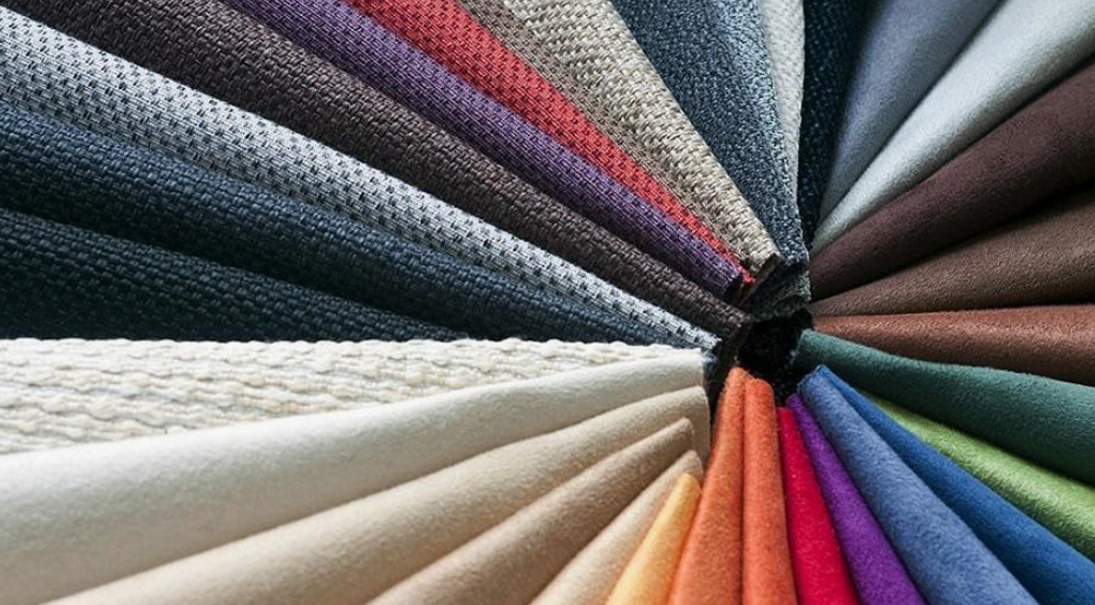
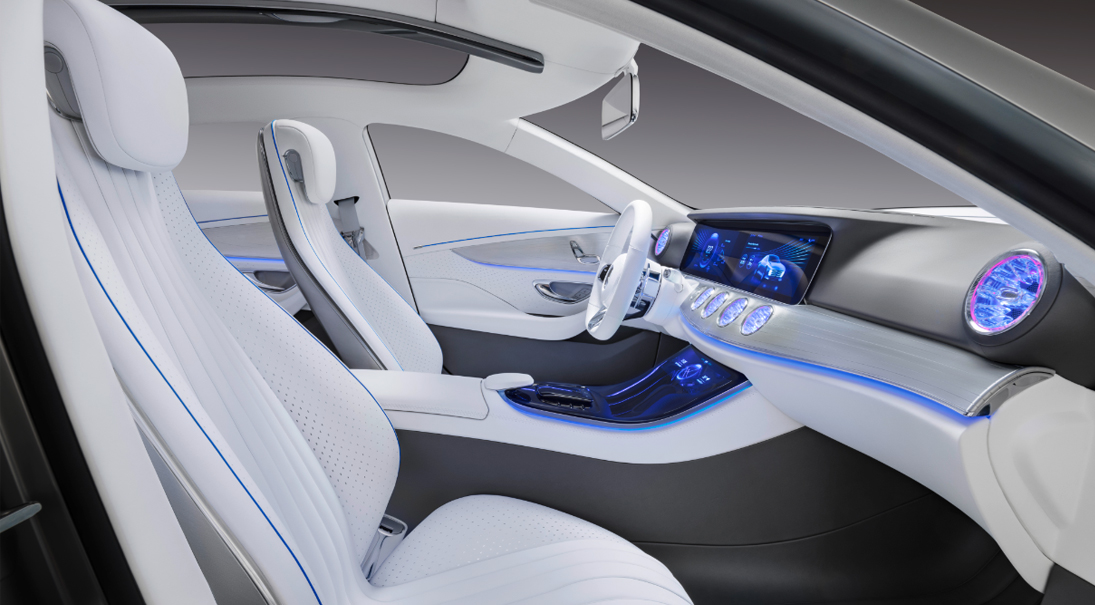
الشبكة الساخنة ذوبان اللصق هي منتج لاصق غير منسوج من الذوبان الساخن يمكن تشغيله بسهولة بشكل مستمر أو بشكل متقطع. تطبيق واسع النطاق تستخدم لربط الأقمشة المختلفة والورق والمواد البوليمر والمواد المعدنية ، مع مظهر يشبه الشبكة مما يشبه منتجات لاصق الذوبان الساخنة غير المنسوجة. يمكن تقسيم شبكة اللصق الساخنة ذوبان الساخنة إلى شبكة ملصقات حارة ، بيس الساخن الشبكة اللصق ، شبكة لاصق إيفا الساخنة ، شبكة لاصق TPU الساخنة ، وما إلى ذلك. مكونات مختلفة من شبكة لاصقة الذوبان الساخنة لها خصائص فيزيائية مختلفة وحقول التطبيق والمواد المعمول بها. مزايا المنتج: 1. بالإضافة إلى ذلك ، يقلل تطبيقه أيضًا من استخدام المواد اللاصقة أو المواد اللاصقة التقليدية ، مما يقلل من التأثير المحتمل على البيئة. 2. إن القوة اللاصقة لفيلم شبكة لاصقة من الذوبان الساخن ممتازة ، ولديها أداء جيد للالتصاق لمختلف المواد ، مما يمكّنها من تلبية الاحتياجات اللاصقة للحقول والمواد المختلفة. عند استخدام شبكة لاصقة من الذوبان الساخنة للربط ، ما عليك سوى تسخينها من خلال الكي أو الضغط على المعدات لذوبان الشبكة اللاصقة الساخنة على المادة. بعد التبريد ، يمكن إكمال الترابط. طريقة التشغيل هذه بسيطة وسريعة ، مما يحسن كفاءة العمل. 4. نظرًا للهيكل الشبكي لشبكة لاصق الساخنة الذائبة ، فإنه يمتلك قابلية للتنفس جيدة ، مما يجعلها مفيدة في سيناريوهات التطبيق التي تتطلب الحفاظ على قابلية التنفس المادية ، مثل الملابس والمواد الأحذية. حقل التطبيق: في صناعة الملابس ، سواء كانت ملابس خارجية أو ملابس داخلية أو معدات رياضية ، تلعب شبكة لاصقة من الذوبان الساخنة دورًا مهمًا. يمكن أن تربط الأقمشة والركائز والزخارف المختلفة بحزم ، مما يضمن جمال الملابس والراحة. على سبيل المثال ، في إنتاج الملابس الداخلية ، تستخدم شبكة لاصق الساخنة ذوبان الساخنة بشكل شائع للتركيب السلس للملابس الداخلية غير الملحومة ، مما يوفر مرتديًا تجربة سلسة ومريحة. في مجال مواد الأحذية ، يعمل فيلم Melt Mesh Desh الساخن جيدًا أيضًا. سواء كانت أحذية رياضية أو أحذية غير رسمية أو أحذية جلدية ، يمكن أن تحقق شبكة لاصقة من الذوبان الساخنة التصاق مثالي بين الجزء العلوي والعلم ، مما يعزز المتانة وراحة الأحذية. بالإضافة إلى ذلك ، في صناعة النسيج المنزلي وصناعة مواد البناء المنزلية ، يلعب فيلم Mele Mesh Hot Melt أيضًا دورًا لا غنى عنه. يمكن أن ترتبط بحزم ديكورات المنزل مثل الستائر وورق الجدران مع ركائز ، وتحسين جماليات ومتانة الديكور المنزلي. مع تطوير التكنولوجيا ، تتوسع حقول التطبيقات من أفلام شبكة اللصق الساخنة الذائبة باستمرار. في صناعة التصنيع الداخلية للسيارات ، يحل مشكلة مصادر التلوث في التصميمات الداخلية للسيارات ؛ في مجال الترابط بين المواد المعدنية ، يكون له تصحيح قوي للمواد المعدنية وهو مناسب لربط المواد المعدنية .
عرض المزيد -
![Nantong Feiang Composite Materials Co. ، Ltd.]()
يعد مسحوق اللصق الساخن ذوبان اللصق عبارة عن مادة لاصقة متعددة الوظائف وفعالة تلعب دورًا مهمًا في صناعات متعددة بسبب أداء الترابط الممتاز ومجموعة واسعة من التطبيقات. يحتوي مسحوق اللصق الساخن ذوبان الذوبان على استخدامات متعددة ، يستخدم بشكل أساسي في الصناعات مثل ورق لاصق فوتوغرافي ، طلاء بالملاحظة ، مستحضرات التجميل ، غراء الشعر ، السوائل الطلاء الكهربائي ، التلميع والتلميع ، ورق الصنفرة ، وصبفية الحرف اليدوية ، والمباريات ، والأثاث الخشبي ، وما إلى ذلك. لن تجربة delamination بسبب انخفاض درجة الحرارة بعد الاستخدام. بالإضافة إلى ذلك ، يستخدم مسحوق لاصق الساخن ذوبان الذوبان أيضًا كمواد لاصقة في طباعة المنسوجات المختلفة والجلد والورق والخشب والمواد الأخرى ، وكذلك في إعداد المواد اللاصقة المختلفة. تتميز المواد اللاصقة المنتجة بخصائص مقاومة الماء ، والثبات الجيد ، وسرعة التجفيف السريع ، ولا تمنع الشبكة بسهولة ، ولا تؤثر على لون الحبر ، وتنتمي إلى فئة المواد الجديدة الصديقة للبيئة. مزايا المنتج: 1. مقاومة درجات الحرارة العالية ودرجات الحرارة المنخفضة: يحتوي مسحوق اللصق الساخن ذوبان الذوبان على خصائص مقاومة عالية درجة الحرارة ودرجات الحرارة المنخفضة ، والتي يمكن أن تحافظ على التصاق مستقر في ظل ظروف درجات الحرارة المختلفة وليس عرضة للتلقيح. 2. المعالجة السريعة: مسحوق لاصقة ذوبان الساخن له سمة من سمات المعالجة السريعة ، والتي يمكن علاجها بعد التبريد ، وتحسين كفاءة الإنتاج بشكل كبير ومساحة معدات الادخار. 3. التصاق القوي: مسحوق لاصق الساخن ذوبان الذوبان له التصاق قوي ويمكن أن يلتزم بفعالية لمواد مختلفة ، مثل المنسوجات والجلد والورق والخشب ، وما إلى ذلك ، ولا يمكن تشويهها أو مطوية بسهولة. 4. حماية البيئة والسلامة: لا يحتوي مسحوق اللصق الساخن ذوبان الذوبان على مذيبات عضوية ، لذلك لا ينبعث من الدخان الضار ، ليس من السهل حرق أو تنفجر ، وله سلامة عالية. وفي الوقت نفسه ، لن يسبب تلوثًا ثانويًا للبيئة ولا يضر بصحة الإنسان. 5. عملية سهلة: عملية الترابط باستخدام مسحوق لاصق الساخنة ذوبان بسيط ، دون مشكلة خلط المكونات ، مع أقل نفايات ، ويمكن تلقائي للمعالجة. 6. يستخدم على نطاق واسع: يمكن تطبيق مسحوق اللصق الساخن ذوبان الذوبان على ركائز مختلفة ، مثل الجلود ، والكتب ، وقطن اللؤلؤ ، وحقائب اليد ، والأكياس البلاستيكية ، والملابس ، وصناديق الورق المقوى ، وما إلى ذلك ، مناسبة للتغليف ، وتكبير الكتب ، وغيرها من الحقول. حقل التطبيق: 1. صناعة التغليف: تستخدم في تغليف وإنتاج صناديق الورق المقوى التلقائي ، وكذلك عبوة المنتجات مثل الطعام والطب والمشروبات والمواد البلاستيكية والمعادن. 2. صناعة الملابس: تستخدم لترابط الياقات القمصان والأصفاد والقمصان غير المكونة وأجزاء أخرى ، وكذلك مناسبة لمركبة القماش الألياف والنسيج غير المنسوج على أسطح السيارات ، بالإضافة إلى مركب بلاستيكي خشبي. 3. المنسوجات الألياف: تستخدم في عملية طباعة ختم الحبر الأبيض الحار ، وأنماط الرابطة مع الملابس ، وكذلك تستخدم في تدفق طباعة نقل ، وعملية انتشار مسحوق الختم الساخن ، إلخ ، إلخ. 4. صناعة البناء: ترابط مواد العزل وربط مواد العزل الصوتي أثناء البناء. 5. النظافة الطبية: يمكن استخدامها لصنع الضمادات الطبية ، والفساتية الجراحية ، والأقنعة ، وغيرها من الإمدادات الطبية. 6. صناعة الإلكترونيات: تستخدم بشكل أساسي لتثبيت المكونات الإلكترونية لتثبيت وتعبئة ، مثل الدوائر المتكاملة ، المكثفات ، المقاومات ، إلخ. 7. يستخدم مسحوق لاصق الساخن ذوبان الساخن أيضًا في مرشحات الكربون المنشط لتنقية الماء ، حيث يلعب دورًا في تثبيت الكربون المنشط والترابط. علاوة على ذلك ، نظرًا لأدائه البيئي الممتاز ، تم أيضًا تطبيق مسحوق اللصق الساخن ذوبان الذوبان في قطعة قماش من الألياف الزجاجية المركب من الألومنيوم ، ومواد عازلة لأنابيب المعدات الباردة والدافئة ، وكذلك في بناء مواد عزل صوتية مثل الصوف الصخري والفخم- الفائق- طبقات الحماية من الصوف الزجاجي الناعم .
عرض المزيد -
![Nantong Feiang Composite Materials Co. ، Ltd.]()
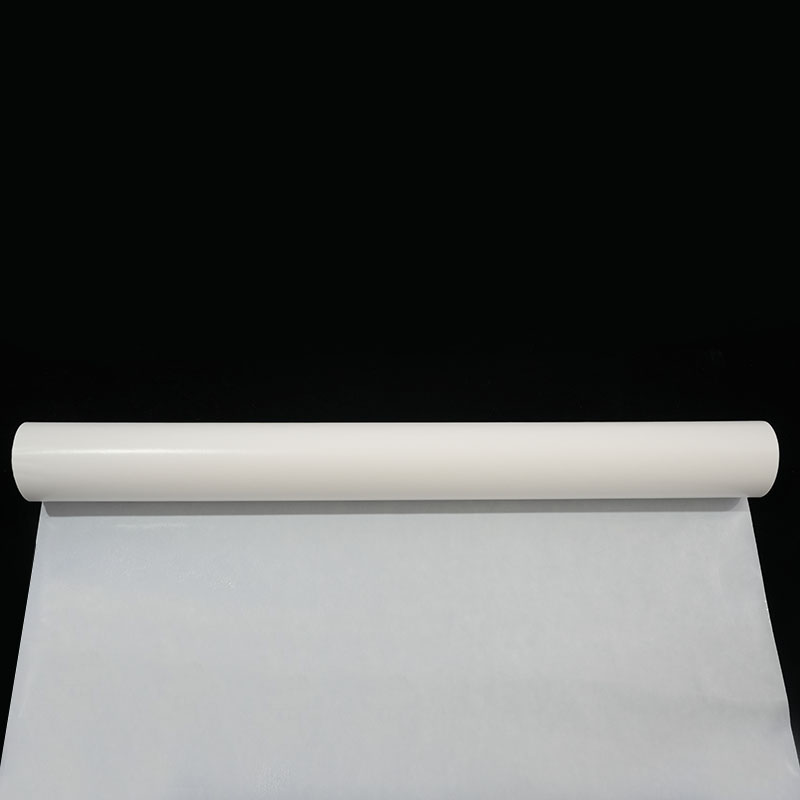
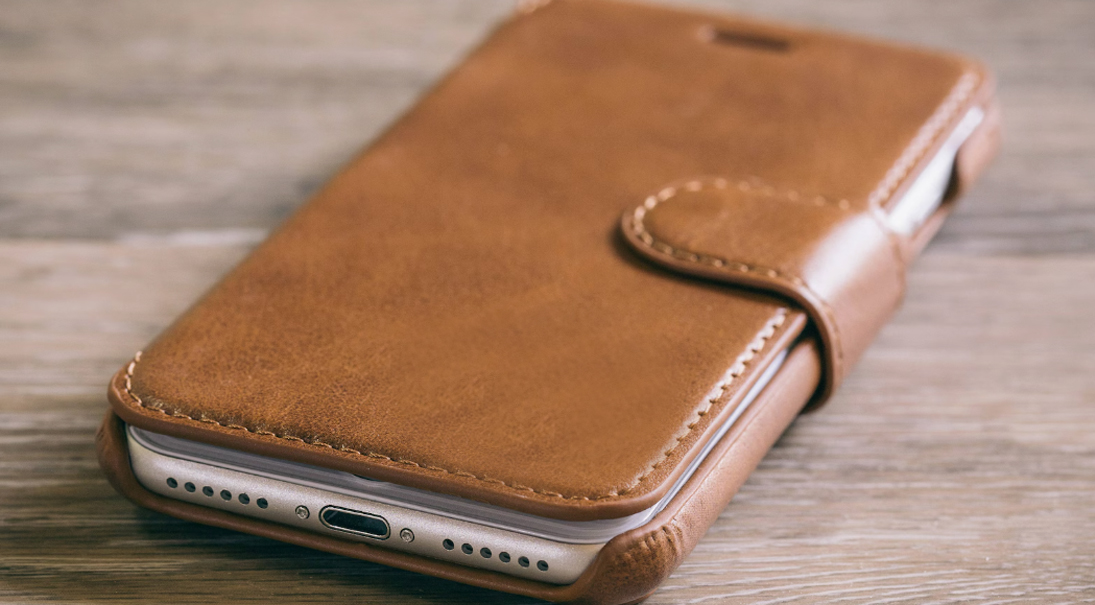
يعد فيلم Hot Melt Reshesive مادة لاصقة صديقة للبيئة لا تحتوي على لاعبة في درجة حرارة الغرفة ولكنها تعاني من الالتصاق على كلا الجانبين في درجات حرارة عالية. يتم تصنيعه عن طريق ذوبان جزيئات اللصق الساخنة الذائبة مع المعدات المهنية ثم استخدام عمليات القشط أو الطلاء أو تفجير. يشبه شكله فيلم رفيع وليس له قابلية للتنفس. يمكن استخدام فيلم اللصق الساخن الذائب على نطاق واسع لربط مختلف الأقمشة والورق ومواد البوليمر والمعادن. على سبيل المثال ، يمكن استخدام PES HOT MELT FAMS (مثل XJS130 و TJS125) لاحتياجات الترابط المحددة ، في حين أن الأفلام اللاصقة لـ EVA Hot Melt (مثل HJV85) و PO Hot Melt لاصقة (مثل XJO115) تطبقها أيضًا معاناة الحقول. مزايا المنتج: 1. سرعة الترابط السريع: بعد التدفئة ، يمكن لفيلم اللصق الساخن ذوبان الذوبان أن يرتبط بسرعة بالمواد دون انتظار عملية علاج طويلة ، مما يؤدي إلى تحسين كفاءة الإنتاج بشكل كبير. 2. سهلة التشغيل: لا يتطلب استخدام فيلم لاصق الساخن ذوبان عمليات معقدة ويمكن ربطه من خلال معدات التدفئة ، وتبسيط عملية التشغيل وتقليل تكاليف الإنتاج. 3. الود البيئي الجيد: تكوين فيلم اللصق الساخن ذوبان الساخن هو مواد للبدن الحراري بشكل أساسي ، والتي يمكن تسخينها وتستخدمها بشكل متكرر ، مما يقلل من النفايات. وفي الوقت نفسه ، لا يتطلب استخدام المذيبات ، لذلك لا ينتج غازات ضارة وصديق للبيئة. 4. أداء ممتاز: يحتوي فيلم The Hot Melt Deshesive على مقاومة جيدة للماء ومقاومة للطقس ، ويمكنه الحفاظ على أداء مستقر في بيئات مختلفة. في الوقت نفسه ، فإنه يتمتع أيضًا بالمرونة الممتازة ، وقابلية التمدد ، ويمكن أن يحافظ على شكله لفترة طويلة ، مما يجعله متينًا. 5. نطاق التطبيق الواسع: يمكن لفيلم اللصق الساخن ذوبان أن يربط المواد المختلفة ، بما في ذلك الجلود ، ومواد الأحذية ، وأقمشة الملابس ، ومواد الأمتعة ، والأغطية الواقية الإلكترونية ، وما إلى ذلك. يحتوي على مجموعة واسعة من التطبيقات ، بما في ذلك السيارات الداخلية ، ومواد الأحذية ، والملابس ، الحرف اليدوية ، الطب ، البناء ، إلخ. 6. اللمعان الجيد والاحتفاظ بالضوء: يحتوي فيلم لاصق الذوبان الساخن أيضًا على لمعان جيد والاحتفاظ بالضوء ، والذي يمكن أن يحسن جودة مظهر المنتج. حقل التطبيق: 1. صناعات السيارات والطائرات والنقل: تستخدم بشكل أساسي لإنتاج ومعالجة رفوف الطرود ، وألواح الأبواب ، والأعمدة ، والمقاعد ، وشرطة الشمس ، ومكونات العزل الصوتي ، وغيرها من الأماكن. لا يمكن أن يحسن فقط الإحساس باللمس ، ومظهره ، ومتانة المنتجات ، ولكنه أيضًا يمنع توليد التجاعيد بشكل فعال ، وبالتالي تحقيق تأثير تقليل الوزن وتقليل تكاليف الإنتاج. 2. الأحذية والملابس والملابس الداخلية: تستخدم في الخارج وبطانة الملابس ، وحلقات الحزام ، والملصقات ، وتطريز كأس حمالة الصدر أو الدانتيل ، وأجزاء أخرى. نظرًا لليونة جيدة ، ولا توجد خياطة ، وغسل مقاوم للماء ، والتنفس ، والراحة ، فإن فيلم اللصق الساخن الذائب يجعل مجموعة متنوعة من الملابس أكثر تنوعًا. 3. صناعة التغليف: تستخدم لربط مواد التغليف المختلفة ، مثل الصناديق الورقية ، والتغليف البلاستيكي ، وما إلى ذلك ، لتحسين الحزم والجماليات في العبوات. 4. صناعة الإلكترونيات: في إنتاج المنتجات الإلكترونية مثل الهواتف المحمولة والأجهزة اللوحية ، يمكن استخدام أفلام اللصق الساخنة الذائبة لإصلاح وحماية المكونات الداخلية ، وضمان استقرار المنتج وسلامته. 5. صناعة المنزل: تستخدم لترابط الأثاث ، والخلفية ، والأرضيات ، وغيرها من المواد لتحسين الجودة العامة وعلم الجمال للمنتجات المنزلية .
عرض المزيد
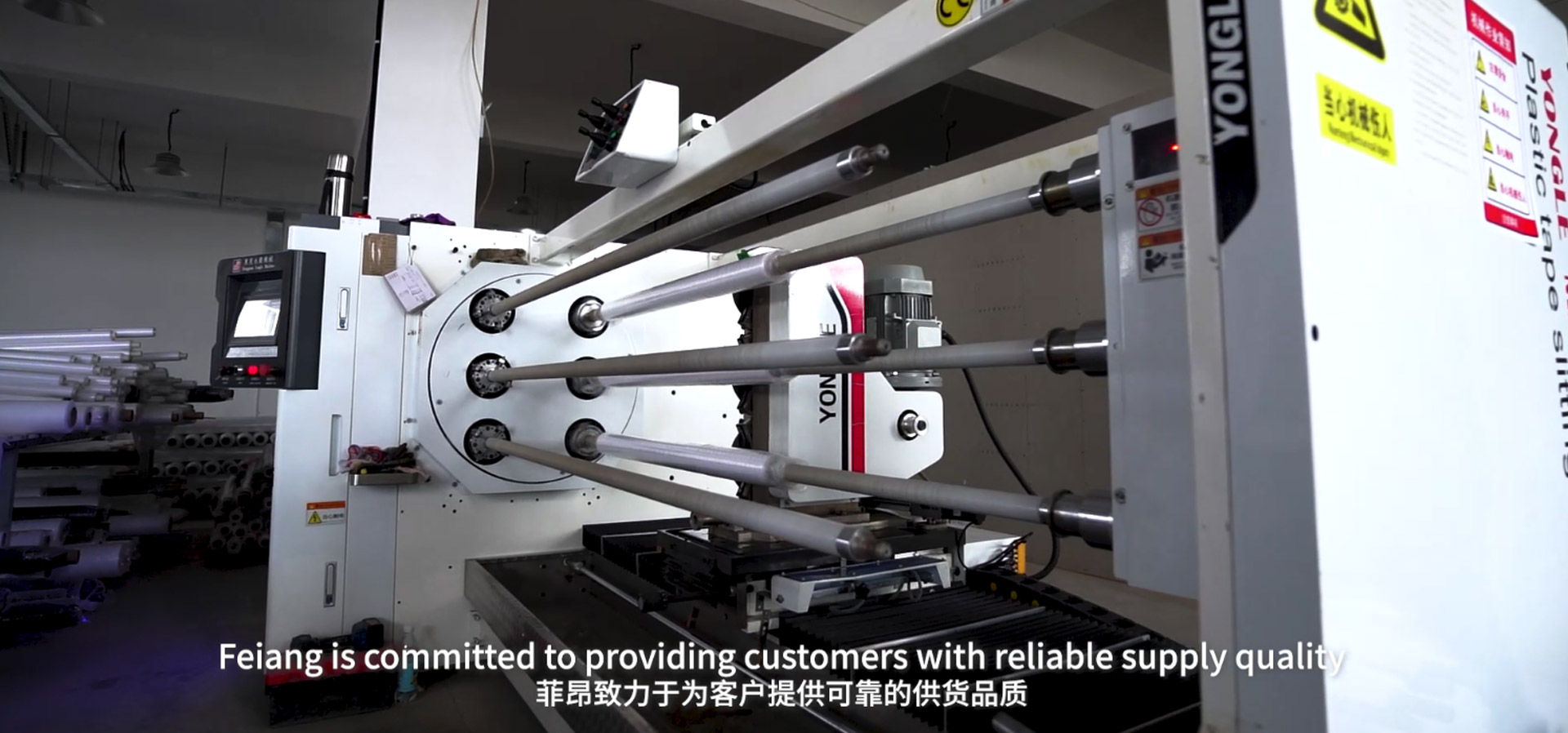
نحن نستخدم معدات الإنتاج المتقدمة وأنظمة مراقبة الجودة الصارمة لضمان أن كل مجموعة من المنتجات تلبي المعايير الدولية ومتطلبات العملاء.


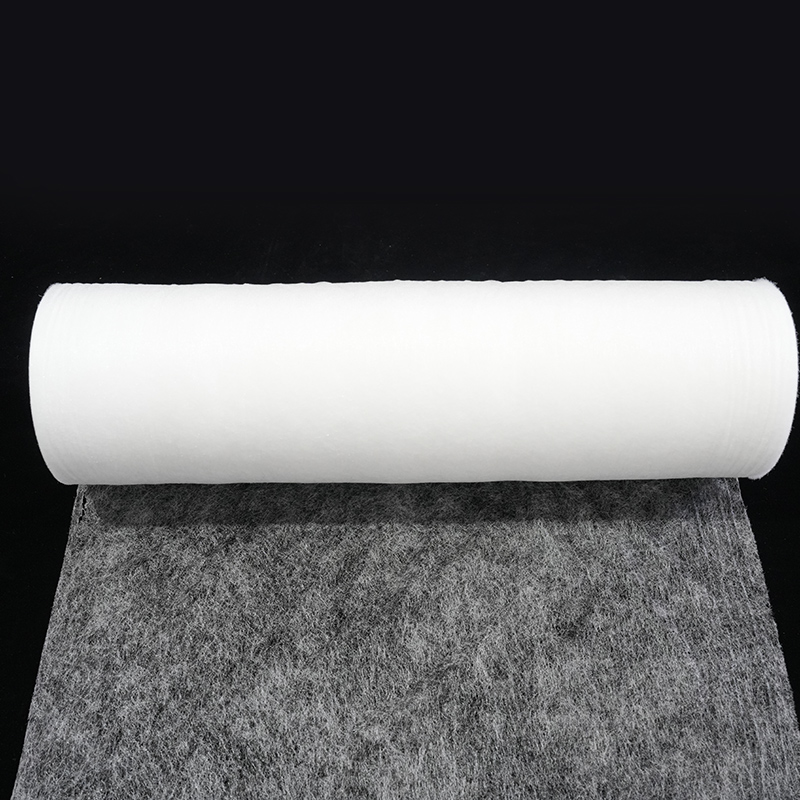
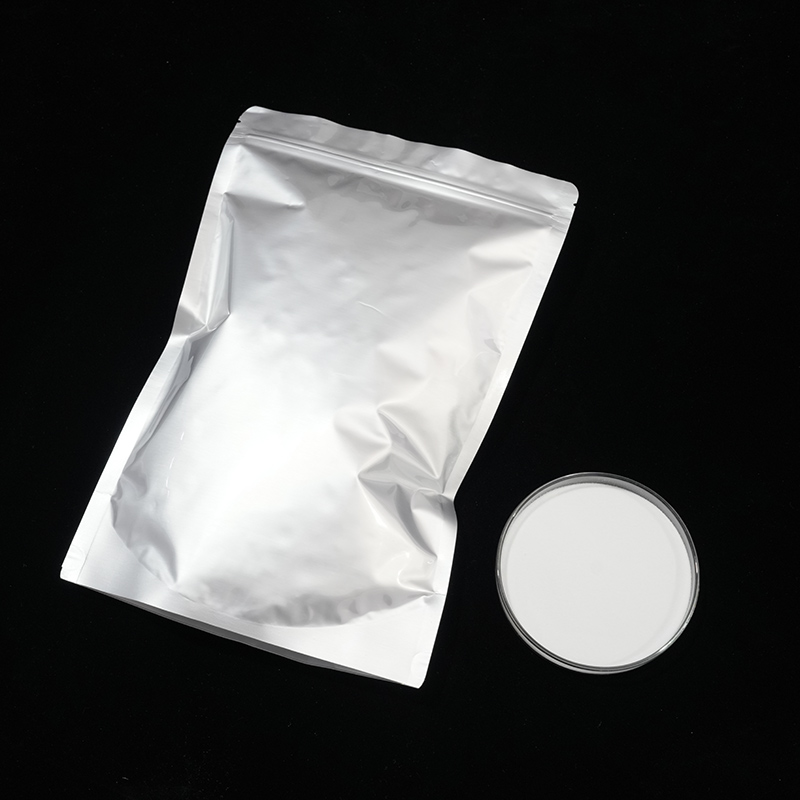
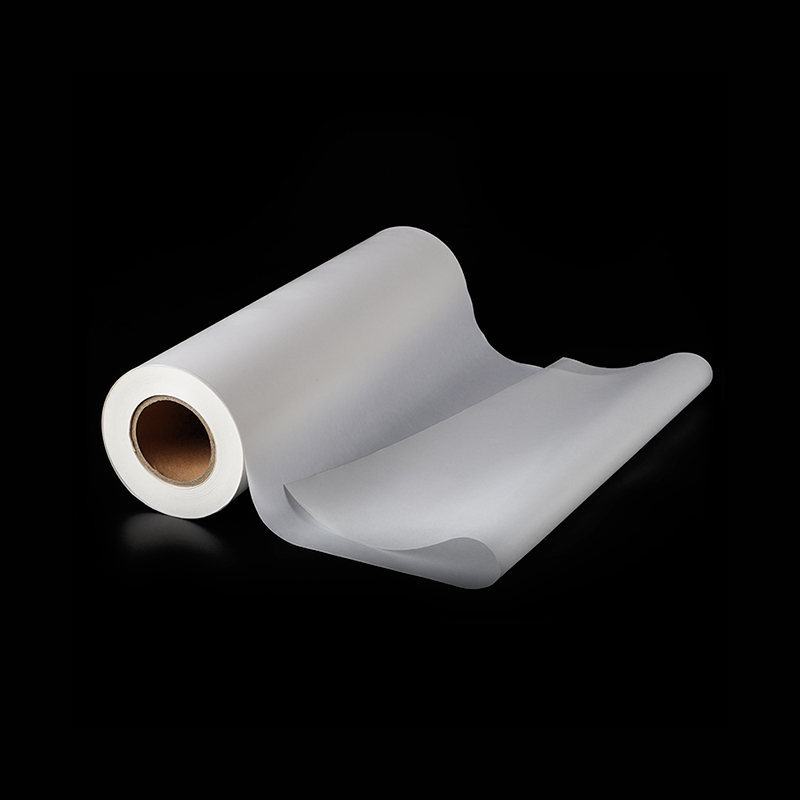

نحن مؤسسة عالية التقنية متخصصة في إنتاج مواد الترابط اللصق الساخنة. الشركة متخصصة في البحث وإنتاج المواد اللاصقة ذوبان الساخن بما في ذلك أفلام EVA و PA و PES و TPU وأفلام الويب وجزيئات المطاط ومسحوق المطاط.
تتبنى الشركة صيغ المنتجات المتقدمة وعمليات الإنتاج ، وتعاون مع أنظمة الإدارة والخدمات اللوجستية الحديثة لتزويد العملاء بمنتجات عالية الجودة وخدمات سريعة.
عرض المزيد-
0+
الوقت المؤسس
-
0㎡
منطقة المصنع
-
0+
الموظفين الحاليين
-
 يكلفيكلف
لدينا المصنع الخاص بنا ، والمبيعات المباشرة للمصنع ، ونوعية جيدة وسعر منخفض.
-
 جودةجودة
لدينا مختبراتنا الخاصة ومعدات الاختبار الأكثر تقدماً في الصناعة لضمان جودة المنتج.
-
 خدمةخدمة
نحن نركز على الأسواق المتميزة والمتميزة ، ومنتجاتنا تلبي المعايير الدولية.
-
 تنوعتنوع
لدينا مجموعة متنوعة من عمليات الإنتاج لتلبية تطوير وإنتاج المنتجات المختلفة.
-
 سعةسعة
لدينا خطوط إنتاج متعددة لتلبية احتياجات عملائنا.
-
إجابة مختصرة: يمكنك ربط مادة البولي بروبيلين (PP) بمادة لاصقة تذوب الساخنة، لكن منتجات إيفا أو PES أو PA ذات الأغراض العامة القياسية عادةً ما تفشل في استخدام مادة PP غير المعالجة. الحل العملي هو استخدام مادة تذوب ساخنة تعتمد على البولي أوليفين، أو إضافة معالجة سطحية مثل الإكليل، أو اللهب، أو البلازما، أو اختيار درجة متوافقة مع PP من البداية. يشرح هذا الدليل سبب اختلاف سلوك PP، وكيفية مقارنة كيمياء المواد اللاصقة، وما هي معلمات العملية المهمة، وكيفية اختبار المادة اللاصقة المرشحة قبل أن تصل إلى مرحلة الإنتاج. لماذا يعد مادة البولي بروبيلين ركيزة صعبة للمواد اللاصقة المذوبة بالحرارة من الصعب ربط مادة البولي بروبيلين لأن طاقة سطحها أقل من عتبة التبلل لمعظم المواد اللاصقة المذوبة بالحرارة. يبلغ قياس PP غير المعالج عادةً حوالي 29 إلى 31 داين/سم، في حين أن العديد من المواد المصهورة الساخنة EVA وPA وPES تحتاج إلى ركيزة أقرب إلى 35 إلى 38 داين/سم لتنتشر وتشكل خط ربط مستمر. PP أيضًا غير قطبي، لذا فهو يوفر عددًا قليلًا من المجموعات القطبية التي يمكن للمادة اللاصقة التفاعل معها. وتتسبب بلورته العالية في إعادة بلورة سريعة عند التبريد، مما يحد من انتشار سلسلة البوليمر عبر الواجهة. يمكن أن تنتقل المواد المضافة مثل عوامل الانزلاق، وعوامل تحرير القالب، ومعدلات التأثير إلى السطح وإنشاء طبقة حدودية ضعيفة. غالبًا ما تكون النتيجة رابطة تبدو مقبولة في البداية ولكنها تفشل بعد التعرض للحرارة أو الرطوبة أو تحميل القشرة. مقارنة الطاقة السطحية والتأثير النموذجي على ترطيب المادة اللاصقة المذوبة بالحرارة. الركيزة تقريبا. الطاقة السطحية (داين / سم ) الترطيب بالذوبان الساخن القياسي EVA أو PA أو PES ملاحظة عملية مادة البولي بروبيلين، غير المعالجة 29-31 فقير يتطلب مادة لاصقة بدرجة PP أو معالجة سطحية البولي إيثيلين، غير المعالج 30-32 فقير سلوك مماثل منخفض الطاقة لـ PP ABS 38-42 جيد الركيزة الرابطة تذوب الساخنة المشتركة الحيوانات الأليفة 41-44 جيد تترابط شبكات PES و PA بشكل جيد المنيوم نظيف 45 ممتاز كثيرا ما تستخدم كموزع للحرارة الخشب أو الورق 40-60 جيد تضيف الأسطح المسامية مفاتيح ميكانيكية ما هي الكيمياء اللاصقة المذوبة بالحرارة التي ترتبط فعليًا بالبولي بروبيلين؟ تعطي المصهورات الساخنة القائمة على البولي أوليفين التصاق PP غير المعالج الأكثر موثوقية؛ يمكن أن يعمل PA وتي بي يو بعد معالجة السطح، في حين أن EVA وPES القياسيين عادةً ما يكونان اختيارين سيئين. يتم تصنيع بولي ألفا أوليفين غير المتبلور، والذي يسمى غالبًا APAO أو APO، بكيمياء تشبه PP ويمكن أن يبلل الأسطح منخفضة الطاقة. تعمل بعض مصهورات البولي يوريثين الساخنة التفاعلية أيضًا بشكل جيد، ولكنها تعالج بالرطوبة وتتصرف بشكل مختلف عن المصهورات الساخنة التقليدية. توفر المصهورات الساخنة PA مقاومة جيدة للحرارة ومرونة، ولكن التصاقها بالـPP غير المعالج عادة ما يكون عادلاً في أحسن الأحوال. توفر المواد المصهورة الساخنة من مادة TPU المرونة وهي مفيدة للشرائح المرنة، خاصة عندما يتم تنشيط سطح PP. تعتبر PES وEVA فعالة من حيث التكلفة على الركائز القطبية مثل PET والقطن والورق، ولكنها ليست الخيار الأول لـPP. يلخص الجدول أدناه كيفية مقارنة الكيمياء الشائعة. مقارنة كيميائية للمادة اللاصقة المذوبة بالحرارة لربط مادة البولي بروبيلين. الكيمياء PP غير المعالج بعد الكورونا أو اللهب أو البلازما ملاحظات APAO أو البولي أوليفين جيد ممتاز مصممة للأسطح منخفضة الطاقة السلطة الفلسطينية، مادة البولي أميد فقير to fair جيد جيد heat resistance; flexible grades vary بيس، البوليستر فقير عادل إلى جيد غالبًا ما يستخدم على PET، وليس PP EVA فقير عادل تكلفة منخفضة، ودرجة حرارة منخفضة TPU فقير to fair جيد مرن، جيد للشرائح المرنة PUR، رد الفعل عادل إلى جيد ممتاز علاج للرطوبة، وليس ذوبان ساخن كلاسيكي شبكة لاصقة تذوب بالحرارة PA كاملة اللفة للربط المقاوم للحرارة شبكة شبكية من مادة البولي أميد البلاستيكية الحرارية على شكل لفة كاملة، توفر التهوية وقابلية الغسل؛ مناسبة لمركبات PP المنشطة التي تحتاج إلى مقاومة الحرارة والمرونة ومعالجة الخطوط الآلية النظيفة. عرض المنتج → في إنتاج مادة PP المركبة، يمكن للشبكة اللاصقة المذوبة بالحرارة PA أن تعمل كطبقة ربط وسيطة عندما يتم تنشيط سطح PP بشكل صحيح ويكون للخط ضغط كافٍ. إنه ليس حلاً سحريًا للـPP غير المعالج، ولكنه يمكن أن يوفر مقاومة للحرارة، والمرونة، والمعالجة النظيفة عندما تتوافق درجة اللاصق وإعداد السطح مع التطبيق. المعالجة السطحية ومعلمات العملية التي تجعل ربط PP موثوقًا غالبًا ما تعمل المعالجة السطحية على تحسين التصاق PP أكثر من التحول من ذوبان ساخن قياسي إلى آخر. علاج كورونا يرفع الطاقة السطحية ويدخل المجموعات القطبية. تعمل معالجة اللهب بشكل جيد على أجزاء PP السميكة ويمكن دمجها في خط النقل. العلاج بالبلازما دقيق ومناسب للأشكال الحساسة للحرارة أو المعقدة. تعتبر البادئات الكيميائية خيارًا آخر، ولكنها تضيف خطوة تجفيف وتتطلب تحكمًا دقيقًا في التغطية. بعد المعالجة، يمكن أن يفقد السطح نشاطه بمرور الوقت، لذلك يجب وضع المادة اللاصقة ضمن النافذة الموصى بها، غالبًا من دقائق إلى ساعات حسب ظروف التخزين. تحقق من الطاقة السطحية باستخدام قلم داين قبل الإنتاج. عادة ما تشير القراءة الأقل من 35 داين/سم إلى أن العلاج غير كافٍ أو أنه قد انتهى. التحكم في درجة حرارة تطبيق المادة اللاصقة ضمن نطاق المورد. انخفاض شديد يسبب ضعف التبول. يمكن أن يؤدي ارتفاعه جدًا إلى تحلل البوليمر وإنشاء دخان أو رائحة. استخدم ما يكفي من الضغط لدفع الذوبان إلى التجاويف الدقيقة السطحية. يتراوح الضغط النموذجي لربط الويب والفيلم من 0.2 إلى 0.6 ميجا باسكال، لكن القيمة الصحيحة تعتمد على صلابة الركيزة وسرعة الخط. مطابقة الوقت المفتوح لسرعة الخط. إذا انتهت الطبقة اللاصقة قبل وصول الركيزة الثانية، ينخفض الالتصاق بشكل حاد حتى لو كانت الكيمياء صحيحة. تبرد تحت الضغط عندما يكون ذلك ممكنا. يقوم PP بتوصيل الحرارة ببطء، لذلك يساعد قسم التبريد المتحكم فيه على منع إجهاد الخط الرابط والقراءة. يعد الاستقرار الحراري أيضًا جزءًا من نافذة العملية. إذا بقيت المادة اللاصقة في خزان الصهر لفترة طويلة، فقد تتغير اللزوجة واللون، وقد تضعف الرابطة. الطريقة العملية لتأهيل هذه المخاطر هي اختبار الثبات الحراري للشبكة اللاصقة المذوبة بالحرارة في البيئات الصناعية قبل الارتقاء. مطابقة نموذج المنتج لخط ربط البولي بروبيلين الخاص بك يعتمد شكل المنتج المناسب لـ PP على هندسة الركيزة وسرعة الخط وما إذا كان خط الربط يحتاج إلى التهوية أو المرونة. يوفر الفيلم المصهور على الساخن مع ورق التحرير سُمكًا دقيقًا ومعالجة نظيفة، وهو ما يناسب الصفائح المسطحة مثل صفائح PP للنسيج أو الرغوة. إن القماش المصهور على الساخن أخف وزنًا وأكثر تنفسًا، مما يجعله مفيدًا للأقمشة غير المنسوجة PP، ووسائط الترشيح، والمواد المركبة الناعمة. يمكن رش مسحوق الذوبان الساخن أو طلاءه بالتنقيط أو خلطه في تركيبة تساعد على الأسطح غير المنتظمة والركائز المسامية. يحتوي كل نموذج على مقايضات في التكلفة، والتحكم في العمليات، وتوحيد السندات. مقارنة نموذج المنتج لتطبيقات ربط مادة البولي بروبيلين. النموذج سيناريو الترابط PP النموذجي المزايا المراقبين فيلم مع ورقة الافراج ورقة PP للنسيج أو الرغوة سمك دقيق، معالجة نظيفة ارتفاع التكلفة، يحتاج إلى ضغط ويب PP غير المنسوجة أو التصفيح الرغوي مسامي، يد ناعمة، وزن منخفض تحمل السُمك، والتحكم في وزن المادة اللاصقة مسحوق مركب PP ذو أسطح غير منتظمة يمكن رشها أو خلطها أو تغطيتها بالنقاط السيطرة على الغبار والتوحيد طبقة لاصقة مرنة تذوب بالحرارة من مادة TPU مع ورق تحرير طبقة شفافة من البولي يوريثين لدن بالحرارة مع ورق تغليف، مما يوفر رابطة مرنة وموحدة للصفائح المسطحة مثل صفائح PP مع مكونات القماش والرغوة والأحذية. عرض المنتج → يعد الفيلم اللاصق المذاب بالحرارة TPU مع ورق التغليف خيارًا عمليًا عندما تحتاج مجموعة PP إلى المرونة وبطانة تحرير نظيفة للوضع الآلي. بالنسبة للتطبيقات التي تتطلب مسحوقًا بدلاً من الطبقة المستمرة، يمكن النظر في مسحوق لاصق مذوب بالحرارة PES بعد التأكد من تنشيط سطح PP وأن درجة المسحوق متوافقة مع درجة الحرارة المطلوبة وهدف الالتصاق. مسحوق لاصق مذوب بالحرارة PES للربط النسيجي والصناعي مسحوق بوليستر أبيض للبولي بروبلين المنشَّط والركائز المسامية، مما يوفر مقاومة للغسيل وثباتًا في درجات الحرارة على نطاق واسع عبر المنسوجات والديكورات الداخلية للسيارات والأحذية والترشيح والتعبئة. عرض المنتج → كيفية اختبار وتأهيل المادة اللاصقة المذوبة بالحرارة على PP يجب أن يبدأ التأهيل بتجربة تجريبية صغيرة لأن أوراق بيانات الموردين نادرًا ما تلتقط درجة PP الدقيقة والمواد المضافة وشروط الخط التي تستخدمها. ابدأ بفحص الطاقة السطحية، ثم قم بإجراء تجربة مصممة تختلف من مستوى المعالجة، ودرجة حرارة المادة اللاصقة، ووقت الفتح، والضغط. الهدف ليس فقط تحقيق رابطة أولية قوية، بل فهم كيفية تصرف الرابطة بعد الحرارة والرطوبة والإجهاد الميكانيكي. يسرد الجدول أدناه الاختبارات العملية لمعظم مشاريع ربط PP. الاختبارات الموصى بها لتأهيل المادة اللاصقة المذوبة بالحرارة على مادة البولي بروبيلين. اختبار ماذا يخبرك تركيز القبول النموذجي قشر T أو قشر 180 درجة التصاق ومرونة بينية قوة التقشير بعد 24 ساعة وبعد الشيخوخة الحرارية قص اللفة القدرة على التحمل من خط الربط القوة في درجة حرارة الغرفة وفي درجة حرارة الخدمة الشيخوخة الحرارية الاستقرار الحراري للمادة اللاصقة والركيزة لا يوجد تصفيح بعد التعرض لدرجة حرارة 70 درجة مئوية أو 85 درجة مئوية الرطوبة أو نقع الماء مقاومة الرطوبة ومخاطر التحلل المائي احتفظ بالقوة بعد 48 إلى 168 ساعة ركوب الدراجات الحرارية الإجهاد من عدم تطابق التوسع لا يوجد تشقق أو رفع للحافة بعد الدورات المتكررة المزالق الشائعة ومخاطر الشراء معظم حالات فشل ربط PP تأتي من الركيزة أو العملية، وليس من المادة اللاصقة وحدها. قد تظهر ورقة البيانات التصاقًا ممتازًا على مادة البولي أوليفين العامة، ولكن قد يحتوي PP الخاص بك على التلك، أو الألياف الزجاجية، أو مثبطات اللهب، أو الملونات التي تغير كيمياء السطح وانتقال الحرارة. في الروابط المركبة الداخلية للسيارات، على سبيل المثال، غالبًا ما يتم إقران ركائز PP مع القماش أو الرغوة، وتشمل المتطلبات رائحة منخفضة، ومقاومة للحرارة، وقوة تقشير ثابتة. تأكد دائمًا من درجة PP والحزمة المضافة الدقيقة قبل تثبيت المادة اللاصقة. اختيار مادة لاصقة عن طريق درجة الحرارة وحدها. نقطة الانصهار لا تتنبأ بالالتصاق بـ PP. تجاهل تسوس المعالجة السطحية. يمكن أن يفقد PP المعالج التنشيط أثناء التخزين أو توقف الخطوط الطويلة. استخدام ضغط قليل جدًا. يحتاج الذوبان الساخن إلى ضغط تلامسي لتبليل سطح منخفض الطاقة. تطل على التسامح سمك. في روابط الأفلام والويب، يغير تباين السُمك انتقال الحرارة وإجهاد خط الارتباط. على افتراض أن دفعة واحدة سوف تتطابق مع الدفعة التالية. اطلب بيانات اللزوجة ونقطة التليين والالتصاق من مجموعة إلى أخرى. نسيان شروط الاستخدام النهائي. قد تفشل الرابطة التي تجتاز اختبار التقشير في درجة حرارة الغرفة في داخل السيارة الساخنة أو في خط تعبئة رطب. عندما يتضمن التطبيق أجزاء داخلية مرئية، قم بمراجعة متطلبات الركيزة والعملية مبكرًا باستخدام الترابط المركب الداخلي للسيارات ضع حالة الاستخدام في الاعتبار، لأن المعالجة السطحية والرائحة ومقاومة الحرارة عادة ما تكون أكثر أهمية من التصفيح العام. الأسئلة المتداولة هل يمكن لمعيار مادة البولي بروبيلين اللاصقة المذوبة بالحرارة EVA القياسية؟ يمكن للمادة اللاصقة المذوبة بالحرارة EVA القياسية أن تربط مادة البولي بروبيلين فقط بعد تنشيط سطح PP، وحتى ذلك الحين تكون الرابطة معتدلة عادةً. يعتبر PP غير المعالج منخفضًا جدًا في الطاقة السطحية بحيث لا يمكن لـ EVA النموذجي أن يبلل بشكل صحيح. إذا كان يجب عليك استخدام EVA، فقم بمعالجة السطح واختبار درجة PP الدقيقة قبل الإنتاج. هل تحتاج دائمًا إلى معالجة سطحية لـ PP؟ لا، لكن ذلك يعتمد على كيمياء المادة اللاصقة. يتم تصنيع المصهورات الساخنة القائمة على البولي أوليفين للالتصاق بالأسطح منخفضة الطاقة وقد تعمل على PP غير المعالج. تحتاج المصهورات الساخنة PA وTPU وPES وEVA بشكل عام إلى معالجة بالإكليل أو اللهب أو البلازما أو التمهيدي للوصول إلى التصاق مقبول. ما هو شكل المنتج الأفضل لربط مادة البولي بروبيلين؟ يعد الفيلم المزود بورق التحرير هو الأفضل للشرائح الدقيقة والمسطحة. يعتبر الويب أفضل للمركبات الناعمة أو القابلة للتنفس. يعمل المسحوق جيدًا على الأسطح غير المنتظمة أو الطلاء المنقط أو الخلط في التركيبة. لا يوجد شكل عالمي أفضل؛ يجب أن يتبع القرار هندسة الركيزة وسرعة الخط والمرونة المطلوبة. كيف يمكنك معرفة ما إذا كانت المادة اللاصقة المذوبة بالحرارة ستصمد على PP؟ قم بإجراء تجربة تجريبية باستخدام ركيزة PP الفعلية وظروف الخط. قم بقياس الطاقة السطحية، وقوة التقشير، وقص اللفة، والشيخوخة الحرارية، ومقاومة الرطوبة. تعتبر ورقة بيانات المورد نقطة بداية وليست مؤهلاً. يجب أن يظل السند مستوفيًا للمتطلبات بعد التعرض لأشد درجات الحرارة والرطوبة المتوقعة أثناء الخدمة. لا تتعلق المادة اللاصقة المذوبة بالحرارة للبولي بروبيلين بالعثور على منتج عالمي واحد بقدر ما تتعلق بمطابقة الكيمياء وإعداد السطح وشكل المنتج ونافذة العملية. إذا لم تتم معالجة PP وكانت المادة اللاصقة من درجة EVA أو PES القياسية، فمن المحتمل أن يفشل. إذا تم تنشيط السطح وكانت كيمياء المادة اللاصقة متوافقة مع الركائز منخفضة الطاقة، فيمكن أن يكون ربط PP قابلاً للتكرار وصديقًا للإنتاج. ابدأ بتجربة صغيرة، وقم بقياس الخصائص الصحيحة، وحافظ على نافذة العملية تحت السيطرة قبل الالتزام بتشغيل واسع النطاق. .article-section table{display: table!important;}.article-section thead{display: table-header-group!important;}.article-section tbody{display: table-row-group!important;}.article-section tr{display: table-row!important;}.article-section th{display: table-cell!important;}.article-section td{display: table-cell!important;}.article-section caption{caption-side:bottom;font-size:16px;margin-bottom:12px;font-style:italic;color:#808080;}.article-section th{font-weight:bold;border:1px solid #cccccc;padding:8px;}.article-section td{border:1px solid #cccccc;padding:8px;}.article-section ol{margin-bottom:12px;list-style-type:decimal;list-style-position:inside;padding-left:0;}.article-section ul{margin-bottom:12px;list-style-type:disc;list-style-position:inside;}.article-section li{list-style:inherit;font-size:16px;margin-bottom:6px;}.article-section h2{font-size:1.55em;font-weight:bold;text-align:left;margin-top:40px;margin-bottom:10px!important;border-left:5px solid #0077cc;padding-left:14px;color:#0a2a4a;}.article-section h3{font-size:1.2em;font-weight:bold;text-align:left;margin-top:28px;margin-bottom:8px;color:#0a2a4a;}.article-section p{font-size:16px!important;margin-bottom:12px;}article{font-family: Georgia, 'Times New Roman', serif; font-size: 17px; line-height: 1.85; color: #1f242b; padding: 0 20px;} .product-card{display:block;margin:20px 0;border:1px solid #e5e7eb;border-radius:10px;overflow:hidden;font-style:normal;background:#fff;box-shadow:0 0 5px rgba(31,41,55,.08)}.pc-inner{display:flex;text-decoration:none;color:inherit;align-items:center;min-height:148px}.product-card .pc-img{width:auto!important;min-width:0!important;max-width:min(36%,240px)!important;height:auto!important;min-height:0!important;max-height:148px!important;aspect-ratio:auto!important;object-fit:contain!important;flex:0 0 auto;display:block;align-self:center}.pc-body{padding:12px 16px;flex:1;min-width:0;display:flex;flex-direction:column;align-self:stretch;justify-content:center}.pc-title{display:block;font-size:15px;font-weight:600;color:#111;margin:0 0 6px;line-height:1.4}.pc-desc{display:-webkit-box;font-size:13px;color:#6b7280;margin:0 0 8px;line-height:1.5;overflow:hidden;-webkit-line-clamp:2;line-clamp:2;-webkit-box-orient:vertical}.pc-cta{display:block;font-size:13px;font-weight:600;color:inherit;margin-top:auto}.pc-inner:hover .pc-title{text-decoration:underline} .article-section a:not(.pc-inner),article a:not(.pc-inner){color:inherit}.pc-cta{color:inherit!important}
Oct 19,2026 أخبار الصناعةعرض أكثر -
بالنسبة لخطوط التجليد الأكثر مثالية، فإن الإجابة بسيطة: استخدم مادة لاصقة تذوب ساخنة تعتمد على مادة EVA للعمود الفقري، وقم بالتبديل إلى PUR فقط عندما تحتاج إلى مرونة إضافية للأوراق المطلية أو كتل الكتب الثقيلة. مادة EVA اللاصقة المذوبة بالحرارة عبارة عن بوليمر لدن بالحرارة خالٍ من المذيبات ويذوب في خزان ساخن، ويتم تطبيقه على العمود الفقري للكتاب، ويبرد في غضون ثوانٍ لتكوين رابطة قوية ومرنة. إذا كنت تختار لاصق تجليد الكتب اليوم، فركز على ثلاثة متغيرات أولاً: نوع الورق، وسرعة خط التجليد، ووقت الفتح المطلوب. كل شيء آخر - اللزوجة، ونقطة التليين، والاستقرار الحراري - يتبع من تلك الثلاثة. ما هو اللاصق المذاب بالحرارة لتجليد الكتب؟ المادة اللاصقة المذوبة بالحرارة المستخدمة في تجليد الكتب هي عبارة عن مادة لاصقة لدنة بالحرارة صلبة بنسبة 100% يتم تطبيقها مصهورة وتتجمد عن طريق التبريد، وليس عن طريق التجفيف أو المعالجة الكيميائية. في تجليد الكتب، يتم استخدام هذا اللاصق بشكل أساسي للتجليد المثالي، حيث يتم تثبيت كتلة الكتاب المشذبة وتغليف العمود الفقري ببوليمر منصهر يخترق حواف الورق ويثبت التوقيعات معًا. الكيمياء الأكثر شيوعًا هي EVA (أسيتات فينيل الإيثيلين)، تليها PUR (تفاعل البولي يوريثين) للركائز المتميزة أو الصعبة. PVA (أسيتات البولي فينيل) عبارة عن مستحلب مائي يستخدم في بعض الأعمال اليدوية والتجليد قصير المدى، ولكنه ليس منصهرًا ساخنًا ويتصرف بشكل مختلف تمامًا على خط الإنتاج. يجب أن تقوم المادة اللاصقة المذوبة بالحرارة المستخدمة في تجليد الكتب بأكثر من مجرد لصق الصفحات معًا. ويجب أن تظل مرنة بعد التبريد، ومقاومة للتشقق البارد، وتتحمل الفتح والإغلاق المتكرر، وتصمد تحت تغيرات درجات الحرارة أثناء الشحن والتخزين. وهذا هو السبب في أن نفس المادة اللاصقة التي تعمل مع غلاف ورقي رقيق قد تفشل في كتالوج سميك أو كتاب فني لامع. لماذا لا يزال اللاصق المذاب بالحرارة EVA رائدًا في التجليد المثالي يهيمن اللاصق المذوب بالحرارة EVA على التجليد المثالي لأنه يوفر أفضل توازن بين التكلفة والسرعة والمرونة للأوراق القياسية غير المطلية والمطلية بخفة. يذوب EVA بسرعة، ويتم تطبيقه في درجات حرارة منخفضة نسبيًا، ويتم ضبطه بالمللي ثانية، مما يحافظ على إنتاجية خطوط الربط عالية السرعة. كما أنه يقبل نطاقًا واسعًا من أدوات التصحيح والشموع، بحيث يمكن للمركبين ضبط وقت الفتح واللزوجة والالتصاق دون تغيير البوليمر الأساسي. بالنسبة للكتب المطبوعة على ورق الأوفست أو ورق الخشب المطحون، عادةً ما توفر مادة EVA قوة ربط أكثر من كافية. يظهر القيد الرئيسي عندما يكون العمود الفقري مصنوعًا من ورق مطلي بشدة أو لامع أو صناعي. قد يكون من الصعب اختراق هذه الأسطح، وقد لا تبللها مادة EVA بشكل جيد بما يكفي لتشكيل قفل ميكانيكي موثوق. في تلك الحالات، يعد البولي يوريثان (PUR) هو الخيار الأكثر أمانًا لأنه يعالج بالرطوبة ويشكل رابطة كيميائية أقوى. شبكة لاصقة تذوب بالحرارة بدرجة حرارة منخفضة من مادة EVA شبكة EVA مفتوحة الشبكة مع تنشيط بدرجة حرارة 70-110 درجة مئوية للركائز الحساسة للحرارة، وهي مفيدة لبطانة العمود الفقري للكتاب والتعزيز حيث قد يؤدي لصق العمود الفقري القياسي إلى تشويه الكتل النصية. عرض المنتج → تستفيد كتل الكتب الحساسة لدرجة الحرارة أيضًا من خيار EVA ذو درجة الحرارة المنخفضة. عندما لا يتحمل الورق أو غلاف الغلاف درجات حرارة غراء العمود الفقري القياسية، يمكن لشبكة لاصقة تذوب بالحرارة منخفضة الحرارة من مادة EVA أن تربط بطانة العمود الفقري والتعزيز دون تشويه كتلة النص أو تقرحات الغطاء. EVA vs PUR vs PVA: مقارنة بين تجليد الكتب يعتبر EVA هو العمود الفقري للتجليد المثالي بكميات كبيرة، وPUR هو خيار الأداء للأوراق المطلية والكتب الثقيلة، وPVA هو خيار أبطأ يعتمد على الماء للأعمال الحرفية أو الأعمال الصغيرة. يلخص الجدول أدناه الاختلافات العملية التي تهم خط الربط. مقارنة المواد اللاصقة الشائعة لتجليد الكتب من حيث الكيمياء والقوة وملاءمة الإنتاج. الملكية إيفا تذوب الساخنة PUR تذوب الساخنة مستحلب PVA طريقة التطبيق خزان الذوبان الساخن أو الفوهة تذوب الساخنة مع علاج الرطوبة بكرة الغراء البارد أو الفرشاة ضبط السرعة ثواني ثواني to minutes, then cures over hours دقائق إلى ساعات مرونة السندات جيد للأوراق القياسية ممتاز، حتى في درجات الحرارة المنخفضة مرنة ولكن أبطأ أفضل نوع ورق غير مطلي، أوفست، خشب أرضي كتل مغلفة، لامعة، صناعية، ثقيلة حرفة، قصيرة المدى، أرشيفية مقاومة الحرارة معتدل عالية بعد العلاج الكامل منخفض سرعة الإنتاج عالية جدا عالية منخفض التكلفة النسبية منخفض عالية متوسط إذا كان خطك يعمل بمعدل 6000 إلى 12000 كتاب في الساعة وكان الورق قياسيًا، فإن EVA هو الخيار الصحيح دائمًا تقريبًا. إذا كانت كتلة الكتاب أكثر سمكًا من 25 مم، أو تستخدم مخزونًا مطليًا، أو يجب أن تكون مسطحة بعد الفتح المتكرر، فإن PUR يبرر ارتفاع تكلفتها. من الأفضل الاحتفاظ بـ PVA للترميم أو الربط اليدوي أو العمليات الصغيرة جدًا حيث لا تكون السرعة حرجة. المواصفات الرئيسية التي يجب التحقق منها قبل الشراء قبل الموافقة على المادة اللاصقة المذوبة بالحرارة لتجليد الكتب، تحقق من خمس مواصفات: اللزوجة، ونقطة التليين، ووقت الفتح، والالتصاق بالورق المختار، والثبات الحراري. تحدد اللزوجة مدى اختراق المادة اللاصقة للعمود الفقري وكيف تتصرف في أداة التطبيق. تتحكم نقطة التليين في الحد الأدنى لدرجة حرارة التطبيق ودرجة حرارة الخدمة العليا. الوقت المفتوح هو الفترة الفاصلة بين التطبيق والتثبيت، فهو قصير جدًا ويفشل الربط، وطويل جدًا ويتباطأ الخط. يجب اختبار الالتصاق على كتلة الكتاب الفعلية، وليس فقط على الركيزة المختبرية. يضمن الثبات الحراري عدم تفحم المادة اللاصقة أو تكوّن هلام في الخزان أثناء نوبة عمل طويلة. اللزوجة: عادة 1000-4000 مللي باسكال · ثانية عند درجة حرارة التطبيق للحصول على ربط مثالي. نقطة التليين: غالبًا 80-105 درجة مئوية لـ EVA؛ أعلى بالنسبة لPUR والمناخات الحارة. وقت الفتح: عادةً من 3 إلى 10 ثوانٍ للخطوط عالية السرعة، وأطول للمعدات اليدوية أو الأبطأ. الالتصاق: اختبار باستخدام اختبار سحب الصفحة أو سحب العمود الفقري بعد 24 ساعة من التكييف. الاستقرار الحراري: تحقق من التفحم بعد 48-72 ساعة عند درجة حرارة التطبيق. اطلب من المورد الخاص بك الحصول على ورقة بيانات فنية وعينة للتجربة. يمكن أن يؤدي تغيير بسيط في الشمع أو أداة اللصق إلى تغيير وقت الفتح لعدة ثوانٍ، وهو ما يكفي لإحداث أشواك ضعيفة أو ضغط لاصق على الغطاء. كيفية مطابقة المادة اللاصقة مع سرعة خط التجليد ونوع الورق قم بمطابقة المادة اللاصقة مع القاسم المشترك الأبطأ: الورق. تحتاج الأوراق المطلية إلى مادة لاصقة ذات قطبية أعلى وترطيب أفضل، وهو ما يعني عادةً PUR أو EVA المُصمم خصيصًا. تحتاج الخطوط عالية السرعة إلى وقت فتح أقصر ولزوجة أقل بحيث يمكن تطبيق المادة اللاصقة بشكل رقيق وسريع. يمكن أن تستخدم الخطوط البطيئة وقتًا أطول للفتح ولزوجة أعلى دون فقدان الإنتاجية. بالنسبة للكتب التي تحتوي على ختم رقائق معدنية أو أغلفة خاصة، يجب أيضًا مراعاة اختيار المواد اللاصقة تطبيقات الطباعة والختم الساخن ، لأن الحرارة والضغط أثناء الختم يمكن أن يعيد تليين المادة اللاصقة ذات نقطة التليين المنخفضة ويتسبب في تحرك العمود الفقري. في تلك الحالات، اختر مادة لاصقة ذات نقطة تليين أعلى أو قم بتقليل درجة حرارة الختم. شبكة لاصقة تذوب بالحرارة PA مخصصة شبكة مفتوحة من مادة البولي أميد مع تنشيط عند درجة حرارة 110-160 درجة مئوية، وقوة تقشير وقص عالية، ومناسبة لتقوية العمود الفقري ذات الغلاف الصلب وتطبيقات نقاط التليين الأعلى. عرض المنتج → بالنسبة للكتب ذات الغلاف الصلب، غالبًا ما تحتاج بطانة العمود الفقري ومواد التصادم إلى خطوة ربط منفصلة. توفر الشبكة اللاصقة المذوبة بالحرارة PA مرونة ومتانة عالية، مما يجعلها مناسبة لتعزيز العمود الفقري للكتب ذات الغلاف بدون إضافة صلابة مفرطة. على عكس المواد اللاصقة السائلة، يمكن وضع الشبكة مسبقًا وتنشيطها بالحرارة، مما يقلل من الرش الزائد ويحافظ على نظافة منطقة الربط. عيوب تجليد الكتب الشائعة وإصلاحات المواد اللاصقة تعود معظم عيوب تجليد الكتب إلى اختيار المادة اللاصقة، أو درجة حرارة التطبيق، أو ضغط التثبيت، وليس إلى المادة الرابطة نفسها. يعد ضعف العمود الفقري والتشقق البارد وسحب الصفحات من الشكاوى الثلاثة الأكثر شيوعًا، ولكل منها إصلاح محدد متعلق باللاصق. رابط العمود الفقري الضعيف: قم بزيادة درجة حرارة التطبيق قليلاً، وتحقق من وقت الفتح، وتأكد من أن المادة اللاصقة تخترق حواف الورق بدلاً من وضعها في الأعلى. التكسير البارد: قم بالتبديل إلى مادة EVA أو PUR أكثر مرونة، خاصة بالنسبة للكتب المخزنة أو المشحونة في المناخات الباردة. سحب الصفحة: اختبار الالتصاق على الورق الفعلي؛ قد تحتاج المخزونات المطلية إلى مادة أولية أو مادة لاصقة PUR. ضغط اللاصق: تقليل وزن الطلاء، أو رفع اللزوجة، أو ضبط ضغط التثبيت. تحول العمود الفقري أثناء التشذيب: زيادة نقطة التليين أو تقليل درجة حرارة العمليات النهائية مثل ختم الرقائق. احتفظ بسجل لدفعة المواد اللاصقة ودرجة حرارة الخزان وسرعة الخط ومورد الورق. عندما يظهر عيب، يكشف السجل عادة ما إذا كانت المادة اللاصقة أو العملية قد انجرفت. الأسئلة المتداولة هل المادة اللاصقة المذوبة بالحرارة قوية بما يكفي للربط المثالي؟ نعم. يعتبر اللاصق المذوب بالحرارة EVA قويًا بما يكفي لمعظم الكتب ذات الربط المثالي عندما يتم مطابقته للورق وتطبيقه في درجة الحرارة الصحيحة. بالنسبة لكتل الكتب الثقيلة أو المطلية، يوفر PUR رابطة أقوى وأكثر مرونة. هل يمكنني استخدام نفس المادة اللاصقة المذوبة بالحرارة للكتب الورقية والأغلفة الصلبة؟ ليس دائما. تستخدم الكتب ذات الغلاف الورقي عادةً مادة EVA للعمود الفقري. قد تحتاج الكتب ذات الأغلفة الصلبة إلى مادة لاصقة أكثر مرونة لبطانة العمود الفقري والاصطدام، وغالبًا ما يتم لصق الغلاف نفسه بتركيبة مختلفة. تحقق من مرونة المادة اللاصقة ومقاومتها للحرارة قبل التبديل. كيف يمكنني اختبار المادة اللاصقة المذوبة بالحرارة الجديدة قبل الإنتاج؟ قم بإجراء نسخة تجريبية تحتوي على 50 مجموعة كتب على الأقل. قم بتهيئتها لمدة 24 ساعة، ثم قم بإجراء اختبار سحب الصفحة واختبار سحب العمود الفقري. قم أيضًا بفحص الكتاب في غرفة باردة وفي درجة حرارة مرتفعة إذا كان سيتم شحن الكتاب دوليًا. ما الذي يجعل المادة اللاصقة المذوبة بالحرارة تفقد قوة الرابطة مع مرور الوقت؟ الأكسدة والرطوبة ودورات الحرارة المتكررة. يمكن أن تتفحم المادة اللاصقة ذات الثبات الحراري الضعيف في الخزان، مما يقلل من الالتصاق. قم بتخزين المادة اللاصقة في منطقة جافة وتجنب الاحتفاظ بها في درجة حرارة التطبيق لأكثر من 72 ساعة. إن اختيار المادة اللاصقة المذوبة بالحرارة المناسبة لتجليد الكتب يرجع إلى مطابقة الكيمياء للورق، وخط التجليد، وعمر خدمة الكتاب. يظل EVA هو الخيار الأكثر عملية للتجليد القياسي المثالي، في حين يحصل PUR على تكلفته على الأوراق المطلية والكتل الثقيلة. اختبر كتلة الكتاب الفعلية، وتحكم في وقت الفتح ودرجة حرارة التطبيق، واحتفظ بسجل العملية. يمنع هذا النهج معظم عيوب العمود الفقري قبل أن تصل إلى القارئ. .article-section table{display: table!important;}.article-section thead{display: table-header-group!important;}.article-section tbody{display: table-row-group!important;}.article-section tr{display: table-row!important;}.article-section th{display: table-cell!important; font-weight:bold; border:1px solid #cccccc; padding:8px;}.article-section td{display: table-cell!important; border:1px solid #cccccc; padding:8px;}.article-section caption{caption-side:bottom; font-size:16px; margin-bottom:12px; font-style:italic; color:#808080;}.article-section ol{margin-bottom:12px; list-style-type:decimal; list-style-position:inside; padding-left:0;}.article-section ul{margin-bottom:12px; list-style-type:disc; list-style-position:inside;}.article-section li{list-style:inherit; font-size:16px; margin-bottom:6px;}.article-section h2{font-size:1.55em; font-weight:bold; margin-top:40px; margin-bottom:10px; border-left:5px solid #0077cc; padding-left:14px; color:#0a2a4a; text-align:left;}.article-section h3{font-size:1.2em; font-weight:bold; margin-top:28px; margin-bottom:8px; color:#0a2a4a; text-align:left;}.article-section p{font-size:16px!important; margin-bottom:12px;} .product-card{display:block;margin:20px 0;border:1px solid #e5e7eb;border-radius:10px;overflow:hidden;font-style:normal;background:#fff;box-shadow:0 0 5px rgba(31,41,55,.08)}.pc-inner{display:flex;text-decoration:none;color:inherit;align-items:center;min-height:148px}.product-card .pc-img{width:auto!important;min-width:0!important;max-width:min(36%,240px)!important;height:auto!important;min-height:0!important;max-height:148px!important;aspect-ratio:auto!important;object-fit:contain!important;flex:0 0 auto;display:block;align-self:center}.pc-body{padding:12px 16px;flex:1;min-width:0;display:flex;flex-direction:column;align-self:stretch;justify-content:center}.pc-title{display:block;font-size:15px;font-weight:600;color:#111;margin:0 0 6px;line-height:1.4}.pc-desc{display:-webkit-box;font-size:13px;color:#6b7280;margin:0 0 8px;line-height:1.5;overflow:hidden;-webkit-line-clamp:2;line-clamp:2;-webkit-box-orient:vertical}.pc-cta{display:block;font-size:13px;font-weight:600;color:inherit;margin-top:auto}.pc-inner:hover .pc-title{text-decoration:underline} .article-section a:not(.pc-inner),article a:not(.pc-inner){color:inherit}.pc-cta{color:inherit!important}
Oct 12,2026 أخبار الصناعةعرض أكثر -
قام أحد مصانع الأحذية بنقل ماكينة تغليف غطاء أصابع القدم من شبكة إيفا إلى شبكة من البولياميد المشترك، وفقد جزءًا من سرعة الخط في نفس اليوم. كان الرابط أقوى، ولم تكن الآلة كذلك. لم يتغير شيء في المادة سوى كيميائها، والكيمياء تحدد نافذة المعالجة قبل وقت طويل من ضبط القوة. كيمياء المادة اللاصقة المذوبة بالحرارة هي دراسة كيفية مزج بوليمر لدن بالحرارة مع الراتنجات والشموع والمثبتات بحيث يذوب المزيج ويبلل السطح ويثبت في رابطة حاملة أثناء تبريده. لا يوجد مذيب ليتبخر ولا يوجد تفاعل تشابكي يمكن انتظاره. تقوم درجة الحرارة بكل العمل، وهذا هو السبب في أن المادة المنصهرة الساخنة يمكن أن تترابط في أقل من ثانية وتذوب مرة أخرى بعد سنوات. إن المردود العملي ضيق ومحدد: قطبية البوليمر، ولزوجة الذوبان، وسرعة التبلور، والثبات الحراري تفسر تقريبًا كل رابطة ضعيفة، وخط بطيء، وفشل حرارة الصيف الذي من المحتمل أن تواجهه. ما الذي تتحكم فيه كيمياء المادة اللاصقة المذوبة بالحرارة فعليًا؟ تحدد الكيمياء أربع خصائص في وقت واحد، وتتعارض مع بعضها البعض. الترطيب والالتصاق. يجب أن ينتشر الذوبان فوق الركيزة ويملأ خشونتها الدقيقة خلال جزء من الثانية المتاحة على خط التشغيل. يؤدي التبليل السيئ إلى ترك رابطة تبدو كاملة وتفشل عند الحمل المنخفض. قوة متماسكة. بمجرد ترسيخ المادة اللاصقة، يجب أن تقاوم التقشير والقص دون أن تتمزق داخليًا. مقاومة الحرارة. يجب أن تحافظ الرابطة على شكلها بالقرب من درجة حرارة الخدمة دون أن تزحف تحت الحمل الثابت. فتح الوقت وضبط السرعة. الوقت المفتوح هو النافذة بين التطبيق وفقدان المسار؛ تحدد السرعة المحددة مدى سرعة التعامل مع المفصل. ادفع أيًا من هذه الحركات وأخرى. عادةً ما يحتاج البوليمر الأكثر صلابة والأكثر مقاومة للحرارة إلى وعاء أكثر سخونة وخطًا أسرع. عادةً ما يعني الوقت المفتوح الأطول رابطة نهائية أكثر ليونة. هذه المقايضة هي المشكلة الهندسية برمتها. الأجزاء الأربعة لصيغة الذوبان الساخن المادة اللاصقة المذوبة بالحرارة عبارة عن مزيج، وليس بوليمر واحد. أربعة مكونات تقوم بأربع وظائف مختلفة. يتراوح التركيب النموذجي للمادة اللاصقة المذوبة بالحرارة للأغراض العامة وما يساهم به كل مكون. مكون حصة نموذجية وظيفة ماذا يتغير إذا قمت بتغييره البوليمر الأساسي (EVA، السلطة الفلسطينية، PES، تي بي يو، PO) 40-60% يوفر التماسك ونقطة الانصهار وقطبية الرابطة يحدد عائلة الأداء بأكملها؛ التغييرات الصغيرة تحرك المقاومة للحرارة والمرونة معالجة الراتنج 20-40% يحسن الترطيب واللصق الساخن، ويقلل اللزوجة عند نفس درجة الحرارة المزيد من الراتينج يعني إمساكًا أفضل ولكن وقت فتح أقصر ونقطة تليين أقل الشمع 10-25% يقطع اللزوجة ويتحكم في السرعة ويمنع الالتصاق بعد التبريد المزيد من الشمع يعني ضبطًا أسرع ومواد أرخص، ولكن قوة أضعف في درجات الحرارة العالية مثبت ومضاد للأكسدة 0.1-1% يبطئ أكسدة الذوبان في الوعاء وفي الفوهة القليل جدًا يعني أن الفحم والرائحة واللزوجة تنجرف خلال فترة طويلة قم بتغيير صف واحد وسيتحرك معه اثنان على الأقل من روافع الأداء الأربعة المذكورة أعلاه. ولهذا السبب لا يمكن الحكم على الصيغة من ورقة البيانات الخاصة بها وحدها. EVA وPA وPES وTPU: كيف تختلف عائلات البوليمر يقرر البوليمر الأساسي العائلة، وتقرر العائلة كل شيء آخر تقريبًا، بما في ذلك نافذة المعالجة ونطاق السعر. مقارنة بين عائلات البوليمر الرئيسية اللاصقة المذوبة بالحرارة المستخدمة في التصفيح والربط الصناعي. العائلة أساس الكيمياء نطاق الذوبان والتطبيق النموذجي الأقوى في احترس من EVA كوبوليمر أسيتات فينيل الإيثيلين؛ محتوى خلات الفينيل يحدد القطبية ينعم عند درجة حرارة 60-90 درجة مئوية، ويطبق عند درجة حرارة 120-180 درجة مئوية الورق والكرتون والأفلام والتغليف العام بتكلفة منخفضة زحف فوق 60-70 درجة مئوية، ومقاومة ضعيفة للزيت والملدنات PA (كوبولياميد) مادة البولي أميد مصنوعة من ثنائي الأمينات وثنائي الأحماض يذوب عند 100-160 درجة مئوية، ويطبق عند 160-200 درجة مئوية مقاومة الحرارة، مقاومة الزيت والملدنات، المنسوجات، تقليم السيارات امتصاص الرطوبة في التخزين، نافذة المعالجة الضيقة، وارتفاع الأسعار PES (كوبوليستر) كوبوليستر يعتمد على حمض التريفثاليك والديول يذوب عند 110-160 درجة مئوية، ويطبق عند 150-200 درجة مئوية مقاومة للحرارة والتحلل المائي، وترابط النسيج والمعادن، ورائحة منخفضة يحتاج إلى المزيد من الطاقة ليذوب، ويتعرض لخطر التحلل المائي إذا تم تخزينه رطبًا TPU البولي يوريثين من ثنائي إيزوسيانات والبوليول يذوب عند 90-130 درجة مئوية، ويطبق عند 130-180 درجة مئوية المرونة، المرونة في درجات الحرارة المنخفضة، قوة التقشير العالية على القماش والبلاستيك حساسية للرطوبة، تكلفة أعلى للمواد الخام، نظام تجفيف أكثر صرامة PO (بولي أوليفين غير متبلور) البروبيلين والإيثيلين كوبوليمر، غير قطبي بشكل أساسي يذوب عند 90-140 درجة مئوية، ويطبق عند 140-180 درجة مئوية مادة البولي بروبيلين والبولي إيثيلين، ذات رائحة منخفضة، ودرجات ملامسة للأغذية لن تربط الركائز القطبية دون معالجة السطح سلسلة أفلام شبكية شبكية لاصقة تذوب بالحرارة PA تغطي سلسلة الويب PA هذه تنسيقات الأقراص المقطوعة واللفائف، بالإضافة إلى خيارات نقطة الانصهار والجرام ونمط الشبكة والعرض لربط المنسوجات والأحذية والسيارات والأثاث. عرض المنتج → الشكل الجسدي مهم بقدر أهمية الأسرة. يمكن توفير نفس البولياميد المشترك كفيلم أو شبكة شبكية أو مسحوق. تناسب الأفلام التصفيح المسطح، وتناسب الشبكات الطبقات المسامية أو القابلة للتنفس، وتناسب المساحيق الأجزاء ثلاثية الأبعاد، والربط الموضعي والعمليات التي يتم فيها نثر المادة اللاصقة على السطح قبل تطبيق الحرارة. القطبية والطاقة السطحية: لماذا تفشل الروابط في المتر الأول يبدأ الالتصاق بالتبلل، والبلل هو مسألة قطبية. ينتشر الذوبان فقط على السطح الذي يجذبه. قطبية الركيزة والكيمياء اللاصقة التي تطابقها في الروابط الصناعية النموذجية. الركيزة الطابع السطحي الكيمياء المفضلة ملاحظة عملية الورق والكرتون قطبية، ذات طاقة سطحية عالية إيفا، بيس أسرع وأرخص طريق للربط؛ الوقت المفتوح هو المتغير الرئيسي فيلم PET قطبية باعتدال بيس، كوبوليستر شاهد الانكماش والتوتر عند درجات حرارة التطبيق المرتفعة مادة البولي بروبيلين والبولي ايثيلين غير قطبي، حوالي 30 ميلي نيوتن/م PO، أو مادة لاصقة قطبية مع معالجة الاكليل سوف يرفض الـPP غير المعالج الذوبان القطبي مهما كانت درجة حرارته بولي كلوريد الفينيل الملدن الملدنات قطبية ولكنها مهاجرة PA يعمل الملدن على تليين روابط إيفا على مدى أشهر، وليس أيام الصلب والألومنيوم طاقة سطحية عالية، طبقة أكسيد بيس، بنسلفانيا النظافة هنا أكثر أهمية من الكيمياء نسيج القطن والبوليستر قطبي، مسامي بيس، بنسلفانيا, TPU تخترق درجات المسحوق النسيج؛ يمكن للأفلام تجويع خط السندات عندما يلوم أحد الموردين الآلة على ضعف الرابطة، فإن السؤال الأول الذي يجب طرحه هو ما إذا كان المصهور يبلل السطح بالفعل. إن زاوية التلامس التي يمكنك رؤيتها بقطرة من المادة اللاصقة المنصهرة على الركيزة الحقيقية تخبرك أكثر من أي رقم لزوجة. نفس الكيمياء القطبية التي تجعل الأنظمة المعتمدة على البوليستر موثوقة على المنسوجات تفسر أيضًا لماذا نادراً ما تحتاج تطبيقات التعبئة والتغليف إلى أي شيء أكثر غرابة من EVA. مسحوق لاصق مذوب بالحرارة PES للمنسوجات والمواد المركبة مسحوق لاصق مذوب بالحرارة من البوليستر المشترك للمنسوجات، والديكورات الداخلية للسيارات، والترشيح، ومواد الأحذية، والطلاءات، مناسب للأجزاء المسامية أو غير المنتظمة حيث يلزم الترابط المنشط بالحرارة. عرض المنتج → الأجزاء المسامية وغير المنتظمة هي الاستثناء الذي تفوز فيه المساحيق. يمكن تنشيط مسحوق البوليستر المشترك على الرغوة أو وسط المرشح أو الزخرفة الداخلية المقولبة بالحرارة بعد التجميع، وهو أمر مستحيل مع فيلم مثبت بالفعل على بطانة التحرير. تذوب اللزوجة والوزن الجزيئي ووقت الفتح اللزوجة عند درجة حرارة التطبيق، وليس عند درجة حرارة الغرفة، هي الرقم الذي يحكم سرعة خطك. يتحكم توزيع الوزن الجزيئي في مدى انخفاض اللزوجة بشكل حاد مع ارتفاع درجة حرارة الوعاء. ويعطي التوزيع الضيق ذوبانًا مستقرًا ويمكن التنبؤ به ومجموعة أكثر حدة؛ النوع العريض أرخص في الإنتاج ولكنه يتصرف بشكل مختلف عند 150 درجة مئوية وعند 180 درجة مئوية. يخفض الشمع اللزوجة دون إضافة وزن جزيئي، ولهذا السبب تعمل التركيبات الغنية بالشمع بسرعة وتفشل مبكرًا في الخدمة الساخنة. يضيف راتينج المعالجة ثباتًا بينما لا يزال الذوبان مفتوحًا، لذلك يتم تثبيت المفصل قبل إغلاق المكبس. تعمل درجة حرارة التطبيق الأعلى دائمًا على تقليل اللزوجة؛ فهو لا يحسن مقاومة الحرارة أبدًا. يقصر الوقت المفتوح مع ارتفاع درجة حرارة الركيزة، لذلك تحتاج ورشة العمل الشتوية الباردة وورشة الصيف الحارة إلى إعدادات خط مختلفة. إن اللصق الساخن، وليس قوة التقشير النهائية، هو الذي يقرر ما إذا كان جهاز التغليف السريع يمكنه التخلص من التوتر مبكرًا. إذا كان الخط يمكن أن يصل إلى 30 م/دقيقة فقط مع منتج مُقدر بـ 60 م/دقيقة، فعادةً ما تكون المشكلة هي السعة الحرارية للركيزة، وليس المادة اللاصقة. التبلور ونقطة التليين والمقاومة للحرارة تأتي مقاومة الحرارة من التبلور، وليس من مدى قوة المادة اللاصقة في درجة حرارة الغرفة. البوليمرات غير المتبلورة، مثل EVA، تلين تدريجيًا وتزحف تحت حمل ثابت، وهذا هو السبب في أن الرابطة التي تنجو من اختبار فرن بدرجة حرارة 70 درجة مئوية يمكن أن تظل تتدلى في داخل السيارة خلال فصل الصيف. تحافظ البولياميدات المشتركة والبوليسترات المشتركة شبه البلورية على هيكلها حتى انتقال أكثر حدة، وبالتالي فإن الزيادة المتواضعة في نقطة الانصهار تؤدي إلى زيادة كبيرة في درجة حرارة الخدمة. يُظهر قياس السعرات الحرارية بالمسح التفاضلي ذلك بشكل مباشر: إن درجة حرارة واحدة حادة تعني نطاق ذوبان محدد جيدًا، في حين يشير المنحنى الواسع إلى مزيج سوف يلين بشكل غير متوقع. فيلم لاصق بالذوبان الساخن PES مع ورق تغليف طبقة من البوليستر المشترك مع ورق تحرير يتم تنشيطه بالحرارة من أجل ربط قوي بالمعادن والبلاستيك والنسيج؛ قابل للغسل، وغير مرن، ويذوب عند درجة حرارة 120-130 درجة مئوية. عرض المنتج → بالنسبة للرقائق التي يجب أن تتحمل الغسيل أو الكي أو درجات حرارة حجرة المحرك، فإن التصنيف العملي هو EVA أقل من البوليستر المشترك والبولي أميد المشترك، مع وجود مادة البولي يوريثين بينهما اعتمادًا على التركيبة. التجارة دائمًا هي الطاقة: كل خطوة في مقاومة الحرارة تكلف درجة حرارة الوعاء أو وقت المكوث أو كليهما. الاستقرار الحراري: ماذا يحدث خلال نوبة عمل مدتها ثماني ساعات تستمر الكيمياء في التحرك بعد ذوبان المادة اللاصقة، ومن هنا تأتي العيوب الأكثر إرباكًا. أكسدة. البوليمر الساخن بالإضافة إلى الهواء يشكل البيروكسيدات ثم المواد الهلامية. حزمة الاستقرار تشتري الوقت. فهو لا يشتري وقتًا غير محدود. انجراف اللزوجة. يؤدي الذوبان الذي يتكاثف خلال التحول إلى تغيير وزن الطلاء واختراقه دون أي تغيير في الإعدادات. الجلد والشار. تتحلل المواد المتبقية على جدار الخزان أو حافة الفوهة بشكل أسرع وتسقط في النهاية في خط الربط كجسيم صلب. الدخان والرائحة. عادةً ما تكون هذه علامة على أن الوعاء أصبح أكثر سخونة مما تم تصميم التركيبة من أجله. يقوم اختبار التثبيت البسيط بتسوية معظم الحجج: احتفظ بالعينة في درجة حرارة العمل لمدة ثماني ساعات، ثم قارن اللزوجة واللون وتكوين الجلد بعينة جديدة. غالبًا ما يؤدي خفض درجة حرارة الوعاء بمقدار 10 درجات مئوية إلى إطالة العمر الصالح للاستخدام أكثر من أي تغيير إضافي. كيفية تحديد المادة اللاصقة المذوبة بالحرارة دون الحصول على شهادة في الكيمياء اسأل عن نوع البوليمر ونافذة التطبيق ووقت الفتح قبل أن تسأل عن السعر. قم بتسمية الركائز وأي معالجة سطحية يتلقونها. حدد درجة حرارة الخدمة التي سيراها الجزء النهائي، بما في ذلك القمم القصيرة. اذكر سرعة الخط، واضغط على الضغط، ووقت السكون. اطلب اللزوجة عند درجة حرارة التطبيق الفعلية، وليس عند درجة حرارة مرجعية. اطلب بيانات التقشير والقص المُقاسة على الركيزة، وليس على الفولاذ. تحقق من ظروف التخزين ومدة الصلاحية وحساسية الرطوبة، خاصة بالنسبة لدرجات البولي أميد والبولي يوريثين. تخبرك نتائج الاختبار على الفولاذ أو على قماش اختبار قياسي بكيفية تصرف المنتج، وليس كيف يتصرف منتجك. عادة ما يحدد المورد الذي يجري تجارب على الركيزة الحقيقية العامل المحدد بشكل أسرع من تقرير المختبر؛ تتم مراجعة المتغيرات الأكثر أهمية في هذا التقسيم للعوامل التي تؤثر على قوة الترابط. الأسئلة المتداولة هل المادة اللاصقة المذوبة بالحرارة هي نفس كيمياء عصا الغراء؟ على نطاق واسع نعم. عصا الغراء عبارة عن مادة تذوب ساخنة تعتمد على مادة EVA وتحتوي على نسبة عالية من الشمع بحيث تظل صلبة في درجة حرارة الغرفة. تستخدم الدرجات الصناعية نفس الفكرة مع تحكم أكثر صرامة في اللزوجة ووقت الفتح ومقاومة الحرارة. لماذا يصمد السند في الشتاء ويفشل في الصيف؟ لأن الفشل هو زحف وليس التصاق. يلين البوليمر غير المتبلور تدريجيًا مع ارتفاع درجة الحرارة ويتشوه المفصل تحت حمل ثابت. يؤدي الانتقال إلى بولي أميد مشترك أو بوليستر مشترك شبه بلوري إلى رفع درجة الحرارة التي تبدأ عندها تلك الحركة. هل تحتاج المواد اللاصقة المذوبة بالحرارة إلى مذيب أو معالجة؟ لا، فالرابطة تتشكل عن طريق التبريد فقط، ولهذا السبب تكون المواد المصهورة الساخنة خالية من المركبات العضوية المتطايرة ويمكن إعادة صهرها. وهذا يعني أيضًا أن مقاومة الحرارة لا يمكن أن تتجاوز أبدًا سلوك التليين الخاص بالبوليمر. هل يمكن مزج مادتين لاصقتين مذوبتين بالحرارة للحصول على خواص متوسطة؟ نادرا مع نتائج يمكن التنبؤ بها. عادةً ما يتم فصل اثنين من البوليمرات ذات القطبية والبلورة المختلفة إلى مراحل، مما يمنحك نقاط الضعف في كليهما ونقاط القوة في أي منهما. تغيير الدرجة بدلا من ذلك. ماذا يعني الوقت المفتوح عمليا؟ هذا هو الوقت بين التطبيق وآخر لحظة يمكن للمادة اللاصقة أن تشكل رابطة. إنه يتقلص مع ارتفاع درجات الحرارة المحيطة والركيزة، لذا فإن الإعداد الذي يعمل في يناير قد يحتاج إلى إعادة النظر في يوليو. قم بمطابقة القطبية أولاً، ثم اللزوجة، ثم مقاومة الحرارة، ويتم حل معظم مشاكل الترابط في سبب واحد محدد. قم بإجراء التجربة على الركيزة الحقيقية، وبسرعة الخط الحقيقية، مع درجة الحرارة التي ستستخدمها بالفعل في الوعاء، وتتوقف الكيمياء عن كونها مجردة. .article-section { margin: 0 0 8px 0; line-height: 1.8; }.article-section h2 { font-size: 1.55em; font-weight: bold; text-align: left; margin-top: 40px; margin-bottom: 12px !important; border-left: 5px solid #0077cc; padding-left: 14px; color: #0a2a4a; line-height: 1.8; }.article-section h3 { font-size: 1.2em; font-weight: bold; text-align: left; margin-top: 28px; margin-bottom: 12px; color: #0a2a4a; line-height: 1.8; }.article-section p { font-size: 16px !important; margin-bottom: 12px; line-height: 1.8; }.article-section ul { margin-bottom: 12px; list-style-type: disc; list-style-position: inside; padding-left: 0; }.article-section ol { margin-bottom: 12px; list-style-type: decimal; list-style-position: inside; padding-left: 0; }.article-section li { list-style: inherit; font-size: 16px; margin-bottom: 6px; line-height: 1.8; }.article-section table { display: table !important; width: 100%; border-collapse: collapse; margin-bottom: 16px; }.article-section thead { display: table-header-group !important; }.article-section tbody { display: table-row-group !important; }.article-section tr { display: table-row !important; }.article-section th { display: table-cell !important; font-weight: bold; border: 1px solid #cccccc; padding: 8px; text-align: left; }.article-section td { display: table-cell !important; border: 1px solid #cccccc; padding: 8px; }.article-section caption { caption-side: bottom; font-size: 16px; margin-bottom: 12px; font-style: italic; color: #808080; } .product-card{display:block;margin:20px 0;border:1px solid #e5e7eb;border-radius:10px;overflow:hidden;font-style:normal;background:#fff;box-shadow:0 0 5px rgba(31,41,55,.08)}.pc-inner{display:flex;text-decoration:none;color:inherit;align-items:center;min-height:148px}.product-card .pc-img{width:auto!important;min-width:0!important;max-width:min(36%,240px)!important;height:auto!important;min-height:0!important;max-height:148px!important;aspect-ratio:auto!important;object-fit:contain!important;flex:0 0 auto;display:block;align-self:center}.pc-body{padding:12px 16px;flex:1;min-width:0;display:flex;flex-direction:column;align-self:stretch;justify-content:center}.pc-title{display:block;font-size:15px;font-weight:600;color:#111;margin:0 0 6px;line-height:1.4}.pc-desc{display:-webkit-box;font-size:13px;color:#6b7280;margin:0 0 8px;line-height:1.5;overflow:hidden;-webkit-line-clamp:2;line-clamp:2;-webkit-box-orient:vertical}.pc-cta{display:block;font-size:13px;font-weight:600;color:inherit;margin-top:auto}.pc-inner:hover .pc-title{text-decoration:underline} .article-section a:not(.pc-inner),article a:not(.pc-inner){color:inherit}.pc-cta{color:inherit!important}
Oct 10,2026 أخبار الصناعةعرض أكثر -
لا يزال من الممكن لقشرة السترة المربوطة التي اجتازت اختبار التقشير عند درجة حرارة 20 درجة مئوية في المختبر أن تظهر فقاعات على طول الياقة بعد خمس عمليات غسيل منزلية. في معظم المصانع، يتم إلقاء اللوم في هذا الفشل على آلة الترقق، أو المشغل، أو مورد القماش. غالبًا ما يتم اتخاذ القرار الكيميائي مبكرًا جدًا، على أساس نسيج الوجه وحده. الإجابة المختصرة: اختر مادة لاصقة تذوب على الساخن لتصفيح المنسوجات من خلال العمل من خلال خمسة مدخلات بترتيب ثابت - الركيزة الثانية، والشكل اللاصق الذي يمكن لخطك تشغيله فعليًا، ونافذة الربط التي يمكن للنسيج أن يتحملها، وأقسى الظروف التي ستواجهها الصفائح النهائية، والبيانات التي يمكن للمورد إثباتها. عندما يصطف هؤلاء الخمسة، عادةً ما تتفوق الدرجة متوسطة السعر على المادة اللاصقة المتميزة المطبقة على السطح الخطأ. وهذه المدخلات الخمسة هي: زوج الركيزة - ما هو النسيج الذي يتم ربطه به، وما إذا كان هذا السطح مطليًا أو مصفحًا أو معالجًا. شكل لاصق - فيلم أو نسيج أو مسحوق أو حبيبات، يتم اختيارها لتناسب طريقة التطبيق على خطك. نافذة الترابط - درجة الحرارة والضغط ومدة البقاء التي يمكن أن يتحملها نسيجك دون ضرر. شروط الاستخدام النهائي — دورات الغسيل والتنظيف الجاف والشيخوخة الحرارية والرطوبة والثني الميكانيكي. بيانات يمكن التحقق منها — معدل تدفق الذوبان، ونافذة التنشيط، والوزن الإضافي، ونتائج اختبار الغسيل، وليس التأكيدات اللفظية. ما هي المادة اللاصقة المذوبة بالحرارة لتصفيح المنسوجات؟ المادة اللاصقة المذوبة بالحرارة لتصفيح المنسوجات عبارة عن بوليمر لدن بالحرارة صلب بنسبة 100 بالمائة وخالي من المذيبات، ويتم توفيره كفيلم أو شبكة أو مسحوق أو حبيبة، والتي تذوب تحت الحرارة والضغط، وتبلل كلا السطحين، وتتصلب مرة أخرى عند التبريد لتكوين الرابطة. لا يوجد ماء أو مذيب لتجفيفه، لذا تتشكل الرابطة في ثوانٍ بدلاً من ساعات. تعتبر المنسوجات ركيزة متطلبة لهذه الفئة من المواد اللاصقة لأن هناك أربعة متطلبات تتعارض مع بعضها البعض. يجب أن يظل الرابط ثابتًا أثناء الغسيل المتكرر، ولكن يجب أن يظل اللاصق ناعمًا بدرجة كافية بحيث تحافظ الطبقة الرقيقة على ثنيها. يجب أن تتحمل الحرارة، لكن الإيلاستين والحياكة الرقيقة وأغشية البولي يوريثان يمكن أن تتضرر بسبب درجات الحرارة التي تحتاجها العديد من المواد اللاصقة. يجب أن يتماسك بشكل موثوق، ولكن على بطانة بوزن 60 جم/م2، يمكن رؤية بضعة جرامات لكل متر مربع من المادة اللاصقة الإضافية كرقعة صلبة. هذا التوتر هو السبب في أن نفس المادة اللاصقة نادرًا ما تناسب وظيفتين مختلفتين في مجال النسيج، ولماذا يجب أن يبدأ الاختيار بالكيمياء وليس بالسعر أو التوفر. ابدأ بالكيمياء: إيفا أو PA أو PES أو تي بي يو إن الكيمياء، وليس السعر، هي التي تحدد سقف الأداء لسندات تصفيح النسيج. غالبًا ما تختلف عائلات البوليمر الأربعة المستخدمة في مقاومة الغسيل وملمس اليد ودرجة حرارة التنشيط أكثر بكثير من التكلفة. كيمياء المادة اللاصقة المذوبة بالحرارة النموذجية لتصفيح المنسوجات؛ قم بتأكيد القيم الدقيقة في ورقة البيانات الخاصة بالصف المحدد. الكيمياء نطاق التنشيط يشعر اليد مقاومة للغسيل والحرارة وظائف النسيج النموذجية EVA 70-95 درجة مئوية ناعمة، شمعية قليلاً معتدل يقتصر عادة على يغسل في درجات حرارة منخفضة أقمشة غير منسوجة، رغوة للنسيج، لصق مؤقت، بطانات داخلية منخفضة التكلفة السلطة الفلسطينية (البولي أميد) 110-140 درجة مئوية جافة ومرنة جيد، بما في ذلك دورات التنظيف الجاف قذائف الملابس الخارجية، والأقمشة المطلية، والسلع الجلدية، والأحذية PES (كوبوليستر) 110-150 درجة مئوية هش إلى ناعم إلى حد ما جيد جداً وخاصة الدرجات المقاومة للتحلل المائي بطانات القمصان، والمنسوجات التقنية، ووسائط الترشيح، والتغليف TPU 100-130 درجة مئوية لينة ومرنة وتتعافى بشكل جيد جيد؛ يبقى مرنًا عند درجة حرارة منخفضة الأقمشة المرنة، والأغشية، والزخارف المرنة، والملابس الرياضية إذا كان سيتم غسل المنتج النهائي بشكل متكرر، فابدأ بـ PES أو PA بدلاً من EVA. إذا كان على الطبقة الصفائحية أن تتمدد وتتعافى مع الملابس، فابدأ بمادة TPU. تكتسب مادة EVA مكانتها حيث يكون الرابط خفيفًا، وتكون العملية باردة، وتكون تكلفة المتر المربع أكثر أهمية من متانة الغسيل. الخطوة 1: تحديد زوج الترابط، وليس فقط نسيج الوجه الركيزة الثانية - الرغوة، الغشاء، الحياكة، الطلاء أو الفيلم - تقرر الكيمياء في كثير من الأحيان أكثر من النسيج المرئي. يتصرف غلاف النايلون المرتبط بالتريكو الرقيق بشكل مختلف تمامًا عن نفس الغلاف المرتبط برغوة PU مقاس 3 مم، على الرغم من أن نسيج الوجه متطابق. النايلون أو البوليستر إلى دنة: يجب أن تمتد الرابطة دون تشقق الطبقة اللاصقة، لذلك يلزم استخدام درجة ناعمة ومرنة. نسيج الوجه إلى غشاء PU أو TPU: إبقاء درجة حرارة التنشيط منخفضة بما يكفي لحماية الغشاء، والتحقق من هجرة الملدنات. قذيفة المنسوجة للرغوة: توقع خط ربط أكثر سمكًا ووزنًا إضافيًا أعلى لجسر سطح الرغوة. قماش مطلي أو طارد للماء لأي شيء: تنخفض الطاقة السطحية بشكل حاد، وقد يرفض المصهور أن يبتل على الإطلاق. جلد أو مطلي مقسم إلى البطانة: عادةً ما تكون مقاومة التنظيف الجاف أكثر أهمية من مقاومة الغسيل المنزلي. تعد الأسطح المطلية والطاردة للماء المصدر الأكثر شيوعًا لشكاوى "عدم وجود رابطة". من الناحية العملية، فإن درجة PA ذات سلوك ترطيب أفضل، والتي يتم تطبيقها بعد علاج الهالة الخفيفة أو البلازما، تحل المزيد من هذه الحالات من مجرد رفع درجة الحرارة. يمكنك رؤية المجموعة الأوسع من أزواج الترابط النهائية على تطبيقات التصفيح النسيج النسيج الصفحة. مصنعي شبكة الويب اللاصقة المذوبة بالحرارة PA قرص القطع التقليدي PA شبكة المادة اللاصقة المذوبة بالحرارة مقدمة المنتج: قرص القطع التقليدي PA شبكة المادة اللاصقة المذوبة بالحرارة عبارة عن شركة تصنيع مواد لاصقة تذوب الساخنة... عرض المنتج → الخطوة 2: مطابقة النموذج اللاصق مع طريقة التصفيح اختر النموذج الذي يمكن لخطك تشغيله قبل اختيار الدرجة، لأن النموذج يحدد التغطية والتهوية ومقدار التحكم في العملية الذي تحتاجه. لا يمكن استبدال الفيلم والمسحوق من نفس البوليمر في الإنتاج. الأشكال اللاصقة المستخدمة في تصفيح المنسوجات والعمليات التي تناسبها. النموذج طريقة التطبيق النموذجية الوزن الإضافي حيث يفوز فيلم ذوبان ساخن، مع أو بدون ورق تحرير مكبس مسطح، تقويم مستمر، آلة تغليف لفة 20-200 جم/م² ترابط كامل السطح، سمك موحد، تحكم بسيط في العملية شبكة تذوب الساخنة (شبكة) التقويم، فرن الهواء الساخن، الصحافة ذات السرير المسطح 8-60 جم/م² شرائح مسامية، ملمس ناعم لليد، إضافة منخفضة، رابطة نقطية مسحوق ذوبان ساخن طلاء مبعثر، طباعة بنقاط المسحوق 8-30 جم/م² لا يوجد خط غراء مرئي، تهوية عالية، إنتاج متداخل حبيبات وكريات طلاء البثق، تطبيق الفوهة والنقطة تعتمد على العملية سرعات الخطوط العالية، وأنماط النقاط المنظمة المسحوق المغطى هو الحل المعتاد عندما لا يتمكن العميل من رؤية أو الشعور بأي خط لاصق، وعندما لا يزال يتعين على الصفائح أن تتنفس بعد الترابط. غالبًا ما تكون درجة البوليستر المشترك هي نقطة البداية الأكثر أمانًا للبطانات المغسولة لأنها تجمع بين الإضافات المنخفضة والمقاومة القوية للتحلل المائي. مسحوق لاصق يذوب بالحرارة PES مقدمة عن المنتج: مسحوق المادة اللاصقة المذوبة بالحرارة PES هو نوع جديد من المادة اللاصقة المذوبة بالحرارة الصديقة للبيئة من البوليمر والتي يتم إنتاجها من خلال تفاعل البلمرة. كع... عرض المنتج → الخطوة 3: قم بضبط نافذة الربط حول القماش، وليس المادة اللاصقة يجب أن تصل المادة اللاصقة إلى نافذة التنشيط الخاصة بها بأقصر مدة ممكنة لتعرض القماش للحرارة. ارفع درجة الحرارة فقط حتى تكتمل الرابطة، ثم توقف - فالحرارة الزائدة لا تشتري شيئًا وتدمر الإيلاستين والأغشية والتشطيبات السطحية. حافظ على خلطات الإيلاستين وأغشية البولي يوريثان في درجة حرارة أقل من 140 درجة مئوية تقريبًا حيثما تسمح درجة اللصق بذلك. إعدادات القاعدة المسطحة النموذجية لربط الويب تصل إلى 0.2-0.4 ميجا باسكال (2-4 بار) مع 8-20 ثانية من السكون، مع ضبطها لوزن القماش. مشاهدة التسامح مع وجه الأسطوانة: يؤدي الاختلاف بأكثر من ± 5 درجة مئوية عبر عرض العمل إلى إنتاج حافة ضعيفة وحافة واحدة مفرطة الارتباط. قم بزيادة سرعة الخط قبل زيادة درجة الحرارة عندما يحتاج الإخراج إلى الارتفاع، ثم أعد التحقق من قوة التقشير. عندما يكون القماش حساسًا للحرارة ولكن لا يزال يتعين على الرابطة أن تتمدد، فإن طبقة رقيقة مرنة مع ورق تحرير تعطي تحكمًا أكبر من شبكة ثقيلة، لأن طبقة التحرير تتيح لك التعامل مع المادة اللاصقة ووضعها دون الحاجة إلى معالجة مسبقة. طبقة لاصقة تذوب بالحرارة من مادة TPU مع مرونة ورق داعم مقدمة المنتج: يتميز هذا الفيلم اللاصق المذاب بالحرارة TPU مع مرونة الورق الداعم بخصائص لاصقة صديقة للبيئة، والتي لا تسعى فقط إلى تحقيق كفاءة... عرض المنتج → الخطوة 4: الاختبار في ظل ظروف الاستخدام النهائي، وليس فقط في درجة حرارة الغرفة تعتبر بيانات التقشير في درجة حرارة الغرفة أداة فحص وليست دليلاً. درجة تصل إلى 8 نيوتن / 25 ملم على المقعد و 1 نيوتن / 25 ملم بعد فشل ثلاث غسلات، ولن يكشفها إلا الغسل. اختبارات T-peel (على سبيل المثال ISO 11339 أو ASTM D1876) عند 23 درجة مئوية كخط أساس. كرر اختبار التقشير بعد خمس عمليات غسيل منزلية عند درجة حرارة 40 درجة مئوية بالإضافة إلى التجفيف بالمجفف، وهو أسوأ حالة واقعية للملابس. أضف دورة غسيل صناعية بدرجة حرارة 60 درجة مئوية لملابس العمل والزي الرسمي والمنسوجات المستأجرة. قم بتشغيل ثلاث دورات للتنظيف الجاف حيث سيتم تنظيف الملابس أو الملحقات بالتنظيف الجاف. أضف التقادم الحراري - عادة 24 ساعة عند 70 درجة مئوية - للأجزاء الداخلية للسيارات وأي مكون معرض لأشعة الشمس. أضف فحص الرطوبة أو التحلل المائي للشحن والتخزين الاستوائي. إذا اختلفت النتائج بين عمليات التشغيل على نفس الإعدادات، فعادةً ما يكون السبب هو المعالجة وليس البوليمر؛ ال العوامل التي تؤثر على قوة الترابط تستحق المراجعة قبل تغيير الدرجة. الخطوة 5: اسأل عن البيانات قبل أن تسأل عن السعر المورد الذي لا يستطيع إرسال ورقة بيانات تحتوي على معدل تدفق الذوبان ونافذة التنشيط ونتائج اختبار الغسيل سيكلف في عمليات التشغيل التجريبية أكثر من أي فرق في السعر في الفاتورة. اطلب ما يلي قبل الالتزام بطلب بالجملة: معدل تدفق الذوبان أو اللزوجة عند درجة حرارة محددة، حتى تتمكن من التنبؤ بالتدفق بسرعة خطك. الحد الأدنى والحد الأقصى لدرجة حرارة التنشيط مع وقت السكون الموصى به. نطاق الوزن الإضافي مع قياس قوة التقشير عند كل طرف من هذا النطاق. قوة التقشير قبل الغسيل وبعده، مع وصف دورة الغسيل بالتفصيل. أبعاد اللفة أو الورقة ودرجة تحمل السُمك ومواصفات ورق التحرير. وثائق الامتثال للسوق الوجهة، بالإضافة إلى مدة الصلاحية وظروف التخزين. فشل تصفيح النسيج الشائع وأسبابه الجذرية تنقسم معظم مشكلات التصفيح إلى خمسة أنماط متكررة، ويشير كل منها إلى القرار الذي تم اتخاذه في مرحلة الاختيار وليس في الماكينة. الأعطال الميدانية في تصفيح المنسوجات وأسبابها الجذرية المعتادة والإجراءات التصحيحية لحلها. الفشل السبب الجذري المعتاد الإجراء التصحيحي التصفيح بعد عدة غسلات كيمياء منخفضة المقاومة للغسل تستخدم في منتج مغسول انتقل إلى درجة PES أو PA، ثم أعد الاختبار بعد خمس عمليات غسل ملمس يد قوي ومتين الوزن الإضافي المفرط، أو فيلم كامل السطح حيث يمكن أن تعمل شبكة الإنترنت تقليل الوزن الإضافي؛ قم بالتبديل إلى شكل الويب أو المسحوق نزف لاصق على الوجه اللزوجة منخفضة جدًا أو ضغط الأسطوانة مرتفع جدًا حدد درجة لزوجة أعلى وخفض الضغط لا توجد رابطة على القماش المطلي أو المقاوم للماء الطاقة السطحية منخفضة جدًا بحيث لا يمكن أن يبتل الذوبان أضف علاج الكورونا أو البلازما، أو اختر درجة ترطيب أفضل الدخان والرائحة والترابط غير المستقر تجاوز درجة الحرارة في خزان الصهر أو الفرن أو الأسطوانة قم بتشديد التحكم في درجة الحرارة وأعد فحص المكوث مقابل سرعة الخط الأسئلة المتداولة ما هو أفضل مادة لاصقة تذوب الساخنة لتصفيح النسيج؟ ليس هناك أفضل درجة واحدة. يعد PES وPA أقوى الخيارات العامة للمنسوجات المغسولة أو النظيفة، في حين أن مادة TPU هي أفضل نقطة بداية حيثما يجب أن تتمدد الطبقة الرقيقة وتتعافى. الإجابة الصحيحة هي الدرجة التي تتوافق مع زوج الركيزة الخاص بك، ونافذة الربط الخاصة بك، وظروف الاستخدام النهائي الخاصة بك. هل يمكن استخدام المادة اللاصقة المذوبة بالحرارة EVA لتصفيح المنسوجات؟ نعم، وغالبًا ما يكون هذا هو الخيار الأكثر اقتصادًا للأقمشة غير المنسوجة، وربط الرغوة بالنسيج والمعالجة المؤقتة. حدودها هي المتانة: عادة ما تناسب روابط EVA الغسلات ذات درجة الحرارة المنخفضة والمنتجات الخفيفة بدلاً من الملابس المغسولة بشكل متكرر. ما هي كمية المادة اللاصقة التي تحتاجها صفائح النسيج؟ يكفي لتشكيل خط رابطة مستمر عند نقاط الضغط وليس أكثر. عادةً ما يتم تشغيل الشبكات بكثافة 8-60 جم/م² والمساحيق بكثافة 8-30 جم/م²، بينما تبدأ الأفلام ذات السطح الكامل بحوالي 20 جم/م². تؤدي زيادة الوزن الإضافي إلى زيادة قوة التقشير إلى حد ما، ثم تضيف بشكل أساسي الصلابة والتكلفة. لماذا يفشل النسيج الرقائقي بعد الغسيل؟ هناك ثلاثة أسباب تهيمن: كيمياء المادة اللاصقة ذات المقاومة غير الكافية للغسيل، واختراق الماء لخط الرابطة من خلال حافة مفتوحة، والثني الميكانيكي الذي يرهق الرابطة التي أضعفتها بالفعل الحرارة أو المنظفات. الكيمياء الصحيحة والحافة المغلقة بشكل صحيح تحل معظم الحالات. هل يمكن للمواد اللاصقة المذوبة بالحرارة أن تربط الأقمشة المطلية أو المقاومة للماء؟ يمكنهم ذلك، لكن السطح عادة ما يحتاج إلى مساعدة. تعمل التشطيبات والطلاءات المقاومة للماء على تقليل طاقة السطح بحيث لا يمكن أن يبلل المصهور. علاج الكورونا أو البلازما، أو سرعة الخط المنخفضة لتمديد وقت الترطيب، أو درجة البولي أميد مع سلوك ترطيب أفضل، ستؤدي عادةً إلى استعادة الرابطة الموثوقة. يعتمد اختيار المادة اللاصقة المذوبة بالحرارة لتصفيح المنسوجات على تصفية المرشحين من خلال خمسة أسئلة بالترتيب: ما هي الركيزة الثانية، وما الشكل الذي يمكن أن يعمل به الخط، وما هي الحرارة التي يمكن أن يتحملها القماش، وما هي الشروط التي سيفي بها المنتج النهائي، وما هي بيانات الاختبار التي يمكن للمورد إظهارها. أجب عن تلك الأسئلة قبل أن يدخل السعر في المحادثة، وتتوقف مرحلة العينة عن كونها لعبة تخمين. أرسل زوج الركيزة والهدف الإضافي ومتطلبات الغسيل إلى المورد الذي سيؤكدها مقابل القيم المقاسة - هذه الخطوة الواحدة تمنع معظم حالات الفشل الموضحة أعلاه. .article-section{line-height:1.8;}.article-section h2{font-size:1.55em;font-weight:bold;text-align:left;margin-top:40px;margin-bottom:12px!important;border-left:5px solid #0077cc;padding-left:14px;color:#0a2a4a;}.article-section h3{font-size:1.2em;font-weight:bold;text-align:left;margin-top:28px;margin-bottom:12px;color:#0a2a4a;}.article-section p{font-size:16px!important;line-height:1.8;margin-bottom:12px;}.article-section ul{margin-bottom:12px;list-style-type:disc;list-style-position:inside;}.article-section ol{margin-bottom:12px;list-style-type:decimal;list-style-position:inside;padding-left:0;}.article-section li{list-style:inherit;font-size:16px;margin-bottom:6px;line-height:1.8;}.article-section table{display:table!important;width:100%;border-collapse:collapse;margin-bottom:12px;}.article-section thead{display:table-header-group!important;}.article-section tbody{display:table-row-group!important;}.article-section tr{display:table-row!important;}.article-section th{display:table-cell!important;font-weight:bold;border:1px solid #cccccc;padding:8px;}.article-section td{display:table-cell!important;border:1px solid #cccccc;padding:8px;}.article-section caption{caption-side:bottom;font-size:16px;margin-bottom:12px;font-style:italic;color:#808080;} .product-card{display:block;margin:20px 0;border:1px solid #e5e7eb;border-radius:10px;overflow:hidden;font-style:normal;background:#fff}.pc-inner{display:flex;text-decoration:none;color:inherit;align-items:center;min-height:120px}.pc-img{width:160px;min-width:160px;aspect-ratio:4/3;height:auto;min-height:120px;object-fit:cover;flex-shrink:0;display:block;align-self:stretch}.pc-body{padding:12px 16px;flex:1;min-width:0;display:flex;flex-direction:column;align-self:stretch;justify-content:center}.pc-title{display:block;font-size:15px;font-weight:600;color:#111;margin:0 0 6px;line-height:1.4}.pc-desc{display:-webkit-box;font-size:13px;color:#6b7280;margin:0 0 8px;line-height:1.5;overflow:hidden;-webkit-line-clamp:2;line-clamp:2;-webkit-box-orient:vertical}.pc-cta{display:block;font-size:13px;font-weight:600;color:inherit;margin-top:auto}.pc-inner:hover .pc-title{text-decoration:underline} .article-section a:not(.pc-inner),article a:not(.pc-inner){color:inherit}.pc-cta{color:inherit!important}
Sep 28,2026 أخبار الصناعةعرض أكثر -
يتم تحديد الفيلم اللاصق بالذوبان الساخن عن طريق قفل خمسة متغيرات كتابيًا: كيمياء البوليمر، والسمك والجرام مع التفاوتات، ونوافذ الذوبان والتنشيط، وقوة الارتباط مع طريقة الاختبار، وشكل اللفة بما في ذلك البطانة والتعبئة. كل سطر آخر في ورقة البيانات، بدءًا من القطر الأساسي وحتى مدة الصلاحية، موجود لحماية تلك الأرقام الخمسة. الفيلم اللاصق المذوب بالحرارة عبارة عن لوح من البلاستيك الحراري الخالي من المذيبات، يتراوح سمكه عادة من 20 إلى 150 ميكرومتر، وهو جاف عند اللمس في درجة حرارة الغرفة ولا يتم تنشيطه إلا عن طريق الحرارة بالإضافة إلى الضغط. لا شيء يجب أن يتبخر ولا شيء يجب أن يعالج، وبالتالي فإن الرابطة تتشكل في ثوان. هذه السرعة هي السبب وراء تفضيل خطوط OEM للفيلم على المادة اللاصقة السائلة، وأيضًا سبب فشل المواصفات الفضفاضة بهدوء وليس بصوت عالٍ. معظم المشاكل التي نراها في مشاريع تصنيع المعدات الأصلية هي فشل في المواصفات، وليس فشل المواد: رسم مكتوب عليه "فيلم 50 ميكرومتر" بدون جرام، أو نطاق تليين مقتبس بدون طريقة اختبار، أو قيمة تقشير يتم قياسها على ركيزة لا يربطها العميل أبدًا. خمسة أرقام تحمل المواصفات الكاملة خمسة أرقام تقوم بما يقرب من ثمانين بالمائة من العمل: الكيمياء، والقواعد، ونافذة الذوبان، ونافذة التنشيط، وقوة الروابط بطريقة محددة. افهمها بشكل صحيح والباقي تفاصيل؛ أخطأوا في فهمهم ولا يوجد قدر من التفاصيل ينقذ المشروع. كيمياء. إيفا، PA، PES أو تي بي يو. يعمل هذا القرار على إصلاح الالتصاق ومقاومة درجات الحرارة ومقاومة الغسيل والتكلفة، ولا يمكن إصلاحه لاحقًا عن طريق تغيير السُمك. جراماج. مذكورة بوحدة جرام/م² مع تفاوت، وليس فقط بالميكرومتر. يمكن لفيلمين لهما نفس السماكة أن يوفرا كتلة لاصقة مختلفة لخط الرابطة. نافذة تذوب. النطاق الذي يتدفق خلاله البوليمر، ويُعبر عنه عادةً بنطاق ذروة كالوريمتر المسح الضوئي التفاضلي (DSC) بدلاً من نقطة انصهار واحدة. نافذة التنشيط. درجة الحرارة والضغط ومدة المكوث التي تتطلبها مكبستك، والتي يجب أن تناسب الماكينة التي تمتلكها بالفعل. قوة السندات. رقم وركيزة وطريقة. "الالتصاق الجيد" ليس معيارًا للقبول. مطابقة البوليمر مع الركيزة ودرجة حرارة الخط يعتمد اختيار البوليمر على ثلاثة قيود، بهذا الترتيب: تحمل الركيزة للحرارة، والتصاق الكيمياء بتلك الركيزة، والظروف التي يجب أن يبقى فيها الجزء النهائي، مثل الغسيل والحرارة وانتقال الملدنات والرطوبة. السعر يأتي أخيرا. تعد نطاقات التنشيط إرشادية ويجب تأكيدها باستخدام منحنى DSC من دفعة الإنتاج المسلمة. الكيمياء نطاق التنشيط النموذجي ركائز OEM المشتركة احترس من إيفا 70-95 درجة مئوية الورق، الرغوة، الأفلام، الأقمشة غير المنسوجة، روابط النسيج ذات درجة الحرارة المنخفضة مقاومة محدودة للحرارة والكيميائية؛ غير مناسب للغسيل الساخن أو خدمة السيارات السلطة الفلسطينية (البولي أميد) 110-140 درجة مئوية المنسوجات، الجلود، إدراجات معدنية، تقليم السيارات، مكونات الأحذية يحتاج إلى ضغط أكثر سخونة. حساسة للرطوبة في التخزين PES (كوبوليستر) 110-150 درجة مئوية تصفيح المنسوجات، والأحذية، والديكورات الداخلية للسيارات، ووسائط الترشيح يتحلل عند تخزينه دافئًا ورطبًا؛ إبقاء لفات مختومة TPU 90-130 درجة مئوية الأقمشة المرنة، والأغشية، والأحذية، وحافظات الهواتف، والمركبات المرنة تكلفة أعلى يمكن أن يؤدي التك إلى تعقيد عملية تحرير البطانة مقاومة درجات الحرارة عادة ما تقرر القضية. لا يمكن للقطعة المزخرفة التي تصل درجة حرارتها إلى 80 درجة مئوية داخل السيارة المتوقفة استخدام طبقة EVA ذات درجة حرارة منخفضة، على الرغم من تماسكها جيدًا على المقعد. في تصفيح الأجزاء الداخلية للسيارات، تهيمن أفلام PA وPES لأنها تتحمل درجة حرارة الضغط وسنوات الحرارة التي تليها. إذا كان على التجميع المستعبد أن يتمدد مع الركيزة، مثل الجزء العلوي من الحذاء الرياضي أو الغشاء المرن، فعادةً ما يكون فيلم TPU هو الحل، لأن الطبقة اللاصقة الصلبة سوف تتشقق أو تتفكك عندما ينثني المركب. طبقة لاصقة تذوب بالحرارة من مادة TPU مع مرونة ورق داعم مقدمة المنتج: يتميز هذا الفيلم اللاصق المذاب بالحرارة TPU مع مرونة الورق الداعم بخصائص لاصقة صديقة للبيئة، والتي لا تسعى فقط إلى تحقيق كفاءة... عرض المنتج → السُمك والجرام وتنسيق اللفة: حدد التفاوتات، وليس المتوسطات يصف رقم السُمك بدون نطاق التسامح وتنسيق اللفة عينة، وليس مواصفات الشراء؛ تحدد التفاوتات ما إذا كانت اللفة تعمل على خطك أم لا. القواعد: 60 جم/م² ± 5%، على سبيل المثال. ومن الممكن تحقيق نسبة تشديد أكثر من ± 5%، ولكن ينبغي تبريرها بخط السندات بدلاً من أن تطلبها العادة. سمك: 50 ميكرومتر ± 5%، يتم قياسها في خمس نقاط عبر الويب. العرض: 1,520 مم مع تسامح محدد من جانب واحد، لأن الشبكة التي يبلغ سمكها 3 مم يمكن أن تترك شريط حافة غير لاصق. طول اللفة والأساسية: 500 متر على نواة 152 مم، خالية من الوصلات، مع تسجيل قطر اللفة. بطانة الإصدار: النوع والوزن، سواء كان أحد الجانبين أو كلاهما مصنوعًا من السيليكون، ويفرض الإصدار احتياجات وحدة التغذية الخاصة بك. يستحق سلوك الخطوط الملاحية المنتظمة اهتمامًا أكبر مما يتلقاه عادةً. يتم رفع البطانة التي تتقشر بسهولة قبل أن يصل الفيلم إلى الحافة؛ الذي يقشر بقوة ويمتد الفيلم ويتجعد. يقوم الفيلم المزود بورق تغليف متحكم به بإزالة هذا المتغير من الخط. طبقة لاصقة تذوب بالحرارة PES مع ورق تغليف مقدمة عن المنتج: يعتبر الفيلم اللاصق المذوب بالحرارة PES مع ورق التغليف مادة لاصقة صديقة للبيئة. من خلال عمليات الكشط أو الطلاء أو النفخ المتقدمة... عرض المنتج → ورقة المواصفات: الحقول وإدخالات الأمثلة وتكلفة تركها تكتمل مواصفات الفيلم عندما يتمكن المورد من الاقتباس منها ويمكن لمهندس الجودة أن يرفض الكثير ضدها دون طرح سؤال واحد، مما يعني أن كل مجال يحمل رقمًا وتسامحًا وطريقة. تعتبر إدخالات الأمثلة نموذجية وليست عالمية؛ ضبطها على الركيزة والصحافة، ثم تجميدها. الميدان إدخال المثال ما يمنع الكيمياء and grade فيلم بوليستر مشترك PES، MFI 25 ± 5 جم / 10 دقيقة عند 160 درجة مئوية / 2.16 كجم إعادة الصياغة الصامتة وسلوك التدفق المنجرف جراماج 60 جم/م² ± 5% خطوط السندات المتعطشة أو المغمورة بالمياه سمك 50 ميكرومتر ± 5%، خمس نقاط قياس الخلافات حول طريقة القياس نافذة تذوب ذروة DSC 115-125 درجة مئوية فيلم يحتاج إلى حرارة أكثر مما يمكن أن توفره الصحافة نافذة التنشيط 135 درجة مئوية، 3 بار، 15 ثانية، تم التحقق منها على خطك يتم إلقاء اللوم على الروابط الباردة على المادة اللاصقة قوة السندات T-peel ≥ 8 N/25 مم على الركيزة المرجعية، ASTM D1876 الحجج دون مرجع مشترك التنسيق عرض 1,520 ملم، لفة 500 متر، قلب 152 ملم، خالي من الوصلات فواصل الويب ونفايات الحافة التخزين ومدة الصلاحية مختومة لمدة 12 شهرًا عند درجة حرارة ≥ 25 درجة مئوية ونسبة رطوبة نسبية ≥ 60% التحلل المائي والحجب في المستودع الامتثال الوصول إلى إعلان SVHC وRoHS وOEKO-TEX 100 class II عند الاقتضاء الشحنات المرفوضة والملفات الجمركية المحجوبة تغيير التحكم إشعار كتابي وإعادة التأهيل قبل أي تغيير في الراتينج أو مؤسسة التمويل الأصغر انحراف الأداء بين الشحنات طرق الاختبار: جعل النتيجة قابلة للمقارنة يكون معيار القبول قابلاً للاستخدام فقط عندما يذكر المعيار، والركيزة، وعرض العينة، والتكييف، لأن رقم التقشير الذي لا يحتوي على هذه الحقائق الأربع لا يمكن إعادة إنتاجه بواسطة أي شخص آخر. قوة التقشير: تقشير 180 درجة لكل ASTM D903، أو T-peel لكل ASTM D1876 للشرائح المرنة إلى المرنة. القص والزحف: القص الثابت في درجة حرارة الخدمة للتنبؤ بالعلامات الترهلية والزاحفة. السلوك الحراري: كالوريمتر المسح الضوئي التفاضلي (DSC) وفقًا لمعيار ISO 11357-3 أو ASTM E794، لتأكيد ذروة الذوبان واكتشاف انجراف الدفعة. المتانة: دورات الغسيل والتنظيف الجاف وفقًا لمعيار ISO 3175 حيث يكون المنتج النهائي عبارة عن ملابس أو حذاء. تجربة الخط: يتم تكرار نفس اختبار التقشير عند ثلاث درجات حرارة وثلاثة أوقات سكون، مما ينتج عنه إنتاج نافذة العملية سيتم تشغيله فعليًا. ستة أخطاء في المواصفات تظهر لاحقًا مع توقف الإنتاج عادةً ما تبدأ عمليات التوقف التي ترجع إلى الفيلم كبنود مفقودة بدلاً من القوائم المعيبة. تحديد سمك فقط. يمكن لاثنين من الموردين تلبية 50 ميكرومترًا مع الاستمرار في تقديم كتلة لاصقة مختلفة لكل متر مربع. نسخ ورقة بيانات المنافس. تم قياس هذه القيم على ركيزة مختلفة ومكبس مختلف. تجاهل الصحافة التي تمتلكها بالفعل. إذا كان الفيلم يحتاج إلى 150 درجة مئوية وكان الخط يصل إلى 120 درجة مئوية، فإن المواصفات ميتة على الورق. ترك الخطوط الملاحية المنتظمة للصدفة. تعتبر وحدات التغذية التلقائية أقل تسامحًا بكثير من عمليات التغذية اليدوية. الموافقة على عينة واحدة. لفة واحدة جيدة لا تقول الكثير عن العاشرة، ونفس الانضباط مهم عند دمج الفيلم مع خطوط الإنتاج الآلية، حيث لا يمكن تعديل وقت المكوث وضغط الضغط يدويًا. لا يوجد تحكم في التغيير. يمكن لمورد الراتنج الجديد تغيير مؤشر تدفق الذوبان دون تغيير العنوان في ورقة البيانات. من الإصدار التجريبي إلى إصدار الإنتاج الموافقة على نافذة العملية، وليس لفة واحدة: قم بإجراء التجربة عند ثلاث درجات حرارة وثلاثة أوقات سكون، وقم بتسجيل نتيجة التقشير في كل نقطة، بحيث يكون للإنتاج خريطة بدلاً من التخمين. لفة المحاكمة: عادة ما يكون من 50 إلى 100 متر كافيًا للإعداد وخسارة التشغيل والاختبارات المعملية. المقالة الأولى: تحقق من الوزن والسمك والعرض وقوة التحرير وقوة التقشير وفقًا للمواصفات قبل أمر الإنتاج الأول. عينات الاحتفاظ: احتفظ بمتر واحد من كل قطعة، مختومًا، طوال فترة الصلاحية. شهادة التحليل: لكل دفعة، مع القيم المقاسة بدلاً من "المطابقة" البسيطة. محفزات إعادة التأهيل: تغيير الراتينج، تغيير MFI، سرعة خط أعلى، دفعة ركيزة جديدة. الأسئلة المتداولة ما هو سمك الفيلم اللاصق المذوب بالحرارة الذي يجب أن أحدده لإنتاج OEM؟ ابدأ من خط الربط بدلاً من الكتالوج: 25 إلى 50 ميكرومتر يناسب الركائز الناعمة والمتوافقة جيدًا، بينما يتم استخدام 75 إلى 150 ميكرومتر عندما يكون السطح خشنًا أو مساميًا أو يحتاج إلى ملء الفجوات. ثم التأكد من النحو، لأن ذلك يتحكم في الكتلة اللاصقة في المفصل. هل أحتاج إلى بطانة إصدار للفيلم؟ فقط إذا كان من الممكن أن يتم حظر الفيلم على اللفة أو إذا كانت العملية الخاصة بك تقوم بتغذية الفيلم تلقائيًا. يعتبر الفيلم الخالي من البطانة أرخص ويعمل بشكل جيد في التركيب اليدوي مع الاستخدام الفوري، في حين أن ورق التغليف المتحكم فيه أكثر أمانًا للتغذية الآلية وللفيلم المخزن لعدة أشهر. كيف أحدد معيار القبول لقوة الرابطة؟ قم بربط الفيلم بركيزة الإنتاج الدقيقة في إعدادات الإنتاج، واختبره بطريقة مسماة مثل ASTM D1876، وقم بتعيين الحد الأدنى من أدنى نتيجة لخمس عينات على الأقل عبر ثلاث قطع. عينة المقعد الواحد ليست أساسًا لمواصفات الشراء. هل يمكن لفيلم واحد أن يغطي عدة منتجات مختلفة؟ في بعض الأحيان، ولكن فقط عندما تتداخل الركائز وإعدادات الضغط ومتطلبات المتانة. نادرًا ما يتناسب فيلم PES الذي يقوم بتصفيح قطع السيارات مع رابطة رغوية ذات درجة حرارة منخفضة، وعادة ما يؤدي فرض درجة واحدة عبر كليهما إلى حل وسط يفشل في تطبيق واحد. ما الذي يسبب فشل الفيلم على الخط الذي كان يعمل سابقًا دون مشاكل؟ عادة ما يكون هناك تغيير في مكان آخر من العملية: سرعة خط أبطأ، أو أسطوانة أكثر برودة، أو ركيزة أكثر سمكًا، أو مجموعة مواد جديدة. يعتبر الفيلم حساسًا للوقت والضغط، لذلك عندما تتغير العملية، يجب إعادة التحقق من نافذة العملية بدلاً من افتراضها. مواصفات الفيلم العملية قصيرة: خمسة أرقام، وكتلة التسامح، وطريقة اختبار لكل مطالبة وبند التحكم في التغيير. اكتبه قبل بدء التجربة الأولى، وراجعه مع الفريق الفني للمورد، ثم قم بتجميده بمجرد استقرار الإنتاج، بحيث يصبح أي انحراف مستقبلي مرئيًا على الفور بدلاً من الظهور كشكوى تفريغ بعد ستة أشهر. .article-section{line-height:1.8;}.article-section p{font-size:16px!important;margin-bottom:12px;}.article-section h2{font-size:1.55em;font-weight:bold;text-align:left;margin-top:40px;margin-bottom:10px!important;border-left:5px solid #0077cc;padding-left:14px;color:#0a2a4a;}.article-section h3{font-size:1.2em;font-weight:bold;text-align:left;margin-top:28px;margin-bottom:8px;color:#0a2a4a;}.article-section ul{margin-bottom:12px;list-style-type:disc;list-style-position:inside;}.article-section ol{margin-bottom:12px;list-style-type:decimal;list-style-position:inside;padding-left:0;}.article-section li{list-style:inherit;font-size:16px;margin-bottom:6px;}.article-section table{display: table!important;}.article-section thead{display: table-header-group!important;}.article-section tbody{display: table-row-group!important;}.article-section tr{display: table-row!important;}.article-section th{display: table-cell!important;font-weight:bold;border:1px solid #cccccc;padding:8px;}.article-section td{display: table-cell!important;border:1px solid #cccccc;padding:8px;}.article-section caption{caption-side:bottom;font-size:16px;margin-bottom:12px;font-style:italic;color:#808080;} .product-card{display:block;margin:20px 0;border:1px solid #e5e7eb;border-radius:10px;overflow:hidden;font-style:normal;background:#fff}.pc-inner{display:flex;text-decoration:none;color:inherit;align-items:center;min-height:120px}.pc-img{width:160px;min-width:160px;aspect-ratio:4/3;height:auto;min-height:120px;object-fit:cover;flex-shrink:0;display:block;align-self:stretch}.pc-body{padding:12px 16px;flex:1;min-width:0;display:flex;flex-direction:column;align-self:stretch;justify-content:center}.pc-title{display:block;font-size:15px;font-weight:600;color:#111;margin:0 0 6px;line-height:1.4}.pc-desc{display:-webkit-box;font-size:13px;color:#6b7280;margin:0 0 8px;line-height:1.5;overflow:hidden;-webkit-line-clamp:2;line-clamp:2;-webkit-box-orient:vertical}.pc-cta{display:block;font-size:13px;font-weight:600;color:inherit;margin-top:auto}.pc-inner:hover .pc-title{text-decoration:underline} .article-section a:not(.pc-inner),article a:not(.pc-inner){color:inherit}.pc-cta{color:inherit!important}
Sep 22,2026 أخبار الصناعةعرض أكثر -
المواد اللاصقة المذوبة بالحرارة هي مواد ربط لدنة بالحرارة يتم تطبيقها في حالة منصهرة ويتم ضبطها ببساطة عن طريق التبريد. تطبيقاتها الأساسية هي التعبئة والتغليف، والتصميم الداخلي للسيارات، والمنسوجات والأحذية، والأثاث، والترشيح، والإلكترونيات، والسلع الجلدية، والطباعة، والطاقة الشمسية - أي خط إنتاج يحتاج إلى روابط سريعة وخالية من المذيبات دون أفران تجفيف أو أنظمة استخلاص المذيبات. يجيب هذا الدليل على ثلاثة أسئلة عملية أولاً: أين تعمل المواد اللاصقة المذوبة بالحرارة بشكل أفضل، وما هو الشكل والبوليمر الذي يجب تحديده، وما هي متغيرات العملية التي تحدد ما إذا كانت الرابطة ستنجح أم لا. ما هي المواد اللاصقة المذوبة بالحرارة ولماذا تختارها الصناعات؟ تختار الصناعات المواد اللاصقة المذوبة بالحرارة لأنها يتم تثبيتها في ثوانٍ، ولا تحتوي على ماء أو مذيب، ويمكن تخزينها جيدًا في درجة حرارة الغرفة. يتيح هذا المزيج تشغيل خطوط الإنتاج بشكل أسرع، والقضاء على أنفاق التجفيف، وتقليل استخدام الطاقة، وتقليل انبعاثات المركبات العضوية المتطايرة، ولهذا السبب تهيمن المواد المصهورة الساخنة على عمليات إغلاق العلب والتصفيح والتجميع. المبدأ بسيط: يتم تسخين بوليمر لدن بالحرارة حتى يتدفق، ويتم تطبيقه على الركيزة، ثم ضغطه. عندما تبرد المادة اللاصقة إلى ما دون نقطة التليين، فإنها تكتسب قوة متماسكة. نظرًا لعدم الحاجة إلى ربط كيميائي متقاطع، تظل الرابطة قابلة للعكس تحت الحرارة - وهي ميزة لإعادة المعالجة ولكنها تمثل حدًا للخدمة في درجات الحرارة العالية. تتطور قوة الرابطة في ثوانٍ بدلاً من ساعات ليست هناك حاجة إلى معدات استعادة المذيبات أو التهوية أو التجفيف مدة صلاحية طويلة في ظل ظروف المستودعات العادية تطبيق نظيف بأقل قدر من النفايات وسهولة التشغيل الآلي لمحة سريعة عن تطبيقات المادة اللاصقة المذوبة بالحرارة يلخص الجدول أدناه الصناعات الرئيسية، ومهام الربط التي يتم تنفيذها، وأشكال الذوبان الساخن المستخدمة عادةً في كل مجال من مجالات التطبيق. تطبيقات المادة اللاصقة المذوبة بالحرارة في الصناعات التحويلية الرئيسية. الصناعة مهام الترابط النموذجية النماذج شائعة الاستخدام التعبئة والتغليف ختم الحالة، إغلاق الكرتون، تشكيل الدرج يتم تطبيق ذوبان إيفا الساخن من خلال الفوهات أو العجلات التصميمات الداخلية للسيارات العناوين الرئيسية، وألواح الأبواب، وتصفيح تقليم صندوق السيارة أفلام وشبكات السلطة الفلسطينية وتي بي يو المنسوجات والملابس بطانة الملابس، تصفيح القماش مسحوق بيس، شبكة PA الأحذية ربط من الأعلى إلى البطانة، تجميع النعل فيلم TPU، شبكة PA الأثاث والنجارة ربط الحواف، تصفيح القشرة، تغليف الجوانب أفلام EVA وPA الترشيح استقرار الطية، التصفيح وسائل الإعلام مسحوق PES، شبكات رقيقة حالات الالكترونيات والهواتف تصفيح من القماش إلى البلاستيك، وربط الطبقة الزخرفية أفلام TPU، شبكات رقيقة الطاقة الشمسية تغليف الوحدة الكهروضوئية عبر ربط فيلم إيفا السلع الجلدية ربط البطانة، طي الحواف، ختم التماس شبكة PA، فيلم TPU الطباعة والختم الساخن ختم الرقائق، نقل الهولوغرام مساحيق وأفلام تذوب بالحرارة تفصيل التطبيقات حسب الصناعة تشرح الأقسام التالية ما تتطلبه كل صناعة وما هو منطق المواصفات الذي يؤدي إلى رابطة موثوقة. التعبئة والتغليف وختم الكرتون التعبئة والتغليف هي أكبر تطبيقات الذوبان الساخن لأن إغلاق الكرتون وتشكيل الصينية يتطلبان مادة لاصقة يتم تثبيتها قبل وصول الكرتون التالي إلى محطة الضغط. تعتبر المصهورات الساخنة القائمة على مادة EVA هي الاختيار القياسي هنا لأنها توفر روابط قوية للألواح المطلية والمعاد تدويرها بسرعات خط عالية، كما أنها تتحمل تقلبات درجات الحرارة في المستودعات ووسائل النقل. التصميمات الداخلية للسيارات يستخدم التجميع الداخلي للسيارات الأغشية والشبكات الذائبة الساخنة لربط العناوين الرئيسية وألواح الأبواب وتقليم صندوق السيارة لأنها تجمع بين الأقمشة غير المنسوجة خفيفة الوزن والرغاوي والأقمشة بدون أبخرة مذيبة. يُفضل استخدام درجات PA وTPU عندما تكون حرارة الصيف والرطوبة والشيخوخة طويلة الأمد مهمة؛ وتستخدم هذه المواد على نطاق واسع في التطبيقات الداخلية للسيارات التي يجب أن تلبي الأهداف الصارمة للانبعاثات والوزن. بطانة المنسوجات والأحذية والملابس بالنسبة لتصفيح المنسوجات وتجميع الأحذية، تكون الأولوية للرابطة التي تصمد أمام الغسيل والثني والتنظيف الجاف. يتم تطبيق مسحوق PES بشكل شائع كطلاء منقط على بطانة الملابس لأن النمط يحافظ على تنفس القماش، في حين يتم استخدام شبكات PA للشرائح القابلة للتمدد وخفيفة الوزن حيث تكون هناك حاجة إلى طبقة لاصقة مستمرة ولكن مرنة. شبكة لاصقة تذوب بالحرارة PA على لفة كاملة للتصفيح المستمر يوفر هذا النسيج اللاصق المصنوع من مادة البولي أميد بالكامل رابطة مرنة قابلة للتنفس لتبطين الملابس والشرائح القابلة للتمدد، مع مقاومة للتنظيف الجاف ونقطة انصهار تبلغ حوالي 120-132 درجة مئوية. عرض المنتج → تظهر أفلام TPU في الأجزاء العلوية من الأحذية والملابس الرياضية حيث تكون المرونة ومقاومة التآكل غير قابلة للتفاوض، ويمكن للنسيج نفسه أن يربط الطبقات المحبوكة والمنسوجة دون تصلب. الأثاث والنجارة كانت ربطات الحواف، وتصفيح القشرة، وتغليف الجوانب من بين أول استخدامات الذوبان الساخن في الأعمال الخشبية لأن الإعداد السريع يلغي الحاجة إلى المشابك والمكابس. تعمل مصهورات EVA الساخنة بشكل جيد على الأثاث الداخلي، بينما تتحمل تركيبات PA الحرارة والرطوبة الموجودة في المطابخ والحمامات. السلع الجلدية والاكسسوارات يستخدم مصنعو السلع الجلدية شبكات تذوب على الساخن لربط البطانات وطي الحواف وإغلاق الدرزات حيث تكون الخياطة بطيئة أو مرئية أو عرضة لانزلاق الدرزات. بالنسبة للحقائب والأحزمة والجزء العلوي من الأحذية، توفر شبكات PA رابطًا قويًا ومقاومًا للغسيل، ومسألة استبدال الخياطة التقليدية في إنتاج السلع الجلدية عادةً ما يتعلق الأمر بهندسة الأجزاء والانتعاش المرن للمنتج النهائي. حالات الالكترونيات والهواتف المحمولة في تجميع الإلكترونيات وحافظات الهاتف، يتم استخدام أغشية رقيقة من مادة TPU وشبكات من القماش والجلد الصناعي والألواح البلاستيكية مع تحكم دقيق وعدم وجود نزيف لاصق. تساهم الطبقة الرقيقة والموحدة أيضًا في استقرار الأبعاد والشعور المتسق، ولهذا السبب يتم استخدام طبقة TPU مع ورق تغليف حيث يجب التعامل مع المادة اللاصقة ووضعها والضغط عليها دون تمديد. طبقة لاصقة مرنة تذوب بالحرارة من مادة TPU مع ورق تحرير يتميز هذا اللاصق الشفاف بوجود رابطة مرنة وقابلية للغسل، وهو مثالي للإلكترونيات أو تجميع حافظة الهاتف حيث يلزم التصاق دقيق وخالي من النزيف على القماش أو الجلد الصناعي. عرض المنتج → الترشيح الترشيح manufacturers use hot melt powder and web to stabilize pleats and laminate media while preserving airflow and porosity. PES powder is common in these applications because it resists heat, hydrolysis, and many chemicals found in industrial filters, and it can be applied in dots that do not block the filter surface. مسحوق لاصق مذوب بالحرارة PES للترشيح وربط المنسوجات يقاوم مسحوق البوليمر الأبيض هذا الحرارة والتحلل المائي والمواد الكيميائية، مما يجعله خيارًا موثوقًا لتثبيت طيات المرشح أو أسطح الطلاء مع الحفاظ على تدفق الهواء والمسامية. عرض المنتج → الطاقة الشمسية والتغليف الضوئية يعتمد تغليف الوحدات الكهروضوئية على أفلام EVA مُصممة خصيصًا والتي تعمل على إذابة طبقات الزجاج والخلية والألواح الخلفية وربطها بشكل متقاطع وربطها في صفائح واحدة مُصنفة لعقود من الخدمة الخارجية. تعتبر هذه الأفلام فئة منتجات منفصلة عن منتجات التغليف EVA لأنه يجب التحكم بدقة في النقل ومحتوى الهلام وثبات الأشعة فوق البنفسجية. اختيار الشكل المناسب: فيلم أو ويب أو مسحوق يحدد شكل المادة اللاصقة المذوبة بالحرارة مدى إمكانية وضعها بشكل متساوٍ ومقدار المادة اللاصقة المطبقة لكل متر مربع، لذلك عادة ما يكون هذا هو قرار المواصفات الأول. مقارنة بين أشكال الأفلام اللاصقة المذوبة بالحرارة والويب والمسحوق. النموذج كيف يتم تطبيقه الأنسب ل تغطية نموذجية فيلم طبقة مستمرة، يتم تنشيط الحرارة والضغط رابطة مسطحة وكبيرة المساحة بسماكة موحدة 20 إلى 200 ميكرومتر ويب طبقة شبكية مفتوحة، يتم تنشيط الحرارة والضغط تركيبات مرنة وقابلة للتنفس وقابلة للتمدد 10 إلى 100 جم/م² مسحوق متناثرة أو مطبوعة أو مطلية بالنقطة، ثم يتم تفعيلها الأسطح غير النظامية والركائز المسامية 10 إلى 60 جم/م² تعطي الأفلام المستمرة خط الربط الأكثر اتساقًا وهي مثالية للتصفيح المسطح حيث يكون مظهر الحافة مهمًا. تضيف الشبكات الانفتاح والمرونة، مما يجعلها الخيار الافتراضي للمنسوجات، وتجهيزات السيارات، والجلود. تسمح المساحيق بوضع المادة اللاصقة بشكل انتقائي، ولهذا السبب يستخدم الربط والترشيح أنماطًا نقطية بدلاً من التغطية الكاملة. اختيار البوليمر المناسب: EVA، أو PA، أو PES، أو TPU يحدد اختيار البوليمر مقدار الحرارة والرطوبة والتعرض الكيميائي الذي يمكن أن تتحمله الرابطة النهائية، ويجب أن يتم ذلك قبل الانتهاء من النموذج. الأداء النموذجي لأربعة بوليمرات شائعة تذوب الساخنة. البوليمر الخصائص الرئيسية تطبيقات نموذجية مقاومة للحرارة والغسيل EVA تكلفة منخفضة، معالجة سهلة، التصاق جيد بالورق والخشب التعبئة والتغليف, woodworking, temporary bonds منخفضة إلى متوسطة PA قوة عالية، مرنة، مقاومة للغسل المنسوجات والسيارات والسلع الجلدية متوسطة إلى عالية PES مقاومة عالية للحرارة والمواد الكيميائية، وتربط البوليستر بطانة الملابس، الترشيح، التصفيح المعدني عالية TPU مرن، مقاوم للتآكل، مقاوم للزيت الأحذية, electronics, stretchable laminates متوسطة إلى عالية هذه الأرقام هي إرشادات عامة، وليست مواصفات: داخل كل عائلة بوليمر، يتم صياغة درجات لنطاقات تليين مختلفة، ومعدلات تدفق الذوبان، وأشكال الالتصاق. تتمثل الخطوة العملية في تحديد زوج الركيزة ودرجة حرارة الخدمة ومتطلبات المرونة، ثم التحقق من ذلك مقابل ورقة بيانات الشركة المصنعة قبل الالتزام بالمادة. متغيرات العملية التي تحدد جودة السندات بغض النظر عن الكيمياء والشكل، يتم التحكم في جودة الرابطة من خلال درجة الحرارة ووقت الفتح والضغط وحالة السطح. يؤدي تجاهل أي من هذه المتغيرات الأربعة إلى حدوث معظم حالات الفشل الميداني في التصفيح بالذوبان الساخن. درجة حرارة التطبيق: تعمل درجات الحرارة المرتفعة على تحسين عملية التبليل ولكنها يمكن أن تؤدي إلى تحلل الركائز الحساسة للحرارة وتمديد وقت التبريد على الخط. وقت الفتح: يجب أن تتوافق النافذة بين تطبيق المادة اللاصقة وتزاوج الركيزة مع سرعة الخط؛ من السهل تحديد موقع الويب الذي يستغرق فتحه وقتًا طويلاً، في حين يسمح وقت الفتح القصير بالتعامل بشكل أسرع مع المصب. ضغط الضغط ومدة السكون: يعمل الضغط الكافي على دمج المادة اللاصقة في سطح الركيزة وإزالة الهواء المحبوس. الطاقة السطحية والنظافة: تتطلب الأسطح منخفضة الطاقة مثل PE وPP والسيليكون معالجة بالكورونا أو البلازما قبل الترابط. رطوبة التخزين: تمتص شبكات PA وPES الرطوبة، مما قد يؤدي إلى إنشاء فقاعات وتدفق غير متناسق؛ إبقاء اللفات مختومة لحين الاستخدام. الأسئلة المتداولة هل يمكن للمواد اللاصقة المذوبة بالحرارة أن تربط المواد البلاستيكية مثل PE وPP؟ نعم، ولكن فقط إذا تمت معالجة السطح أولاً. يتمتع PE وPP بطاقة سطحية منخفضة ويحتاجان إلى معالجة بالإكليل أو البلازما أو اللهب حتى تتمكن المادة اللاصقة المنصهرة من تبليل الركيزة؛ سوف تتقصف الأسطح غير المعالجة حتى لو بدت قوة التقشير الأولية مقبولة. ما هي درجة حرارة العمل التي تحتاجها المادة اللاصقة المذوبة بالحرارة؟ تتراوح درجات حرارة التطبيق النموذجية من 130 إلى 170 درجة مئوية لـ EVA، و150 إلى 190 درجة مئوية لـ PA، ومن 160 إلى 200 درجة مئوية لـ PES، ومن 140 إلى 190 درجة مئوية لـ TPU، على الرغم من أن القيم الدقيقة تعتمد على الدرجة والمعدات. الرقم ذو الصلة هو لزوجة الذوبان عند الفوهة، وليس نقطة التليين المطبوعة على ورقة البيانات. هل الروابط الذائبة الساخنة مقاومة للماء؟ الروابط الذائبة الساخنة مقاومة للماء بدرجات مختلفة اعتمادًا على البوليمر. يعطي PA وTPU نتائج جيدة في الغسيل والبيئات الرطبة، ويقاوم PES التحلل المائي جيدًا، كما أن EVA القياسي مناسب فقط للظروف الداخلية الجافة. كم من الوقت يمكن تخزين المادة اللاصقة المذوبة بالحرارة؟ تتمتع معظم الأفلام والشبكات والمساحيق الذائبة الساخنة بفترة صلاحية تتراوح من 12 إلى 24 شهرًا عند تخزينها في مكان بارد وجاف بعيدًا عن أشعة الشمس المباشرة ومصادر الحرارة. يعد امتصاص الرطوبة، خاصة في منتجات PA وPES، هو السبب الرئيسي لفقدان الأداء أثناء التخزين. يتم تحديد المادة اللاصقة المذوبة بالحرارة المناسبة لتطبيق معين من خلال ثلاثة مدخلات: الركائز التي يتم ربطها، ودرجة حرارة الخدمة والرطوبة، والمرونة أو الصلابة التي يتطلبها الجزء النهائي. ابدأ بهذه الأرقام، وقارن بين خيارات الأفلام والويب والمسحوق، وتحقق من الدرجة المختارة من خلال تجربة على نطاق الإنتاج قبل الالتزام بالتشغيل الكامل. .article-section table{display:table!important;width:100%;border-collapse:collapse;margin-bottom:16px;}.article-section thead{display:table-header-group!important;}.article-section tbody{display:table-row-group!important;}.article-section tr{display:table-row!important;}.article-section th{display:table-cell!important;font-weight:bold;border:1px solid #cccccc;padding:8px;}.article-section td{display:table-cell!important;border:1px solid #cccccc;padding:8px;}.article-section table caption{caption-side:bottom;font-size:16px;margin-bottom:12px;font-style:italic;color:#808080;padding-top:8px;}.article-section ol{margin-bottom:12px;list-style-type:decimal;list-style-position:inside;padding-left:0;}.article-section ul{margin-bottom:12px;list-style-type:disc;list-style-position:inside;}.article-section li{list-style:inherit;font-size:16px;margin-bottom:6px;}.article-section h2{font-size:1.55em;font-weight:bold;text-align:left;margin-top:40px;margin-bottom:10px;border-left:5px solid #0077cc;padding-left:14px;color:#0a2a4a;}.article-section h3{font-size:1.2em;font-weight:bold;text-align:left;margin-top:28px;margin-bottom:8px;color:#0a2a4a;}.article-section p{font-size:16px!important;margin-bottom:12px;} .product-card{display:block;margin:20px 0;border:1px solid #e5e7eb;border-radius:10px;overflow:hidden;font-style:normal;background:#fff}.pc-inner{display:flex;text-decoration:none;color:inherit;align-items:center;min-height:120px}.pc-img{width:160px;min-width:160px;aspect-ratio:4/3;height:auto;min-height:120px;object-fit:cover;flex-shrink:0;display:block;align-self:stretch}.pc-body{padding:12px 16px;flex:1;min-width:0;display:flex;flex-direction:column;align-self:stretch;justify-content:center}.pc-title{display:block;font-size:15px;font-weight:600;color:#111;margin:0 0 6px;line-height:1.4}.pc-desc{display:-webkit-box;font-size:13px;color:#6b7280;margin:0 0 8px;line-height:1.5;overflow:hidden;-webkit-line-clamp:2;line-clamp:2;-webkit-box-orient:vertical}.pc-cta{display:block;font-size:13px;font-weight:600;color:inherit;margin-top:auto}.pc-inner:hover .pc-title{text-decoration:underline} .article-section a:not(.pc-inner),article a:not(.pc-inner){color:inherit}.pc-cta{color:inherit!important}
Sep 14,2026 أخبار الصناعةعرض أكثر -
المواد اللاصقة المذوبة بالحرارة القابلة للتحلل الحيوي هي مواد لاصقة لدن بالحرارة خالية من المذيبات مصنوعة من بوليمرات بوليستر قابلة للتحلل - جيش التحرير الشعبى الصينى أو PBS أو PBAT أو PCL أو PHA أو بوليسترات إيزوسوربيد - التي تذوب عند تسخينها وتشكل رابطة أثناء تبريدها، ثم تتحلل إلى ثاني أكسيد الكربون والماء والكتلة الحيوية تحت السماد الصناعي أو ظروف التربة. إن الفكرة العملية للمشترين هي أنه يمكنك تبديل معظم وظائف التغليف والنسيج والتجميع من مواد EVA التقليدية أو مادة البولي أميد المنصهرة الساخنة إلى درجة معتمدة قابلة للتحلل دون إعادة تصميم خط الإنتاج الخاص بك، ولكن يجب عليك التحقق من كيمياء البوليمر ومعيار الشهادة ودرجة حرارة المعالجة قبل الالتزام بالمورد. يشرح هذا الدليل أسباب تدهور هذه المواد اللاصقة، ويقارن أدائها مع المواد اللاصقة الساخنة التقليدية، ويحدد الشهادات ومخاطر الشراء التي يجب عليك التحقق منها. ما الذي يجعل المادة اللاصقة المذوبة بالحرارة قابلة للتحلل؟ يتم تحديد قابلية التحلل الحيوي من خلال العمود الفقري للبوليمر، وليس من خلال كلمة "حيوي" في ورقة البيانات. تحتوي مصهورات EVA التقليدية، والبولي أميد، والبولي يوريثان الحراري على أعمدة فقرية من الكربون أو الأميد التي تقاوم التحلل المائي، لذلك لا تستطيع الكائنات الحية الدقيقة استقلابها بمعدل معقول. تعتمد التركيبات القابلة للتحلل الحيوي على روابط الإستر (-COO-): تهاجم الرطوبة هذه الروابط، وتقصر سلاسل البوليمر، ثم تستهلك البكتيريا والفطريات الأجزاء. في ظل الظروف الهوائية، تكون المنتجات النهائية هي ثاني أكسيد الكربون، والماء، والكتلة الحيوية. وفي الهاضم اللاهوائي، يتم أيضًا إنتاج الغاز الحيوي. يسرد الجدول أدناه عائلات البوليمر القابلة للتحلل الحيوي الأكثر استخدامًا في أبحاث المواد اللاصقة المذوبة بالحرارة والدرجات التجارية. الجدول 1. عائلات البوليمر المستخدمة في تركيبات المادة اللاصقة المذوبة بالحرارة القابلة للتحلل الحيوي؛ القيم إرشادية للدرجات النموذجية. البوليمر المصدر نطاق الانصهار طريق التدهور الرئيسي PLA نشا الذرة، وقصب السكر 130-180 درجة مئوية التسميد الصناعي برنامج تلفزيوني / ببسا ذات أساس أحفوري أو حيوي 90-120 درجة مئوية التربة، التسميد PBAT ذو أساس أحفوري، عطري أليفاتي 110-130 درجة مئوية التسميد الصناعي PCL البتروكيميائية أو الحيوية 58-65 درجة مئوية التربة، التسميد PHA التخمر الميكروبي 100-180 درجة مئوية التربة والبحرية إيزوسوربيد كوبوليستر مشتقة من الكتلة الحيوية 140-170 درجة مئوية التسميد ونظرًا لأن أدوات التلقيح والشموع والملدنات الموجودة في التركيبة تصبح أيضًا جزءًا من مجرى النفايات، فيجب تضمينها في اختبار التحلل. ولهذا السبب فإن الشهادة الكاملة - وليس مجرد المطالبة "تحتوي على PLA" - مهمة. كيف يمكن مقارنة المواد المصهورة الساخنة القابلة للتحلل الحيوي مع مادة EVA وPA التقليدية في اختبارات الارتباط العملية، توفر مصهورات البوليستر الساخنة القابلة للتحلل الحيوي ما بين 60 إلى 90 بالمائة من قوة الارتباط الأولية لـ EVA أو البولياميد على ركائز مشتركة، مع ظهور أكبر فجوة في مقاومة الحرارة ومقاومة الشيخوخة الرطبة. الجدول 2. مقارنة إرشادية للعائلات اللاصقة المذوبة بالحرارة؛ تعتمد القيم الفعلية على درجة الصياغة والركيزة وظروف التطبيق. الملكية إيفا التقليدية السلطة الفلسطينية التقليدية بوليستر قابل للتحلل البيولوجي قوة السندات الأولية عالية عالية جدا متوسطة إلى عالية نقطة تليين 70-90 درجة مئوية 110-160 درجة مئوية 90-140 درجة مئوية وقت مفتوح قصيرة إلى متوسطة قصير متوسط، قابل للتعديل مع أداة تثبيت مقاومة الرطوبة معتدل عالية منخفضة إلى معتدلة نهاية الحياة غير قابلة للتحلل غير قابلة للتحلل خيارات قابلة للتحويل إلى سماد معتمد مؤشر الأسعار النسبية 1.0 1.8-2.5 1.3-2.2 المقارنة لها ثلاث نتائج عملية. أولاً، مقاومة الحرارة: تجنب استخدام الدرجات القابلة للتحلل في الأجزاء المعرضة لأشعة الشمس المباشرة أو الحرارة الإشعاعية العالية ما لم يتمكن المورد من إثبات درجة تليين عالية. ثانيًا، الرطوبة: تضعف الروابط القائمة على البوليستر في ظل الظروف الرطبة الطويلة، لذلك قد تحتاج تطبيقات السيارات أو الأجهزة إلى إغلاق الحواف أو طبقة غطاء واقية. ثالثاً، تخطيط التكلفة: اعتماد مواد لاصقة قابلة للتحلل حيث يتم فصل مجرى النفايات فعلياً لتحويلها إلى سماد؛ إن دفع علاوة ليس له معنى إذا ذهب المنتج النهائي إلى مكب النفايات. التطبيقات الصناعية الرئيسية للمواد اللاصقة المذوبة بالحرارة القابلة للتحلل التطبيقات الأكثر نضجًا هي التغليف المموج وختم الكرتون، يليها تصفيح المنسوجات، والتجميع الداخلي للسيارات، وتصنيع المنتجات التي تستخدم لمرة واحدة. التعبئة والتغليف والكرتون المموج - ختم الكرتون، وتشكيل الدرج، وتصفيح الغلاف حيث تتطلب العلامات التجارية للبيع بالتجزئة أو معالجات النفايات مواد لاصقة معتمدة قابلة للتحلل. المنسوجات والأحذية - بطانات الربط، والبطانات الداخلية، ونفخات أصابع القدم، والتراكبات الزخرفية. في تصفيح الأقمشة، تحل أفلام وشبكات البوليستر محل الأنظمة القائمة على المذيبات؛ انظر كيف يطبق المصنعون هذه المواد في تصفيح المنسوجات. يتم ربط التصميمات الداخلية للسيارات - بطانات السقف وألواح الأبواب والسجاد بمواد لاصقة منخفضة الدخان وخفيفة الوزن تعمل أيضًا على تحسين فرز المركبات في نهاية عمرها الافتراضي. التجميع الصحي والطبي القابل للتصرف - حيث تتم كتابة القابلية للتحلل أو تقليل بقايا البلاستيك الدقيقة في مواصفات المنتج. هناك اتجاه واضح آخر وهو استبدال خياطة المنتجات الجلدية بنسيج ساخن. نظرًا لأن الطبقة اللاصقة توزع الضغط على المنطقة المربوطة بأكملها، يمكن أن يتطابق أداء التماس مع التجميعات المخيطة أو يتجاوزها مع تسهيل إعادة تدوير المنتج. اختيار الشكل الصحيح: مسحوق، فيلم، أو الويب يحدد شكل المنتج كيفية طلاء المادة اللاصقة ومدى ملاءمتها للركيزة الخاصة بك: يناسب المسحوق الطلاء المبعثر لمساحة كبيرة، ويعطي الفيلم موضعًا دقيقًا للقطع بالقالب، ويوفر الويب خطوط ربط مرنة وقابلة للتنفس. مسحوق - يتم فحصه أو طلاءه بشكل مبعثر على القماش أو الورق أو الرغوة. غالبًا ما يتم الترويج للمسحوق اللاصق المذاب بالحرارة المعتمد على البوليستر كعامل ربط منخفض التأثير، ويتحكم اختيار حجم الجسيمات في وزن الطلاء في تطبيقات المنسوجات والأحذية. فيلم بورق تغليف - مقشر ووضعه بالضبط في المكان الذي يجب أن يحدث فيه الربط؛ يوفر رابطة على الوجهين بسُمك يمكن التحكم فيه، ويشيع استخدامه للشعارات والألواح الجلدية وتجميعات الأجهزة. الويب (شبكة غير منسوجة) — يظل مرنًا بعد الترابط، مما يجعله مثاليًا للأقمشة القابلة للتمدد، والأسطح المنحنية، والأجزاء التي تحتاج إلى ثنى جيد. بالنسبة للمصنعين الذين يقومون بتقييم أشكال البوليستر اللاصقة منخفضة التأثير، فإن نقاط البداية النموذجية هي خطوط الإنتاج التالية: مسحوق لاصق يذوب بالحرارة من PES للربط متعدد الاستخدامات يوفر مسحوق الذوبان الساخن المصنوع من البوليستر مقاومة للماء وترابطًا ثابتًا بين 95 درجة مئوية و200 درجة مئوية. إنها تناسب المنسوجات والديكورات الداخلية للسيارات والترشيح، ولكنها تتحقق من أي مطالبات بيئية من خلال شهادة مستقلة. عرض المنتج → فيلم لاصق بالذوبان الساخن PES مع ورق تغليف لاصق فيلم مع ورق تحرير يضمن ملامسة السطح بالكامل لروابط قوية على المعدن أو البلاستيك أو القماش. وهو قابل للغسل ويعمل عند درجة حرارة 130-150 درجة مئوية. تحقق من وجود شهادة موثوقة للتحلل البيولوجي قبل الاعتماد على الملصقات البيئية. عرض المنتج → مسحوق لاصق مذوب بالحرارة من مادة TPU مع خصائص مرنة مسحوق البولي يوريثين الملدن بالحرارة يوفر المرونة ومقاومة الحرارة والالتصاق القوي بالمنسوجات والجلود. متوفر في مسحوق فائق النعومة للطباعة. نظرًا لشيوع المطالبات البيئية التي لم يتم التحقق منها، قم بتأكيد أي فوائد بيئية بشكل مستقل. عرض المنتج → الشهادات التي تثبت أن المادة اللاصقة المذابة بالحرارة قابلة للتحلل الحيوي إن الشهادة المستقلة هي الدليل الوحيد الموثوق به على قابلية التحلل البيولوجي؛ تعتبر المطالبات "البيئية" التي لم يتم التحقق منها شائعة في سوق المواد اللاصقة. المعايير التي ستواجهها هي: EN 13432—معيار الاتحاد الأوروبي لقابلية التغليف للتحلل؛ يتطلب ما لا يقل عن 90 بالمائة من التحلل الحيوي خلال 180 يومًا في التسميد الصناعي، بالإضافة إلى حدود السمية البيئية. ASTM D6400 - المواصفات الأمريكية المقابلة للمواد البلاستيكية والتعبئة والتغليف القابلة للتحلل. ISO 14855 - طريقة مختبرية لقياس قابلية التحلل الحيوي الهوائي النهائي في ظل ظروف التسميد الخاضعة للرقابة؛ عادة ما يكون الاختبار وراء التسمية. OK Compost وBPI — علامتا التصديق الصادرتان عن TÜV AUSTRIA ومعهد المنتجات القابلة للتحلل الحيوي للتسميد الصناعي أو المنزلي. كثيرا ما يتم الخلط بين ثلاثة مصطلحات. تعني كلمة Biobased أن المادة الخام قابلة للتجديد ولكنها لا تقول شيئًا عن نهاية الحياة. وتتفتت المواد اللاصقة القابلة للتحلل بالأكسيد إلى جسيمات بلاستيكية صغيرة، وهي محظورة في معظم أسواق الاتحاد الأوروبي؛ فهي ليست قابلة للتحلل. القابلة للتحلل البيولوجي تعني أن المادة تتحلل بواسطة الكائنات الحية الدقيقة في ظل ظروف محددة خلال فترة زمنية محددة. اطلب دائمًا الشهادة وتقرير الاختبار، وليس فقط كلمة "قابل للتحلل" في ورقة البيانات الفنية. اعتبارات الشراء والمخاطر العملية وتتمثل مخاطر الشراء الرئيسية في ادعاءات قابلية التحلل الحيوي الكاذبة، وفشل السندات بسبب الرطوبة، ومشكلات العمر الافتراضي، وتعديلات الخط غير المتوقعة. التحقق من الشهادة. اطلب شهادة EN 13432 أو ASTM D6400 وتقرير اختبار ISO 14855 واسم جهة التصديق. تحقق من درجة حرارة المعالجة. تأكد من أن أداة توزيع المكياج الخاصة بك يمكنها الاحتفاظ بدرجة حرارة الذوبان الموصى بها ووقت الفتح؛ تتم عملية ذوبان البوليستر الساخن في أغلب الأحيان بين 120 درجة مئوية و180 درجة مئوية. السيطرة على رطوبة التخزين. عادةً ما يكون المنتج غير المفتوح ثابتًا لمدة 12 شهرًا، لكن اللفائف والمساحيق المفتوحة تمتص الرطوبة من الهواء، مما قد يسبب الرغوة وإضعاف الروابط. اختبار بيئة الاستخدام النهائي. إذا كان الجزء المرتبط سيواجه رطوبة عالية أو درجة حرارة مرتفعة، قم بإجراء اختبارات التقادم قبل تبديل المواد. قارن التكلفة الإجمالية، وليس سعر الوحدة. يتم تعويض علاوة المادة اللاصقة في بعض الأحيان عن طريق انخفاض تكاليف فرز النفايات أو عن طريق التأهل لمطالبات المنتجات القابلة للتحلل في السوق المستهدف. الأسئلة المتداولة هل يمكنني استخدام مادة لاصقة تذوب بالحرارة قابلة للتحلل على خط إنتاج EVA الموجود لدي؟ نعم في معظم الحالات، بشرط أن تتحمل الخزانات والبكرات والفوهات درجة حرارة تتراوح بين 120 و180 درجة مئوية وأن تقوم بضبط وقت الفتح. قم بإجراء تجربة باستخدام الإعدادات الموصى بها من قبل المورد قبل تغيير المادة في الإنتاج. هل القابل للتحلل البيولوجي هو نفس الغذاء الآمن؟ لا، إن قابلية التسميد وسلامة ملامسة الغذاء هما موافقتان منفصلتان. بالنسبة لتغليف المواد الغذائية، اطلب كلاً من شهادة القابلية للتحلل وشهادة ملامسة الطعام مثل EU 10/2011 أو FDA 21 CFR 175.105. كم من الوقت يستغرق اللاصق ليتحلل؟ في ظل ظروف التسميد الصناعي المحددة بواسطة EN 13432، يجب أن يتحلل 90 بالمائة على الأقل خلال 180 يومًا. في التربة أو السماد المنزلي، تكون الفترة أطول وتعتمد على درجة البوليمر ودرجة الحرارة المحيطة. ما هو الشكل الأفضل: المسحوق أم الفيلم أم الويب؟ يعد المسحوق هو الأفضل للطلاء المبعثر على مساحة كبيرة ووزن الطلاء الدقيق، والفيلم هو الأفضل لوضع القطع بالقالب مع الترابط على الوجهين، والويب هو الأفضل للتجميعات المرنة أو القابلة للتنفس أو ثلاثية الأبعاد. اختر بناءً على خطك والركيزة بدلاً من المادة وحدها. الصورة الواقعية هي كما يلي: المواد اللاصقة المذوبة بالحرارة القابلة للتحلل الحيوي ليست بعد بديلاً سهلاً لكل رابطة بولي أميد عالية الأداء، ولكن بالنسبة للتغليف والمنسوجات والتجميع الداخلي فهي تجمع بين التطبيق الخالي من المذيبات والأداء الذي يمكن التحقق منه في نهاية العمر. اختر مادة معتمدة، واختبرها في ظل ظروف الإنتاج والخدمة الحقيقية، وقم بتأكيد نموذج التوريد مع الشركة المصنعة. سيمنحك هذا النهج حلاً للترابط يلبي أهداف الإنتاج والتزامات الاستدامة. .article-section{font-family:Georgia,'Times New Roman',serif;font-size:17px;line-height:1.85;color:#1f242b;}.article-section h2{font-size:1.55em;font-weight:bold;margin-top:40px;margin-bottom:12px!important;border-left:5px solid #0077cc;padding-left:14px;color:#0a2a4a;text-align:left;}.article-section h3{font-size:1.2em;font-weight:bold;margin-top:28px;margin-bottom:8px;color:#0a2a4a;text-align:left;}.article-section p{font-size:16px!important;margin-bottom:12px;}.article-section table{display:table!important;width:100%;border-collapse:collapse;margin-bottom:12px;}.article-section thead{display:table-header-group!important;}.article-section tbody{display:table-row-group!important;}.article-section tr{display:table-row!important;}.article-section th{display:table-cell!important;font-weight:bold;border:1px solid #cccccc;padding:8px;}.article-section td{display:table-cell!important;border:1px solid #cccccc;padding:8px;}.article-section caption{caption-side:bottom;font-size:16px;margin-bottom:12px;font-style:italic;color:#808080;}.article-section ol{margin-bottom:12px;list-style-type:decimal;list-style-position:inside;padding-left:0;}.article-section ul{margin-bottom:12px;list-style-type:disc;list-style-position:inside;}.article-section li{list-style:inherit;font-size:16px;margin-bottom:6px;}.article-section .faq-grid{display:grid;grid-template-columns:1fr;gap:12px;margin-bottom:12px;}.article-section .faq-item{background:#f7f9fb;border:1px solid #e1e6ec;border-radius:6px;padding:16px;} .product-card{display:block;margin:20px 0;border:1px solid #e5e7eb;border-radius:10px;overflow:hidden;font-style:normal;background:#fff}.pc-inner{display:flex;text-decoration:none;color:inherit;align-items:center;min-height:120px}.pc-img{width:160px;min-width:160px;aspect-ratio:4/3;height:auto;min-height:120px;object-fit:cover;flex-shrink:0;display:block;align-self:stretch}.pc-body{padding:12px 16px;flex:1;min-width:0;display:flex;flex-direction:column;align-self:stretch;justify-content:center}.pc-title{display:block;font-size:15px;font-weight:600;color:#111;margin:0 0 6px;line-height:1.4}.pc-desc{display:-webkit-box;font-size:13px;color:#6b7280;margin:0 0 8px;line-height:1.5;overflow:hidden;-webkit-line-clamp:2;line-clamp:2;-webkit-box-orient:vertical}.pc-cta{display:block;font-size:13px;font-weight:600;color:inherit;margin-top:auto}.pc-inner:hover .pc-title{text-decoration:underline} .article-section a:not(.pc-inner),article a:not(.pc-inner){color:inherit}.pc-cta{color:inherit!important}
Sep 11,2026 أخبار الصناعةعرض أكثر -
فقاعات الهواء الموجودة في المادة اللاصقة المذوبة بالحرارة ليست عيبًا تجميليًا. وهي عبارة عن إنذار للعملية يشير عادةً إلى أحد الأسباب الجذرية الثلاثة: التدهور الحراري، أو تلوث الرطوبة، أو انحباس الهواء الميكانيكي. يمكن أن يؤدي تجاهل الفقاعات إلى إضعاف الرابطة وزيادة التوتير والتسبب في توقف مكلف للخطوط الآلية. الفقاعات هي أول تحذير مرئي بأن المادة اللاصقة لم تعد تذوب بشكل موحد. تلاحظ معظم فرق الإنتاج الفقاعات أولاً عندما يرون طبقات مفتوحة في شبكة مغلفة أو وزن طلاء غير متناسق على الخط. في التصفيح الداخلي للسيارات ، نفس العيب يمكن أن يسبب فقاعات مرئية تحت التنجيد. والخبر السار هو أن كل سبب له أعراض يمكن التعرف عليها وحل مباشر. ما الذي يسبب فقاعات الهواء في المادة اللاصقة المذوبة بالحرارة؟ تأتي الفقاعات الموجودة في المادة اللاصقة المذوبة بالحرارة من أربعة مصادر محددة: التحلل الحراري، وتبخير الرطوبة، وانحباس الهواء الميكانيكي، وتسرب هواء النظام. إن تحديد المصدر هو الخطوة الأولى نحو الإصلاح الدائم، لأن كل مشغل يتطلب إجراءً تصحيحيًا مختلفًا. التحلل الحراري هو السبب الأكثر شيوعا في الإنتاج الصناعي. المواد اللاصقة المذوبة بالحرارة هي لدنة بالحرارة، لذلك يمكن إعادة صهرها، ولكن كل بوليمر له سقف لدرجة الحرارة. تبدأ الدرجات المعتمدة على مادة إيفا في التحلل عند حوالي 180 درجة مئوية، بينما تتحمل درجات السلطة الفلسطينية وبيس درجات حرارة أعلى ولكن لا يزال لها حد. عندما تدوم المادة اللاصقة وقتًا أطول من الحد المسموح به، تتحلل سلاسل البوليمر وتطلق جزيئات غازية صغيرة. تشكل هذه الجزيئات رغوة ناعمة داخل المصهور وتحول حبة ناعمة وشفافة إلى تدفق غائم وخيطي. الأسباب الشائعة والأعراض المرئية لفقاعات الهواء في المادة اللاصقة المذوبة بالحرارة السبب أعراض نموذجية الخطر الرئيسي ارتفاع درجة الحرارة / التحلل الحراري رغوة ناعمة ومستمرة بعد فترة بقاء طويلة قوة الرابطة ضعيفة، شار، انسداد الفوهة تلوث الرطوبة فرقعات متفرقة، وأحيانًا مصحوبة ببقع بخار ضعف الالتصاق، والتحلل المائي، وتآكل المعدات حبس الهواء الميكانيكي فقاعات كبيرة مستديرة على فترات منتظمة فراغات خط السندات، وجيوب الهواء المعاد تدويرها تسرب هواء النظام/الوحدة النمطية الفاشلة فقاعات عشوائية بالقرب من فوهة واحدة أو عند بدء التشغيل وزن الطلاء غير متناسق، فواصل الخرز تلوث الرطوبة هو السبب الثاني الأكثر شيوعا. المواد اللاصقة المذوبة بالحرارة ليست استرطابية بنفس طريقة مادة البولي يوريثين، لكنها لا تزال تمتص رطوبة الغلاف الجوي عند تعرضها. إذا تم ترك قادوس التغذية مفتوحًا في مصنع رطب، فقد يتجمع التكثيف على أسطح الأنابيب الباردة ثم يتم سحبه إلى المصهور. يتحول الماء إلى بخار عند درجة حرارة 100 درجة مئوية، مما ينتج عنه فقاعات متفرقة تشبه إلى حد كبير التحلل الحراري. كيفية تشخيص مصدر فقاعات الهواء يمكنك التعرف على مصدر فقاعات الهواء في حوالي 20 دقيقة من خلال مراقبة خمس معلمات: حجم الفقاعة، والتردد، والموضع، ودرجة الحرارة، واللون. تمنع الملاحظة السريعة والمنظمة استبدال الأجزاء غير الضرورية وتشير مباشرة إلى الإصلاح الصحيح. سجل درجة حرارة الذوبان. إذا كان أعلى من الحد الأقصى الموصى به للمادة اللاصقة، فتعامل مع ارتفاع درجة الحرارة باعتباره المشتبه به الأول. مراقبة الفقاعات في الخزان مقابل الفقاعات في الفوهة. تشير الفقاعات الموجودة في الخزان إلى ارتفاع درجة الحرارة أو الرطوبة؛ تشير الفقاعات الموجودة فقط عند الفوهة إلى انحباس الهواء الميكانيكي أو وجود وحدة فاشلة. تحقق من حجم الفقاعة. تشير الرغوة الناعمة الموجودة على مساحة واسعة إلى التحلل الحراري. تشير الفقاعات الكبيرة المعزولة إلى الهواء المحبوس. فحص اللون اللاصق. يشير الذوبان البني المصفر إلى الانهيار الحراري. يمكن أن يشير المظهر الأبيض أو الغائم إلى الرطوبة أو البوليمر غير المذاب. قم بإيقاف تشغيل المحرك وانتظر. إذا اختفت الفقاعات، فإن التحريك يعني سحب الهواء إلى داخل المصهور. مقارنة أعراض الفقاعة حسب السبب الجذري دليل تشخيصي ارتفاع درجة الحرارة الرطوبة انحباس الهواء مظهر الفقاعة رغوة ناعمة ومستمرة فرقعات فردية متفرقة فراغات مستديرة كبيرة الموقع الخزان والمصب في الخزان، الفوهة الأولى عند الفوهة، محطات محددة درجة الحرارة فوق الحد الموصى به عادي عادي لون الذوبان أغمق من المعتاد غائم قليلا عادي التغيير مع التحريك أسوأ الحد الأدنى يزيد التشخيص قبل الإصلاح يوفر المال. إذا خفضت درجة الحرارة واختفت الفقاعات، كانت المشكلة حرارية. إذا بقيت الفقاعات، فإن المشكلة مادية: الهواء المحبوس أو الوحدة البالية التي تحتاج إلى الاستبدال. منع السبب الجذري والإصلاحات بمجرد تحديد المصدر، قم بتطبيق الإصلاح المستهدف: خفض درجة الحرارة، أو تجفيف التغذية، أو تنظيف البندقية، أو صيانة نظام المضخة. الترتيب مهم، لأن ضبط درجة الحرارة يستغرق ثوانٍ بينما استبدال الوحدة يكلف الوقت والمال. ارتفاع درجة الحرارة والتدهور الحراري تحقق من نطاق المعالجة في ورقة بيانات المنتج، وليس النطاق العام للمواد اللاصقة المذوبة بالحرارة. درجات الحرارة المنخفضة EVA لها سقف أقل من PA أو PES. اضبط سخان الخزان تحت الحد العلوي وحافظ على مدة المكوث قصيرة. سوف يتحلل اللاصق الذي يتم خبزه داخل الخزان طوال الليل بحلول صباح اليوم التالي. تتمثل العادة العملية في تطهير الخزان في نهاية كل نوبة عمل وتشغيل أقل درجة حرارة لا تزال توفر حبة نظيفة. إذا قمت بمعالجة الفيلم اللاصق بالذوبان الساخن باستخدام ورق تغليف، فاحتفظ بالمواد في درجة حرارة الغرفة قبل التحميل. يساعد الورق الخلفي على تغذية الفيلم بالتساوي ويحمي الوجه اللاصق، لذلك فهو يقلل أيضًا من فرصة سحب الجزيئات الدقيقة إلى المصهور. فيلم لاصق بالذوبان الساخن PES مع ورق تغليف للتحكم في الرطوبة يبقى هذا الغشاء صلبًا في درجة حرارة الغرفة ويذوب من أجل ترابط قوي، بينما تحمي الورقة الخلفية الوجه اللاصق من الرطوبة، مما يساعد على منع البصق والفرقعات أثناء المعالجة. عرض المنتج → تلوث الرطوبة احتفظ باللفائف والمساحيق اللاصقة في عبواتها الأصلية المختومة. افتح المادة فقط عندما يكون الخط جاهزًا. أغلق غطاء القادوس بين العبوات وتحقق من قناة التغذية للمناطق الرطبة. إذا رأيت بصقا أو فرقعة كبيرة في بعض الأحيان، فإن الرطوبة هي المشتبه به الرئيسي. قم بتنظيف الخزان وفحص كل سطح بالقرب من منطقة التغذية. انحباس الهواء وتسريبات النظام يمكن أن يدخل الهواء من خلال الذوبان ويمكنه أيضًا الدخول من خلال الآلة. إذا كان مستوى الخزان منخفضًا جدًا، فيمكن لمدخل المضخة أن يسحب دوامة. في حالة تآكل الخراطيم أو الوصلات أو المرشحات، يمكن للنظام سحب الهواء المحيط. في الخطوط الآلية، تحقق من أختام الوحدة وأطراف الفوهة. غالبًا ما يكشف اختبار تسرب بسيط باستخدام كاشف تدفق الهواء المحمول المصدر في غضون دقائق. هل يغير نوع المادة اللاصقة خطر الفقاعة؟ نعم. تختلف درجات EVA، وPA، وPES، وتي بي يو في الثبات الحراري، وحساسية الرطوبة، ونوافذ المعالجة، لذلك يتغير خطر الفقاعات مع البوليمر الأساسي. إن اختيار المادة المناسبة للآلة والبيئة لا يقل أهمية عن ضبط العملية. تعتبر المواد اللاصقة EVA هي الأسهل في المعالجة ولكنها الأكثر حساسية لارتفاع درجة الحرارة. توفر المواد اللاصقة PA مقاومة أفضل للحرارة ولكنها تمتص الرطوبة بسرعة من الهواء. توفر أفلام PES مجموعة متوازنة من خصائص الارتباط الصناعي: نقطة انصهار عالية، والتصاق قوي بالمنسوجات والبلاستيك، وخط ربط نظيف. سمك الشبكة اللاصقة المذوبة بالحرارة مهم أيضًا، لأن الشبكة السميكة تغير حجم الذوبان وشكل التبريد. تعلم المزيد عن كيف يؤثر سمك الشبكة اللاصقة المذوبة بالحرارة على أداء الترابط . درجات TPU مختلفة. تم تصميم الغشاء اللاصق المرن المصنوع من مادة TPU مع ورق تغليف من أجل المرونة والتمدد والانتعاش. ويعني نطاق درجة حرارة المعالجة المنخفض خطرًا أقل للتدهور الحراري، مما يجعله خيارًا قويًا لقطع غيار السيارات أو الملابس المرنة. طبقة لاصقة مرنة تذوب بالحرارة من مادة TPU مع ورق تغليف يوفر المرونة والتمدد، ويرتبط طبقة TPU هذه جيدًا بالأجزاء المنحنية أو المتحركة. يقلل نطاق ذوبانه المنخفض من مخاطر التدهور الحراري، مما يجعله مثاليًا لتطبيقات السيارات والملابس. عرض المنتج → تتصرف منتجات المسحوق بشكل مختلف مرة أخرى. عند استخدام مسحوق اللاصق المذاب بالحرارة PES، يتم تغذية المادة إلى آلة التشتت أو طابعة الشاشة بدلاً من خزان الذوبان. تعد الرطوبة ودرجة حرارة الفرن المتغيرين الرئيسيين، وتمنحك طبقة المسحوق هامشًا أوسع للتحكم. مسحوق اللاصق المذاب بالحرارة PES لعمليات طلاء المسحوق تم تصميم هذا المسحوق للآلات المتناثرة وطابعات الشاشة، مما يوفر ترابطًا ثابتًا على المنسوجات والركائز الأخرى. إنه يعالج بسرعة ويتحمل نطاقات درجات الحرارة الواسعة، ولكنه يتطلب رطوبة دقيقة وإدارة مسكنة. عرض المنتج → مخاطر الفقاعات النسبية وحدود التطبيق النموذجية حسب نوع البوليمر البوليمر نطاق نقطة الذوبان مخاطر الفقاعة الرئيسية أفضل طريقة للسيطرة EVA 60-100 درجة مئوية ارتفاع درجة الحرارة and char حافظ على انخفاض درجة حرارة الخزان، واستخدم مواد جديدة PA 90-160 درجة مئوية الرطوبة absorption تخزين الختم، نظام التغذية الجافة PES 100-160 درجة مئوية ارتفاع درجة الحرارة if dwell time is long وقت قصير للسكن، فوهة نظيفة TPU 90-150 درجة مئوية حبس الهواء الميكانيكي تحقق من أختام الوحدة ومستوى الخزان الأسئلة المتداولة لماذا تظهر فقاعات الهواء بعد بقاء المادة اللاصقة في الخزان لفترة طويلة؟ وقت المكوث الطويل هو السبب الأكثر شيوعًا. حتى لو تم ضبط الخزان على درجة الحرارة المناسبة، فإن الأكسجين الموجود في الهواء يؤدي إلى تحلل البوليمر بمرور الوقت ويطلق الغاز. استخدم أقل درجة حرارة مقبولة، وخطط للإنتاج وفقًا لعمر المواد، وقم بتنظيف الخزان في نهاية كل نوبة عمل. هل تقلل الفقاعات من قوة الترابط أم أنها مستحضرات تجميل فقط؟ أنها تقلل من القوة. يعمل الهواء الموجود في خط الرابطة كفراغ، وليس كحشو. عندما يبرد اللاصق، تصبح جيوب الغاز بقعًا غير قابلة للالتصاق. تحت الضغط، تبدأ الشقوق في هذه الفراغات. بالنسبة للخطوط عالية السرعة، تسبب الفقاعات أيضًا توتيرًا لاصقًا وتغطية غير متناسقة. هل يمكن للرطوبة أن تخلق فقاعات حقًا في نظام الذوبان الساخن؟ نعم. يتحول الماء إلى بخار عند 100 درجة مئوية. حتى كمية صغيرة من التكثيف في الخزان أو في قناة التغذية ستخلق فقاعات متفرقة. أبقِ الأغطية مغلقة، وقم بتخزين المواد في شكل مغلق، وقم بتطهير النظام إذا كنت تشك في وجود رطوبة. هل يجب أن أغير المنتج اللاصق إذا استمرت الفقاعات في الظهور؟ ليس حتى تستبعد مشاكل العملية. ترتبط معظم مشكلات الفقاعات بالعملية وليس بالعيوب المادية. إذا كنت تستخدم فيلمًا أو مسحوقًا لاصقًا بالذوبان الساخن، فراجع ورقة بيانات المنتج لمعرفة نطاق المعالجة الموصى به. إذا كان النطاق بعيدًا عن نقطة تشغيل جهازك، فقد يكون من المفيد الحصول على درجة مختلفة. فقاعات الهواء الموجودة في المادة اللاصقة المذوبة بالحرارة هي إشارة وليست حادثًا. تحقق من درجة الحرارة أولاً، ثم استبعد الرطوبة، ثم افحص النظام الميكانيكي. تقوم معظم المصانع بإزالة الخلل في وردية واحدة بمجرد تحديد المصدر. إذا استمرت المشكلة، فراجع اختيار المادة واطلب من المورد دعم المعالجة. .article-section p { font-size: 16px!important; margin-bottom: 12px; }.article-section h2 { font-size: 1.55em; font-weight: bold; text-align: left; margin-top: 40px; margin-bottom: 10px; border-left: 5px solid #0077cc; padding-left: 14px; color: #0a2a4a; }.article-section h3 { font-size: 1.2em; font-weight: bold; text-align: left; margin-top: 28px; margin-bottom: 8px; color: #0a2a4a; }.article-section ul { margin-bottom: 12px; list-style-type: disc; list-style-position: inside; }.article-section ol { margin-bottom: 12px; list-style-type: decimal; list-style-position: inside; padding-left: 0; }.article-section li { list-style: inherit; font-size: 16px; margin-bottom: 6px; }.article-section table { display: table!important; width: 100%; border-collapse: collapse; margin-bottom: 16px; }.article-section thead { display: table-header-group!important; }.article-section tbody { display: table-row-group!important; }.article-section tr { display: table-row!important; }.article-section th { display: table-cell!important; font-weight: bold; border: 1px solid #cccccc; padding: 8px; }.article-section td { display: table-cell!important; border: 1px solid #cccccc; padding: 8px; }.article-section caption { caption-side: bottom; font-size: 16px; margin-bottom: 12px; font-style: italic; color: #808080; }a[data-product-card="true"] { display: block; border: 1px solid #e0e0e0; border-radius: 8px; padding: 18px 20px; margin: 16px 0; background: #f8f9fa; text-decoration: none; color: #0a2a4a; font-weight: bold; } .product-card{display:block;margin:20px 0;border:1px solid #e5e7eb;border-radius:10px;overflow:hidden;font-style:normal;background:#fff}.pc-inner{display:flex;text-decoration:none;color:inherit;align-items:center;min-height:120px}.pc-img{width:160px;min-width:160px;aspect-ratio:4/3;height:auto;min-height:120px;object-fit:cover;flex-shrink:0;display:block;align-self:stretch}.pc-body{padding:12px 16px;flex:1;min-width:0;display:flex;flex-direction:column;align-self:stretch;justify-content:center}.pc-title{display:block;font-size:15px;font-weight:600;color:#111;margin:0 0 6px;line-height:1.4}.pc-desc{display:-webkit-box;font-size:13px;color:#6b7280;margin:0 0 8px;line-height:1.5;overflow:hidden;-webkit-line-clamp:2;line-clamp:2;-webkit-box-orient:vertical}.pc-cta{display:block;font-size:13px;font-weight:600;color:inherit;margin-top:auto}.pc-inner:hover .pc-title{text-decoration:underline} .article-section a:not(.pc-inner),article a:not(.pc-inner){color:inherit}.pc-cta{color:inherit!important}
Sep 04,2026 أخبار الصناعةعرض أكثر -
المادة اللاصقة المذوبة بالحرارة (HMA)، والمعروفة باسم الغراء الساخن، عبارة عن مادة لاصقة لدنة بالحرارة صلبة بنسبة 100٪ يتم تطبيقها في حالة سائلة منصهرة وتشكل رابطة عندما تبرد مرة أخرى إلى مادة صلبة. لا يتضمن أي ربط متقاطع للماء أو المذيبات أو المواد الكيميائية، وهذا هو السبب في أنه يتم ضبطه في ثوانٍ، ولا ينتج عنه أي انبعاثات للمركبات العضوية المتطايرة تقريبًا، ويناسب خطوط التجميع الآلية عالية السرعة. المتغيران الأكثر أهمية في الممارسة العملية هما البوليمر الأساسي، الذي يتحكم في مقاومة الحرارة والمرونة، والشكل المادي، الذي يحدد كيفية تطبيق المادة اللاصقة. كيف يعمل المادة اللاصقة المذوبة بالحرارة؟ مبدأ العمل هو تغيير فيزيائي قابل للعكس وليس علاج كيميائي: الحرارة تذيب المادة اللاصقة إلى سائل منخفض اللزوجة يبلل الركيزة، والتبريد يعيد ترسيخها لتشكل رابطة ميكانيكية وقطبية. التدفئة: يتم تسخين المادة اللاصقة فوق نقطة تليينها، عادةً ما بين 80 درجة مئوية و200 درجة مئوية اعتمادًا على التركيبة. ترطيب: ينتشر اللاصق المنصهر عبر سطح الركيزة ويخترق المسام الدقيقة، مما يخلق اتصالًا حميمًا. التبريد والإعداد: مع انخفاض درجة الحرارة، تقوم سلاسل البوليمر بتثبيت الركيزتين معًا وتصل إلى قوة المعالجة في ثوانٍ. نظرًا لعدم الحاجة إلى تبخر أي رطوبة أو مذيب، فإن المواد اللاصقة المذوبة بالحرارة يمكن التنبؤ بها، وفعالة في استخدام الطاقة، وسهلة الاندماج في خطوط الإنتاج الآلية. ما هي الأنواع الرئيسية للمواد اللاصقة المذوبة بالحرارة؟ تعد إيفا، والبولي أميد (PA)، والبوليستر (PES)، والبولي يوريثين الحراري (TPU)، والبولي أوليفين هي العائلات الخمس المهيمنة التي تذوب بالحرارة، وتوفر كل منها توازنًا مختلفًا لمقاومة الحرارة، والمرونة، والالتصاق بركائز محددة. مقارنة البوليمرات الأساسية اللاصقة المذوبة بالحرارة الشائعة البوليمر الأساسي نطاق التليين نقاط القوة الرئيسية التطبيقات النموذجية EVA 80-110 درجة مئوية تكلفة منخفضة، إعداد سريع، معالجة سهلة التعبئة والتغليف، وتجليد الكتب، والنجارة با (مادة البولي أميد) 110-160 درجة مئوية مقاومة جيدة للحرارة، التصاق قوي بالمنسوجات والبلاستيك السيارات الداخلية والملابس والأحذية بيس (البوليستر) 130-180 درجة مئوية متانة عالية، التصاق جيد للمعادن والأفلام تصفيح النسيج، والإلكترونيات، ووسائط الترشيح TPU (البولي يوريثين الحراري) 100-150 درجة مئوية مرونة ممتازة ومرونة ومقاومة للغسيل الأقمشة المرنة ومواد الأحذية والشرائح المقاومة للماء بولي أوليفين (PO) 90-140 درجة مئوية أداء جيد في درجات الحرارة المنخفضة، كثافة منخفضة التعبئة والتغليف ومنتجات النظافة وربط التجميع يعتبر EVA هو العمود الفقري للتغليف لأنه يوازن بين التكلفة والسرعة، في حين يفضل PA وPES عندما تكون مقاومة الحرارة ومتانة الغسيل مهمة، كما هو الحال في التجميع الداخلي للسيارات . يضيف TPU المرونة، مما يجعله الخيار الصحيح للأقمشة القابلة للتمدد وأجزاء الأحذية. الفيلم أو الويب أو المسحوق أو الحبيبات: ما هو الشكل الذي يجب عليك استخدامه؟ يمكن توفير نفس البوليمر في عدة أشكال فيزيائية، وعادة ما يتم تحديد اختيار الشكل من خلال طريقة التطبيق وهندسة الأجزاء التي يتم ربطها. فيلم لاصق بالذوبان الساخن: ورقة مستمرة وموحدة يتم قطعها أو قطعها بالشكل الدقيق للجزء. يوفر الفيلم تحكمًا دقيقًا في السُمك وخطوط ربط نظيفة، ولهذا السبب يتم استخدامه على نطاق واسع في الإلكترونيات وتصفيح المرشح والألواح الزخرفية. أحد الأمثلة العملية هو طبقة لاصقة تذوب بالحرارة PES مع ورق تغليف الجملة PES الفيلم اللاصق بالذوبان الساخن مع مورد ورق التغليف والمصنع Nantong Feiang Composite Materials Co., Ltd. هي فيلم لاصق تذوب ساخن PES في الصين مع الشركة المصنعة للورق الداعم وتبيع PES hot me بالجملة... عرض المنتج → مما يبسط التعامل أثناء الوضع اليدوي والضغط الحراري. شبكة لاصقة تذوب الساخنة: هيكل غير منسوج مسامي يشبه الشبكة يسمح للهواء بالهروب أثناء التصفيح. يعتبر الويب مثاليًا لربط الأقمشة والرغوة والجلود على مساحة كبيرة، ويستخدم بشكل شائع في الملابس والديكورات الداخلية للسيارة والجزء العلوي من الأحذية. للترقق بكميات كبيرة، أ شبكة لاصقة تذوب بالحرارة PA على شكل لفة كاملة لفة كاملة من مورد الويب اللاصق المذاب بالحرارة PA، المصنع Nantong Feiang Composite Materials Co., Ltd. هي الشركة المصنعة للويب الصيني للمادة اللاصقة المذوبة بالحرارة PA وتبيع لفة كاملة من المادة اللاصقة PA بالجملة. عرض المنتج → يمكن تغذيتها مباشرة في معدات تصفيح الأسطوانة بأقل قدر من النفايات. مسحوق لاصق يذوب بالحرارة: جسيمات دقيقة يمكن رشها أو نثرها أو تلبيدها على الركيزة. يوفر المسحوق تغطية مرنة ويشتهر بالبطانات الداخلية القابلة للانصهار والترابط غير المنسوج وتدفق المنسوجات. أ مسحوق لاصق يذوب بالحرارة من مادة TPU الجملة مسحوق اللصق بالذوبان الساخن TPU المورد والمصنع شركة Nantong Feiang Composite Materials Co., Ltd. هي الشركة الصينية المصنعة لمسحوق المادة اللاصقة المذوبة بالحرارة TPU وتبيع بالجملة مسحوق المادة اللاصقة المذوبة بالحرارة TPU... عرض المنتج → على سبيل المثال، توفر طبقات مرنة تتحمل الغسيل المتكرر، وهو متطلب أساسي في الملابس الرياضية والملابس الداخلية. الحبيبات والكريات: المواد الخام السائبة لخزانات الذوبان الساخن، أو الطاردات، أو بنادق الرش. الحبيبات هي الشكل الأكثر اقتصادا عندما يكون لديك بالفعل معدات الجرعات أو الصهر في الموقع. مزايا وقيود المواد اللاصقة المذوبة بالحرارة تعد سرعة المواد اللاصقة المذوبة بالحرارة وطبيعتها الخالية من المذيبات من أعظم نقاط قوتها، ولكن طابعها البلاستيكي الحراري يخلق أيضًا قيودًا حقيقية حول مقاومة الحرارة وإعداد الركيزة. الإعداد السريع: تصل الروابط عادةً إلى قوة التعامل خلال 1 إلى 10 ثوانٍ، مما يتيح سرعات عالية للخط. خالية من المذيبات والمركبات العضوية المتطايرة المنخفضة: تركيبات صلبة 100% تقضي على أفران التجفيف وأنظمة استعادة المذيبات ومعظم المخاوف المتعلقة بجودة الهواء. سد الفجوة بشكل جيد: يمكن للمادة اللاصقة المنصهرة أن تملأ الأسطح غير المستوية وتمتص الاهتزازات. عكسها: يمكن في كثير من الأحيان إعادة تسخين السندات وإعادة صياغتها، مما يبسط عمليات الإصلاح وإعادة التدوير. مقاومة الحرارة المحدودة: معظم HMAs تلين عند درجة حرارة أعلى من 70-120 درجة مئوية، لذا فهي ليست مثالية للخدمة المستمرة في درجات الحرارة العالية. حساسية السطح: قد تتطلب المواد البلاستيكية ذات الطاقة السطحية المنخفضة مثل البولي بروبيلين والبولي إيثيلين معالجة سطحية. خطر التدهور الحراري: يمكن أن يؤدي التسخين المطول في خزان الصهر إلى تحلل البوليمر، لذا فإن التحكم في درجة الحرارة أمر مهم. كيفية اختيار المادة اللاصقة المذوبة بالحرارة المناسبة ابدأ بمتطلبات الاستخدام النهائي، وليس اسم المنتج. حدد درجة حرارة الخدمة والركائز وعملية الإنتاج أولاً، ثم حدد البوليمر الأساسي والشكل المناسب. تحديد الركائز. ترتبط المواد القطبية مثل الخشب والقطن والنايلون والمعادن بشكل جيد مع EVA وPA وPES. تحتاج المواد البلاستيكية غير القطبية مثل PP وPE إلى مادة TPU أو معالجة سطحية لتحقيق التصاق موثوق. تحديد بيئة الخدمة. إذا كان الجزء المربوط سيواجه الغسيل، أو الأشعة فوق البنفسجية الخارجية، أو درجات حرارة أعلى من 80 درجة مئوية، فاختر PA، أو PES، أو TPU بدلاً من EVA. مطابقة النموذج للعملية. استخدم الفيلم للقطع الدقيق بالقالب، والشبكة لتصفيح مساحة كبيرة، والمسحوق للطلاء المبعثر، والحبيبات لتطبيق الخزانات أو أنظمة الرش. تحقق من وقت الفتح وضبط الوقت. يتحكم نوع الراتينج ومحتوى الشمع في مدة بقاء المادة اللاصقة لزجة. يساعد وقت الفتح الأطول في إعادة تحديد الموضع ولكنه يبطئ الخط. التحقق من خلال التجارب. قم دائمًا بإجراء اختبار التقشير أو القص على ركائز الإنتاج الفعلية قبل الالتزام بالطلب الكامل، لأن عوامل تشطيب السطح والتحرير يمكن أن تغير قوة الرابطة بشكل كبير. في التطبيقات الصعبة مثل تصنيع السلع الجلدية ، حتى أن المواد اللاصقة المذوبة بالحرارة قد حلت محل الخياطة التقليدية في بعض التجميعات، مما يوضح مدى تأثير اختيار المواد على تصميم المنتج. الأسئلة المتداولة ما هي درجة الحرارة التي تذوب فيها المادة اللاصقة المذوبة بالحرارة؟ تلين معظم المواد اللاصقة المذوبة بالحرارة بين 80 درجة مئوية و180 درجة مئوية. تتدفق تركيبات EVA ذات درجة الحرارة المنخفضة حوالي 80-110 درجة مئوية، بينما تتطلب درجات PA وPES درجات حرارة معالجة أعلى. تعتمد القيمة الدقيقة على نوع البوليمر والشموع الموجودة في التركيبة. هل المادة اللاصقة المذابة بالحرارة مقاومة للماء؟ معظم المواد اللاصقة المذابة بالحرارة مقاومة للماء ولكنها ليست مقاومة للماء بشكل كامل، لأن الرابطة البلاستيكية الحرارية يمكن أن تلين في الماء الساخن أو تحت التعرض للرطوبة لفترة طويلة. توفر درجات TPU وPES أفضل مقاومة للغسيل والرطوبة. هل يمكن أن تذوب المادة اللاصقة الساخنة البلاستيك؟ نعم، ولكن النتيجة تعتمد على الطاقة السطحية للبلاستيك. يترابط النايلون وABS والأكريليك والبولي كربونات بشكل جيد. يحتاج البولي بروبيلين والبولي إيثيلين إلى معالجة بالإكليل أو البلازما، أو مادة HMA المعتمدة على مادة TPU المصممة خصيصًا لتحقيق التصاق دائم. هل المادة اللاصقة المذوبة بالحرارة سامة؟ تعتبر المواد اللاصقة المذوبة بالحرارة آمنة بشكل عام عند استخدامها بشكل صحيح. فهي خالية من المذيبات وتنتج الحد الأدنى من الأبخرة، على الرغم من أنه لا يزال يوصى بالتهوية عند المعالجة في درجات حرارة عالية. تتوفر درجات تغليف المواد الغذائية والتركيبات الآمنة للبشرة للتطبيقات المنظمة. كم من الوقت يستغرق وضع المادة اللاصقة المذوبة بالحرارة؟ يتراوح وقت الفتح عادةً من بضع ثوانٍ إلى عدة دقائق، وعادةً ما يتم الوصول إلى قوة التعامل خلال 1 إلى 10 ثوانٍ بعد ضغط الركيزتين معًا. يعتمد ضبط الوقت على درجة حرارة المادة اللاصقة، والتوصيل الحراري للركيزة، ودرجة الحرارة المحيطة. الخط السفلي المادة اللاصقة المذوبة بالحرارة عبارة عن محلول ربط لدن بالحرارة سريع الإعداد وخالي من المذيبات ومتوفر في كيمياء EVA وPA وPES وTPU والبولي أوليفين، ولكل منها خصائصها الخاصة في مقاومة الحرارة والمرونة والالتصاق. إن اختيار النوع المناسب يعني مطابقة البوليمر الأساسي والشكل المادي مع الركائز ودرجة حرارة الخدمة وخط الإنتاج. بفضل ما يزيد عن ست سنوات من الخبرة في التركيب والاختبار الداخلي، يمكن لمصنع متخصص للمواد الذائبة الساخنة مساعدتك في مقارنة خيارات الأفلام والويب والمساحيق وإجراء تجارب واقعية قبل الالتزام بتشغيل الإنتاج الكامل. .article-section table{display: table!important;}.article-section thead{display: table-header-group!important;}.article-section tbody{display: table-row-group!important;}.article-section tr{display: table-row!important;}.article-section th{display: table-cell!important;}.article-section td{display: table-cell!important;}.article-section table{width:100%;border-collapse:collapse;margin-bottom:16px;}.article-section caption{caption-side:bottom;font-size:16px;margin-bottom:12px;font-style:italic;color:#808080;}.article-section th{font-weight:bold;border:1px solid #cccccc;padding:8px;}.article-section td{border:1px solid #cccccc;padding:8px;}.article-section ol{margin-bottom:12px;list-style-type:decimal;list-style-position:inside;padding-left:0;}.article-section ul{margin-bottom:12px;list-style-type:disc;list-style-position:inside;}.article-section li{list-style:inherit;font-size:16px;margin-bottom:6px;}.article-section h2{font-size:1.55em;font-weight:bold;text-align:left;margin-top:40px;margin-bottom:10px;border-left:5px solid #0077cc;padding-left:14px;color:#0a2a4a;}.article-section h3{font-size:1.2em;font-weight:bold;text-align:left;margin-top:28px;margin-bottom:8px;color:#0a2a4a;}.article-section p{font-size:16px!important;margin-bottom:12px;} .product-card{display:block;margin:20px 0;border:1px solid #e5e7eb;border-radius:10px;overflow:hidden;font-style:normal;background:#fff}.pc-inner{display:flex;text-decoration:none;color:inherit;align-items:center;min-height:120px}.pc-img{width:160px;min-width:160px;aspect-ratio:4/3;height:auto;min-height:120px;object-fit:cover;flex-shrink:0;display:block;align-self:stretch}.pc-body{padding:12px 16px;flex:1;min-width:0;display:flex;flex-direction:column;align-self:stretch;justify-content:center}.pc-title{display:block;font-size:15px;font-weight:600;color:#111;margin:0 0 6px;line-height:1.4}.pc-desc{display:-webkit-box;font-size:13px;color:#6b7280;margin:0 0 8px;line-height:1.5;overflow:hidden;-webkit-line-clamp:2;line-clamp:2;-webkit-box-orient:vertical}.pc-cta{display:block;font-size:13px;font-weight:600;color:inherit;margin-top:auto}.pc-inner:hover .pc-title{text-decoration:underline} .article-section a:not(.pc-inner),article a:not(.pc-inner){color:inherit}.pc-cta{color:inherit!important}
Aug 24,2026 أخبار الصناعةعرض أكثر -
إذا كنت تقوم بربط القماش في بيئة إنتاج، فإن المادة اللاصقة المذوبة بالحرارة للنسيج هي أسرع طريقة لإنشاء وصلة مرنة ومتينة بدون الخياطة أو المواد اللاصقة المذيبة. يتم تطبيق المادة اللاصقة على شكل طبقة من البلاستيك الحراري المنصهر أو شبكة أو مسحوق وتشكل رابطة قوية عندما تبرد. يعتمد الاختيار الصحيح على القماش الخاص بك، وتحمله للحرارة، والقوة المطلوبة، وما إذا كان الجزء يحتاج إلى الغسيل أو التنظيف الجاف. ما هي المادة اللاصقة المذوبة بالحرارة للنسيج؟ المادة اللاصقة المذوبة بالحرارة عبارة عن مادة بلاستيكية حرارية صلبة بنسبة 100٪ تلين عند تسخينها وتتصلب عند تبريدها. على عكس المواد اللاصقة ذات الأساس المائي أو المذيب، فهي لا تحتوي على مادة حاملة يجب أن تتبخر، لذلك يحدث الترابط على الفور تقريبًا بمجرد أن يبرد الذوبان إلى ما دون نقطة التثبيت الخاصة به. بالنسبة للنسيج، عادة ما يتم توفير المادة اللاصقة المذوبة بالحرارة على شكل فيلم، أو شبكة، أو مسحوق. يتم تنشيط كل شكل بالحرارة وينتج رابطة أقوى عادةً من القماش نفسه في اختبارات التقشير. نظرًا لعدم وجود ماء أو مذيب، لا يوجد وقت تجفيف، ولا ينكمش بسبب التجفيف، كما يقل خطر تجعيد الحواف. ربط سريع خلال ثوانٍ أو دقائق، مما يدعم التصفيح الآلي. لا توجد مركبات عضوية متطايرة (VOCs) في خط الرابطة النهائي. مقاومة جيدة للرطوبة بمجرد تبريدها، اعتمادًا على اختيار البوليمر. القدرة على ربط العديد من الأقمشة الاصطناعية والأقمشة غير المنسوجة والمنسوجات المطلية. وهذا يمنح الشركات المصنعة ميزة واضحة: إنتاجية أعلى، وعدم وجود أفران تجفيف، وتقليل خطر التصفيح الناتج عن الرطوبة المحتبسة. الأشكال الرئيسية للنسيج اللاصق المذاب بالحرارة عادةً ما يتم تحديد اختيارك للتنسيق من خلال عملية الترقق وبنية القماش. تعطي الأفلام خطوط غراء موحدة وقوة عالية؛ تحافظ الشبكات على التهوية والنعومة؛ تسمح المساحيق بطلاء نقطي يمكن التحكم فيه من أجل التصاق انتقائي. مقارنة بين أشكال المادة اللاصقة المذوبة بالحرارة لربط القماش. النموذج مظهر السندات أفضل ل عملية فيلم مستمرة وموحدة شرائح مسطحة وألواح عالية القوة الصحافة الحرارية أو الأسطوانة ويب ناعمة، قابلة للتنفس، مرنة بطانة، أقمشة قابلة للتمدد الصحافة الحرارية أو التصفيح المستمر مسحوق نقاط أو جزيئات منفصلة التصاق انتقائي، طلاء منقوش مسحوق scattering plus heat activation فيلم لاصق بالذوبان الساخن الفيلم عبارة عن غشاء متين ومستمر. إنه يوفر خط ربط أكثر اتساقًا ويعمل بشكل جيد مع المنسوجات المسطحة والناعمة. يمنع الورق الخلفي الالتصاق أثناء الضغط الحراري ويجعل التعامل معه أسهل. بالنسبة للمهام الصعبة التي تحتاج إلى مقاومة جيدة للحرارة وترابط غير سام، استخدم أ طبقة لاصقة تذوب بالحرارة بيس مع ورق تغليف . الجملة PES الفيلم اللاصق بالذوبان الساخن مع مورد ورق التغليف والمصنع Nantong Feiang Composite مادةs Co., Ltd. هي فيلم لاصق تذوب ساخن PES في الصين مع الشركة المصنعة للورق الداعم وتبيع PES hot me بالجملة... عرض المنتج → شبكة لاصقة تذوب بالحرارة الويب عبارة عن شبكة ليفية تذوب بين طبقتين من القماش. نظرًا لأنها ذات هيكل مفتوح، فإنها تحافظ على مرونة اليد وتسمح بتدفق الهواء. تتميز شبكات السلطة الفلسطينية بالمرونة والمتانة بشكل خاص، مما يجعلها شائعة في تطبيقات الملابس والجلود. للإنتاج المستمر، يمكنك شراء لفة كاملة من شبكة PA اللاصقة المذوبة بالحرارة . لفة كاملة من مورد الويب اللاصق المذاب بالحرارة PA، المصنع Nantong Feiang Composite Materials Co., Ltd. هي الشركة المصنعة للويب الصيني للمادة اللاصقة المذوبة بالحرارة PA وتبيع لفة كاملة من المادة اللاصقة PA بالجملة. عرض المنتج → مسحوق لاصق بالذوبان الساخن يتم توزيع المسحوق مباشرة على القماش ثم يتم تفعيله بالحرارة. إنه مثالي للالتصاق المنقوش أو المنفصل، مثل نقاط الربط أو أشرطة السحاب. أ مسحوق لاصق يذوب بالحرارة من مادة تي بي يو يعطي مرونة جيدة للملابس الرياضية والملابس المقاومة للماء. الجملة مسحوق اللصق بالذوبان الساخن TPU المورد والمصنع شركة Nantong Feiang Composite Materials Co., Ltd. هي الشركة الصينية المصنعة لمسحوق المادة اللاصقة المذوبة بالحرارة TPU وتبيع بالجملة مسحوق المادة اللاصقة المذوبة بالحرارة TPU... عرض المنتج → العائلات المادية وأدائها وبعيدًا عن الشكل، يحدد نوع البوليمر كيفية تصرف المادة اللاصقة أثناء الغسيل والتعرض للحرارة والثني. تعتبر إيفا، وPA، وPES، وTPU هي العائلات الأربع الأكثر شيوعًا لربط القماش. يتم اختيار PES وTPU بشكل متكرر لأعمال النسيج الصعبة لأنها تجمع بين القوة العالية والمقاومة العالية للحرارة أو المرونة. الأداء النموذجي للبوليمرات اللاصقة المذوبة بالحرارة الشائعة لربط القماش. Material مقاومة الحرارة المرونة غسل المقاومة استخدام النسيج النموذجي EVA منخفض (لين حوالي 70-90 درجة مئوية) عادل منخفض منخفض-cost temporary bonding, labels PA متوسط عالية مقاومة جيدة للتنظيف الجاف البطانات الداخلية، نسيج السيارات PES عالية متوسط جيد جدًا في الماء الساخن التصفيح الدائم والمنسوجات المقاومة للحرارة TPU متوسط-high مرونة عالية جدًا جيد في الماء الدافئ الأقمشة القابلة للتمدد، والملابس المقاومة للماء استخدم جدول المواد كمرشح أولي، وليس كمواصفات نهائية. يعتمد الأداء الفعلي على العبوة المضافة، ووزن الطلاء، والطبقة النهائية لسطح القماش. اطلب من المورد الخاص بك تقديم توصية وتحقق من ذلك باستخدام عينة اختبار مغلفة. كيفية اختيار المادة اللاصقة المذوبة بالحرارة المناسبة للنسيج أسرع طريق للحصول على رابطة جيدة هو تحديد طريقة الإنتاج وشروط الاستخدام النهائي قبل اختيار المادة. استخدم قائمة التحقق التالية بالترتيب. تحقق من تحمل النسيج للحرارة. تتراوح درجات حرارة الضغط الحراري عادة من 120 درجة مئوية إلى 180 درجة مئوية. إذا كان القماش يتجعد أو يذوب أو ينكمش تحت درجة حرارة تنشيط المادة اللاصقة، فأنت بحاجة إلى مادة EVA منخفضة الذوبان أو مادة PA مُصممة خصيصًا. تحديد متطلبات المرونة. تحتاج الأقمشة القابلة للتمدد إلى مادة TPU أو شبكة PA المرنة. سوف يؤدي فيلم PES الصلب إلى تقييد التمدد ويسبب التقشير المبكر. تحديد شروط الغسيل والتنظيف. الغسيل المتكرر بالماء الساخن يفضل PES. التنظيف الجاف، الشائع في الملابس المصممة، يفضل PA. يعد TPU بمثابة حل وسط جيد للملابس الرياضية التي يجب أن تظل مرنة بعد عدة غسلات. النظر في معدات الإنتاج. يعمل الفيلم على مكابس حرارية مسطحة. يناسب الويب التصفيح المستمر باستخدام بكرات ساخنة. يعمل المسحوق على خطوط متناثرة تتطلب أنماطًا نقطية دقيقة. اختبار قوة الرابطة ومظهرها. قم بإجراء تجربة باستخدام الركيزة الفعلية وإعدادات العملية. العوامل التي تؤثر على قوة الترابط للشبكة اللاصقة المذوبة بالحرارة تشمل وزن الطلاء ودرجة الحرارة والضغط ووقت السكون. استخدم هذه المتغيرات لإنشاء نافذة عملية قابلة للتكرار. تطبيقات النسيج المشتركة تُستخدم المواد اللاصقة المذوبة بالحرارة في أي مكان يجب فيه ربط القماش بنفسه أو بطبقة أخرى دون خياطة. كل تطبيق له أولوية أداء مختلفة. الملابس الداخلية: تعمل شبكات PA أو PES الرقيقة على إنشاء تعزيزات نظيفة للصدر والياقة والأصفاد دون إضافة حجم كبير. التصميم الداخلي للسيارات: تعتمد ألواح الأبواب وأغطية الأعمدة وبطانات السقف على أغشية وشبكات مقاومة للحرارة للحفاظ على شكلها في درجات حرارة المقصورة المرتفعة. مواد الحذاء: طبقة علوية وبطانات صناعية من طبقة TPU ومسحوق مع الحفاظ على الحذاء مرنًا وخفيف الوزن. السلع الجلدية: يمكن لشبكات PA أن تحل محل بعض عمليات الخياطة على البطانات والجيوب، مما يقلل من وقت الإنتاج ويترك سطحًا أكثر نعومة. المنسوجات التقنية: تستخدم أقمشة الترشيح والمنسوجات الطبية مواد لاصقة PES وTPU للحصول على قوة عالية ونظافة الغرفة النظيفة. للحصول على صورة أكثر اكتمالا، انظر كيف نقترب ربط النسيج النسيجي في البيئات الصناعية . نصائح عملية لرابطة قماشية متكررة أفضل مادة لاصقة في العالم سوف تفشل إذا كانت الحرارة والضغط ومدة البقاء خاطئة. ابدأ بنافذة المعالجة الموصى بها من مورد المواد اللاصقة، ثم اضبطها بناءً على سمك القماش وطلاء السطح. الأقمشة المحبة للماء قبل التجفيف؛ الرطوبة تخلق فقاعات بخار في خط الرابطة. استخدم ورقة تحرير بين لوح الضغط الحراري والنسيج لمنع نقل المادة اللاصقة. اسمح للأجزاء المرتبطة بالتبريد تحت الضغط حتى يتم ضبط المادة اللاصقة بدرجة كافية لمقاومة التقشير. بالنسبة للأقمشة الرقيقة، اختبر أقل درجة حرارة لا تزال تنتج رابطة كاملة، وليس أعلى درجة حرارة يمكن أن يتحملها القماش. حافظ على منطقة تخزين المواد اللاصقة جافة وخالية من الغبار. يجب تخزين الأفلام والشبكات ذات الورق الخلفي بشكل مسطح لتجنب التجاعيد. الأسئلة المتداولة هل يمكن للغراء الذائب الساخن للنسيج أن يحل محل الخياطة؟ نعم، بالنسبة للعديد من مهام ربط الحواف وتصفيحها، يمكن أن تحل محل الخياطة أو تقللها. الرابطة مستمرة ويمكن أن تكون أقوى من التماس الخيط، خاصة على الأقمشة غير المنسوجة أو المطلية. بالنسبة للمناطق التي تشهد إجهاد قص عاليًا، مثل التماس الجانبي للسترة الثقيلة، غالبًا ما يكون النهج الهجين للمواد اللاصقة بالإضافة إلى الخياطة أكثر موثوقية. كيف أقوم بتنشيط الفيلم اللاصق بالذوبان الساخن دون حرق القماش؟ استخدم مكبسًا حراريًا مع التحكم الدقيق في درجة الحرارة، وطبقة تحرير رقيقة، وأقصر مدة بقاء تعطي ذوبانًا كاملاً. التحقق من درجة حرارة التنشيط للفيلم المحدد؛ تتطلب أفلام PES عادة درجات حرارة أعلى، في حين أن أفلام EVA مصممة للأقمشة منخفضة الحرارة. هل القماش المرتبط بالذوبان الساخن قابل للغسل؟ ذلك يعتمد على البوليمر. تتحمل أفلام PES الغسيل بالماء الساخن جيدًا. شبكات PA تقاوم التنظيف الجاف. تعمل منتجات TPU على الملابس القابلة للغسل إذا ظلت درجة حرارة الغسيل أقل من نطاق تليين المادة اللاصقة. اختبر دائمًا العينة باستخدام دورة المنظفات والتجفيف الدقيقة قبل الإنتاج. إن اختيار المادة اللاصقة المذوبة بالحرارة المناسبة للنسيج ليس قرارًا واحدًا يناسب الجميع. حدد الركيزة ودرجة حرارة المعالجة والمرونة ومقاومة الغسيل أولاً. ثم قارن تنسيقات الأفلام والويب والمساحيق بهذه المواصفات. سيكشف الاختبار القصير للمواد الفعلية دائمًا عن عائلة المواد اللاصقة والتنسيق الأفضل لخط الإنتاج الخاص بك. .article-section table{display: table!important;}.article-section thead{display: table-header-group!important;}.article-section tbody{display: table-row-group!important;}.article-section tr{display: table-row!important;}.article-section th{display: table-cell!important;}.article-section td{display: table-cell!important;}.article-section caption{caption-side:bottom;font-size:16px;margin-bottom:12px;font-style:italic;color:#808080;}.article-section th{font-weight:bold;border:1px solid #cccccc;padding:8px;}.article-section td{border:1px solid #cccccc;padding:8px;}.article-section ol{margin-bottom:12px;list-style-type:decimal;list-style-position:inside;padding-left:0;}.article-section ul{margin-bottom:12px;list-style-type:disc;list-style-position:inside;}.article-section li{list-style:inherit;font-size:16px;margin-bottom:6px;}.article-section h2{font-size:1.55em;font-weight:bold;text-align:left;margin-top:40px;margin-bottom:12px!important;border-left:5px solid #0077cc;padding-left:14px;color:#0a2a4a;}.article-section h3{font-size:1.2em;font-weight:bold;text-align:left;margin-top:28px;margin-bottom:12px;color:#0a2a4a;}.article-section p{font-size:16px!important;margin-bottom:12px;} .product-card{display:block;margin:20px 0;border:1px solid #e5e7eb;border-radius:10px;overflow:hidden;font-style:normal;background:#fff}.pc-inner{display:flex;text-decoration:none;color:inherit;align-items:center;min-height:120px}.pc-img{width:160px;min-width:160px;aspect-ratio:4/3;height:auto;min-height:120px;object-fit:cover;flex-shrink:0;display:block;align-self:stretch}.pc-body{padding:12px 16px;flex:1;min-width:0;display:flex;flex-direction:column;align-self:stretch;justify-content:center}.pc-title{display:block;font-size:15px;font-weight:600;color:#111;margin:0 0 6px;line-height:1.4}.pc-desc{display:-webkit-box;font-size:13px;color:#6b7280;margin:0 0 8px;line-height:1.5;overflow:hidden;-webkit-line-clamp:2;line-clamp:2;-webkit-box-orient:vertical}.pc-cta{display:block;font-size:13px;font-weight:600;color:inherit;margin-top:auto}.pc-inner:hover .pc-title{text-decoration:underline} .article-section a:not(.pc-inner),article a:not(.pc-inner){color:inherit}.pc-cta{color:inherit!important}
Aug 20,2026 أخبار الصناعةعرض أكثر -
المادة اللاصقة المذوبة بالحرارة لربط الحواف عبارة عن بوليمر لدن بالحرارة - عادة إيفا أو بور أو بولي أوليفين - يتم صهره وتغليفه على الجزء الخلفي من شريط ربط الحافة أو حافة اللوحة، ويشكل وصلة قوية عن طريق التبريد في غضون ثوانٍ. تعمل الكيمياء التي تختارها على تحديد ما إذا كانت حافة الخزانة ستتحمل الحرارة والرطوبة والتأثير اليومي أكثر من أي متغير آخر في عملية ربط الحافة. يشرح هذا الدليل ماهية هذه المواد اللاصقة، وكيفية مقارنة EVA، وPUR، والبولي أوليفين، وكيفية اختيار الشكل المناسب لخط الإنتاج الخاص بك، وكيفية إصلاح حالات فشل الالتصاق التي تحدث غالبًا في الممارسة العملية. ما هو اللاصق المذاب بالحرارة لربط الحواف؟ يربط شريط الحواف شريطًا ضيقًا من PVC أو ABS أو الميلامين أو القشرة أو الخشب الصلب بالحافة المقطوعة المكشوفة من الحبيبي أو MDF أو الخشب الرقائقي. المادة اللاصقة المذوبة بالحرارة هي الطبقة الرقيقة الموجودة بين هذا الشريط والركيزة. على عكس المواد اللاصقة المذيبة أو المائية، لا تحتوي المواد اللاصقة المذابة على الساخن على سائل حامل ويتم تثبيتها عن طريق التبريد فقط، ولهذا السبب يمكن معالجتها في ثوانٍ على خط عالي السرعة دون تثبيت. هناك أربع خصائص مهمة عند تقييم مادة لاصقة لربط الحواف: وقت مفتوح - النافذة التي يظل فيها اللاصق لزجًا بدرجة كافية لقبول الشريط. تحديد السرعة - مدى سرعة وصول الرابطة إلى قوة التعامل. تذوب اللزوجة — يتحكم في مدى جودة تبليل الشريط اللاصق للخلف وحافة اللوحة. مقاومة الحرارة والزحف — يحدد ما إذا كان المفصل لينًا أو ينزلق في الظروف الدافئة. يمكن للمادة اللاصقة ذات وقت فتح قصير جدًا أن تؤدي إلى تجويع الرابطة على آلة يتم تغذيتها يدويًا، في حين أن درجة الإعداد البطيئة سوف تتشوه وترفع على خط أوتوماتيكي يعمل بمعدلات تغذية عالية. ولهذا السبب فإن الاختيار الصحيح هو دائمًا تحقيق التوازن بين كيمياء المنتج والمعدات الموجودة على أرضيتك. EVA vs PUR vs البولي أوليفين: ما هي الكيمياء التي يجب أن تختارها؟ بالنسبة لمعظم الأثاث الداخلي، يعتبر EVA هو الخيار الافتراضي المعقول. بالنسبة للمطابخ والحمامات والنجارة التجارية وأي لوحة معرضة للحرارة أو الرطوبة، فإن البولي يوريثان هو الاستثمار الأكثر أمانًا. يقع البولي أوليفين بين الاثنين، مما يوفر رابطًا أنظف للشرائط الصعبة مثل البولي بروبيلين مع مقاومة أفضل إلى حد ما من مادة EVA القياسية. المواد اللاصقة المذوبة بالحرارة EVA EVA (أسيتات فينيل الإيثيلين) هو المادة اللاصقة الأكثر استخدامًا لربط الحواف لأنها غير مكلفة ومتسامحة وترتبط جيدًا بشرائط PVC والميلامين. ضعفها الرئيسي هو مقاومة الحرارة: تلين المفاصل عند درجة حرارة 60-70 درجة مئوية تقريبًا، لذلك يمكن أن يتعطل سطح العمل الداكن في ضوء الشمس المباشر أو الخزانة فوق الفرن بمرور الوقت. المواد اللاصقة المذوبة بالحرارة PUR يتم معالجة المواد اللاصقة PUR (البولي يوريثين التفاعلي) على مرحلتين: فهي تبرد مثل الذوبان الساخن، ثم تتفاعل مع الرطوبة الموجودة في الهواء لتكوين رابطة مترابطة. والنتيجة هي مقاومة ممتازة للحرارة فوق 100 درجة مئوية، ومقاومة قوية للرطوبة، وزحف منخفض تحت الحمل المستمر. تتمثل المقايضات في سعر أعلى ومعالجة أكثر صرامة - يجب أن يكون وعاء الغراء محكم الغلق ضد الرطوبة، وتحتاج الآلة إلى تنظيف منتظم لمنع البقايا المعالجة. مواد لاصقة تذوب بالحرارة من مادة البولي أوليفين تستخدم المواد اللاصقة المصنوعة من البولي أوليفين (PO) البولي إيثيلين أو البولي بروبيلين منخفض الوزن الجزيئي. إنها تسد الفجوة بين EVA وPUR: مقاومة أفضل للحرارة والمواد الكيميائية من EVA، ولا توجد آلية معالجة للرطوبة للتحكم فيها، والتصاق جيد بشرائط PP التي لا يمكن لـ EVA القياسي أن يبتلها بدون برايمر. الخصائص النموذجية للكيمياء اللاصقة لنطاقات الحواف الرئيسية الثلاثة؛ تختلف القيم الفعلية حسب صياغة محددة. الملكية EVA PUR Polyolefin درجة حرارة وعاء الغراء النموذجية 180-220 درجة مئوية 120-160 درجة مئوية 160-190 درجة مئوية وقت مفتوح متوسط قصيرة إلى متوسطة متوسط مقاومة الحرارة ~60-70 درجة مئوية فوق 100 درجة مئوية بعد المعالجة ~70-90 درجة مئوية مقاومة الرطوبة معتدل ممتاز جيد التصاق بشرائط PP ضعيف بدون برايمر جيد ممتاز التكلفة النسبية منخفض عالية متوسط أفضل تطبيق الأثاث الداخلي والخزائن المطابخ والحمامات والمناطق الرطبة شرائط PP والأداء متوسط المدى كيفية اختيار المادة اللاصقة المذوبة بالحرارة المناسبة لخط ربط الحواف ابدأ بالبيئة التي ستعيش فيها اللوحة النهائية، ثم قم بمطابقة المادة اللاصقة مع مادة الشريط وسرعة الإنتاج. تخطي أيًا من هذه الاختبارات وسوف تقضي وقتًا أطول في إعادة صياغة حواف التقشير مقارنة بما وفرته على المادة اللاصقة نفسها. مطابقة الكيمياء لبيئة الاستخدام النهائي الأثاث الداخلي في الأماكن الجافة والمكيفة: EVA كافية. المطابخ والحمامات والأثاث التجاري أو الألواح القريبة من النوافذ: PUR. ورش العمل أو المستودعات عالية الرطوبة: اختر PUR أو درجة البولي أوليفين المقاومة للرطوبة. للأجزاء المستخدمة في التجميع الداخلي للسيارات ، يجب أن يتحمل اللاصق درجات الحرارة المرتفعة داخل المقصورة، لذا تحقق من تصنيف مقاومة الحرارة قبل الشراء. قم بمطابقة المادة اللاصقة مع الشريط والركيزة تقبل مواد PVC، وABS، والميلامين، والقشرة الخشبية، والخشب جميعها مادة EVA بشكل جيد. تحتاج شرائط PP إلى مادة لاصقة من البولي أوليفين أو سطح مُجهز بشكل صحيح. تحترق شرائح القشرة والخشب الرقيقة بسهولة على أسطوانة الغراء الساخن، لذا فإن مادة EVA ذات درجة الحرارة المنخفضة أو شكل الفيلم/النسيج تقلل من التفحم وتغير اللون على الحواف ذات الألوان الفاتحة. مطابقة سرعة الإعداد مع سرعة الإنتاج تحتاج ورشة العمل الصغيرة التي تقوم بربط الحواف يدويًا أو شبه أوتوماتيكي إلى وقت فتح أطول حتى يتمكن المشغل من وضع الشريط بدقة. يحتاج شريط حافة التغذية الذي يعمل بسرعة 12-20 م/دقيقة إلى درجة ضبط سريعة لتجنب التلطيخ. كقاعدة عامة: كلما كان الخط أسرع، قل وقت الفتح وزادت السرعة الأولية المطلوبة. الأشكال اللاصقة: حبيبات أو فيلم أو ويب قم دائمًا بتسوية النموذج اللاصق قبل اختيار المورد. تعتمد أشرطة الحواف الأوتوماتيكية عادةً على الحبيبات، في حين أن أشكال الأفلام والويب تناسب الشرائط المطلية مسبقًا، والمسافات القصيرة، والمقاطع المنحنية حيث يكون وعاء الغراء غير عملي. حبيبات لنطاقات الحافة التلقائية يتم صهر الحبيبات في وعاء الغراء بالماكينة ويتم تطبيقها بواسطة الأسطوانة، مما يوفر أفضل تحكم في سمك خط الغراء والتعامل الأكثر ملاءمة للأعمال ذات الحجم الكبير. تظل هي الشكل القياسي لخطوط ربط الحافة المستمرة. فيلم ذوبان ساخن لخطوط الغراء التي يمكن التحكم فيها يتم توفير المواد اللاصقة للأفلام على شكل صفائح صلبة، غالبًا مع ورق تغليف، ويتم تصفيحها على الشريط أو الركيزة تحت الحرارة والضغط. للحصول على نطاقات حافة متميزة وزوايا دقيقة، أ طبقة لاصقة تذوب بالحرارة PES مع ورق تغليف يخلق خط غراء موحد بدون ضغط أو وعاء غراء للتنظيف. عندما يكون للملف الشخصي أنصاف أقطار ضيقة، يكون مرنًا طبقة لاصقة تذوب بالحرارة من مادة TPU مع ورق تغليف يمتد مع الشريط بدلاً من التشقق. الجملة لاصقة تذوب بالحرارة TPU مع دعم مرونة الورق المورد، Fac Nantong Feiang Composite Materials Co., Ltd. هي شركة تصنيع الفيلم اللاصق المذاب بالحرارة TPU في الصين مع الشركة المصنعة لمرونة الورق الداعم وتبيع بالجملة... عرض المنتج → الجملة PES الفيلم اللاصق بالذوبان الساخن مع مورد ورق التغليف والمصنع Nantong Feiang Composite Materials Co., Ltd. هي فيلم لاصق تذوب ساخن PES في الصين مع الشركة المصنعة للورق الداعم وتبيع PES hot me بالجملة... عرض المنتج → شبكة تذوب الساخنة لطبقات لاصقة موحدة الشبكات عبارة عن حصائر لاصقة غير منسوجة تذوب وتترابط تحت الحرارة والضغط. في العمليات المتعلقة بالحواف مثل تطبيق شريط القشرة أو تغليف جلدي على الألواح، ذوبان منخفضة شبكة لاصقة تذوب بالحرارة بدرجة حرارة منخفضة من مادة EVA يمكن وضعها بين الشريط والركيزة والضغط عليها في دورة قصيرة. يؤثر سمك الويب بشكل مباشر على قوة الرابطة، و كيف يؤثر سمك الويب على أداء الترابط يعد أحد متغيرات الإعداد التي يساء فهمها بشكل متكرر في هذه العملية. الجملة لفة كاملة (لفة الأم) إيفا درجة حرارة منخفضة لاصقة تذوب الساخنة ويب سوب Nantong Feiang Composite Materials Co., Ltd. هي الشركة المصنعة للويب من المادة اللاصقة المذوبة بالحرارة ذات درجة الحرارة المنخفضة EVA في الصين.... عرض المنتج → مشاكل التصاق نطاقات الحواف الشائعة وكيفية إصلاحها يرجع كل فشل في ربط الحواف تقريبًا إلى أربعة أسباب: المادة اللاصقة الخاطئة للبيئة، أو درجة حرارة الغراء منخفضة جدًا، أو سطح الشريط المتسخ أو الملوث، أو خط الغراء الرفيع جدًا. قم بتشخيص الأعراض، وليس فقط خط الرابطة، قبل تغيير المنتجات. عيوب نطاقات الحافة الشائعة والتعديلات الأولى التي يجب إجراؤها على الخط. أعراض السبب المحتمل الإجراء التصحيحي تقشير أو التصفيح منخفض glue temperature, wrong chemistry, or oily strip surface ارفع درجة حرارة الوعاء، وقم بالتبديل إلى PUR للمناطق الرطبة، وقم بتنظيف الشريط مرة أخرى قبل الربط تلطيخ أو انتفاخ لاصق كمية زائدة من الغراء أو لزوجة عالية جدًا قم بتقليل فجوة الأسطوانة، أو خفض درجة حرارة الوعاء قليلاً، أو زيادة سرعة التغذية تقطيع أو انشقاق الحافة يتم تطبيق مادة لاصقة هشة باردة جدًا على الشريط منخفضer the temperature only slightly, shorten open time, or use a more flexible film/web bond line الترابط غير المتناسق على طول اللوحة سرعة التغذية غير متطابقة مع وقت فتح المادة اللاصقة قم بزيادة درجة الحرارة أو تقليل سرعة التغذية حتى تظل المادة اللاصقة لزجة عندما تلتقي بالشريط حرق أو تحمير الغراء يتم الاحتفاظ باللاصق في درجة حرارة مرتفعة لفترة طويلة جدًا قم بتنظيف وعاء الغراء بانتظام وتحقق من معايرة مقياس الحرارة إذا استمرت حالات الفشل بعد تصحيح كل هذه المتغيرات، فافحص الشريط مرة أخرى بحثًا عن عوامل تحرير القالب أو السيليكون. تتطلب هذه الملوثات مادة تمهيدية، أو كيمياء أقوى، أو تغييرًا في مادة لاصقة من البولي أوليفين يمكنها أن تبلل السطح بقوة أكبر. الأسئلة الشائعة: المادة اللاصقة المذوبة بالحرارة لربط الحواف ما هي درجة الحرارة التي يتم تطبيق المادة اللاصقة المذوبة بالحرارة عليها لربط الحواف؟ يتم تطبيق درجات EVA عادةً عند درجة حرارة 180-220 درجة مئوية في وعاء الغراء. تنخفض درجات PUR إلى حوالي 120-160 درجة مئوية، وعادةً ما تتراوح درجات البولي أوليفين بين 160-190 درجة مئوية. اتبع دائمًا ورقة بيانات المورد — حيث يؤدي تشغيل درجة حرارة أعلى من النطاق الموصى به بمقدار 10 درجات مئوية إلى تحلل البوليمر بسرعة. أيهما أفضل: EVA أم PUR لربط الحواف؟ بالنسبة للديكورات الداخلية الجافة والإنتاج المراعي للميزانية، فإن مادة EVA هي الأفضل. بالنسبة للمطابخ والحمامات والألواح الخارجية المجاورة وأجهزة توليد الحرارة، فإن PUR هو الخيار الأفضل. يتم تبرير فرق التكلفة من خلال بيئة التشغيل، وليس من خلال التفضيل. هل يمكن استخدام الفيلم اللاصق المذوب بالحرارة لربط الحواف؟ نعم. يتم وضع الفيلم على الشريط أو حافة اللوحة ويتم ضغطه بالحرارة. إنه مفيد بشكل خاص للمقاطع المنحنية، والمسافات القصيرة، وإعادة التصفيح، لأنه يحافظ على خط غراء ثابت دون الحاجة إلى وعاء غراء. تعمل أشكال الأفلام أيضًا على التخلص من نفايات الغراء أثناء الإعداد والتغيير. لماذا تتقشر حافة النطاقات بعد أسابيع من الإنتاج؟ عادة لأن البيئة أكثر سخونة أو رطوبة من المادة اللاصقة المحددة لها، أو لأن سطح الشريط لم يكن نظيفًا في وقت الترابط. تحقق من ظهر الشريط وحافة اللوحة ودرجة حرارة وعاء الغراء المسجلة قبل استبدال المادة اللاصقة - يمكن أن تؤدي معلمة واحدة سيئة إلى ظهور نفس أعراض المنتج الخطأ. كم من الوقت يمكن تخزين لاصق ربط الحواف؟ عادةً ما يتم تخزين حبيبات EVA والبولي أوليفين لمدة تتراوح بين 12 و24 شهرًا في منطقة باردة وجافة. يجب تخزين PUR محكم الإغلاق واستخدامه ضمن نافذة انتهاء الصلاحية المطبوعة على العبوة، لأن الرطوبة المحيطة تعالج المنتج داخل الحاوية تدريجيًا. يجب أن تبقى نماذج الأفلام والويب مسطحة وجافة للحفاظ على ثبات الأبعاد. .article-section table{display: table!important;width:100%;border-collapse:collapse;margin-bottom:12px;} .article-section thead{display: table-header-group!important;} .article-section tbody{display: table-row-group!important;} .article-section tr{display: table-row!important;} .article-section th{display: table-cell!important;font-weight:bold;border:1px solid #cccccc;padding:8px;} .article-section td{display: table-cell!important;border:1px solid #cccccc;padding:8px;} .article-section caption{caption-side:bottom;font-size:16px;margin-bottom:12px;font-style:italic;color:#808080;} .article-section ol{margin-bottom:12px;list-style-type:decimal;list-style-position:inside;padding-left:0;} .article-section ul{margin-bottom:12px;list-style-type:disc;list-style-position:inside;} .article-section li{list-style:inherit;font-size:16px;margin-bottom:6px;} .article-section h2{font-size:1.55em;font-weight:bold;text-align:left;margin-top:40px;margin-bottom:10px;border-left:5px solid #0077cc;padding-left:14px;color:#0a2a4a;} .article-section h3{font-size:1.2em;font-weight:bold;text-align:left;margin-top:28px;margin-bottom:8px;color:#0a2a4a;} .article-section p{font-size:16px!important;margin-bottom:12px;} .product-card{display:block;margin:20px 0;border:1px solid #e5e7eb;border-radius:10px;overflow:hidden;font-style:normal;background:#fff}.pc-inner{display:flex;text-decoration:none;color:inherit;align-items:center;min-height:120px}.pc-img{width:160px;min-width:160px;aspect-ratio:4/3;height:auto;min-height:120px;object-fit:cover;flex-shrink:0;display:block;align-self:stretch}.pc-body{padding:12px 16px;flex:1;min-width:0;display:flex;flex-direction:column;align-self:stretch;justify-content:center}.pc-title{display:block;font-size:15px;font-weight:600;color:#111;margin:0 0 6px;line-height:1.4}.pc-desc{display:-webkit-box;font-size:13px;color:#6b7280;margin:0 0 8px;line-height:1.5;overflow:hidden;-webkit-line-clamp:2;line-clamp:2;-webkit-box-orient:vertical}.pc-cta{display:block;font-size:13px;font-weight:600;color:inherit;margin-top:auto}.pc-inner:hover .pc-title{text-decoration:underline} .article-section a:not(.pc-inner),article a:not(.pc-inner){color:inherit}.pc-cta{color:inherit!important}
Aug 14,2026 أخبار الصناعةعرض أكثر -
ما هو اللاصق المذاب بالحرارة من مادة البولي يوريثين (بور)؟ مادة لاصقة تذوب بالحرارة من مادة البولي يوريثين ، عادةً ما يتم اختصاره بـ PUR، وهو عبارة عن ذوبان ساخن تفاعلي يتحول من تركيبة صلبة إلى سائل قابل للتدفق عند تسخينه. يتم تطبيقه في حالة منصهرة، ويشكل رابطة أولية أثناء التبريد، ثم يستمر في التعزيز من خلال تفاعل المعالجة بالرطوبة. نظرًا لأن تركيبات PUR صلبة وخالية من المذيبات بنسبة 100%، فإنها تناسب العمليات التي تكون فيها حدود المركبات العضوية المتطايرة أو استعادة المذيبات موضع اهتمام. هذا المزيج من الامتثال البيئي والأداء الهيكلي هو السبب الرئيسي وراء قيام مهندسي الإنتاج بفحص المادة. إن الكيمياء وراء PUR ليست معقدة، ولكنها تغير تخطيط الإنتاج. تتفاعل مجموعات نهاية الإيزوسيانات (NCO) الموجودة في سلسلة البوليمر مع جزيئات الماء من الرطوبة المحيطة أو من سطح الركيزة الرطبة قليلاً. يقوم التفاعل بربط البوليمر في شبكة كثيفة. بمجرد ربطها بشكل متقاطع، تعمل المادة اللاصقة كمادة حرارية: فهي لن تذوب مرة أخرى عند تسخينها. وهذا ما يمنح PUR مقاومته للحرارة والرطوبة والزحف والعديد من المواد الكيميائية. من الناحية العملية، تتطور رابطة PUR على مرحلتين. تصل المرحلة الأولى، والتي تسمى غالبًا القوة الخضراء، عندما يبرد المادة اللاصقة وتوفر قوة تحديد المواقع الأولية. المرحلة الثانية هي المعالجة الكيميائية، ويمكن أن تستغرق من عدة ساعات إلى عدة أيام حسب التركيبة وسمك المادة اللاصقة ورطوبة الهواء. يصبح خط الربط أكثر صلابة وأكثر مقاومة للمذيبات خلال هذه الفترة، بعد فترة طويلة من مغادرة الجزء للضغط. يجب على مهندسي الإنتاج التخطيط لهذا السلوك بدلاً من توقع وصول الرابطة إلى خصائصها النهائية وهي لا تزال على الخط. كيف يقارن PUR مع أنظمة الذوبان الساخن الأخرى لا توجد عائلة لاصقة أفضل عالميًا، وPUR ليس استثناءً. يعتمد النظام الصحيح على نوع الركيزة وظروف الخدمة النهائية وسرعة الخط. نقاط المقارنة الرئيسية هي آلية المعالجة، مقاومة الحرارة، قوة الرابطة، المرونة، والمقاومة الكيميائية. يلخص الجدول أدناه الاختلافات العملية بين أنظمة الذوبان الساخن PUR وإيفا والسلطة الفلسطينية وبيس وتي بي يو. مقارنة عائلات المواد اللاصقة المذوبة بالحرارة الشائعة عبر الخصائص التي تدفع عادة اختيار المواد. عائلة لاصقة آلية المعالجة مقاومة الحرارة القوة والمتانة المرونة التركيز الاستخدام النموذجي PUR علاج الرطوبة بعد التبريد عالية؛ بمجرد معالجته، يعمل فوق نطاق الانصهار قوة هيكلية عالية، مقاومة ممتازة للزحف يختلف حسب الصياغة. أقل مرونة من مادة TPU الترابط الهيكلي في البيئات الصعبة EVA مجموعة اللدائن الحرارية على التبريد معتدل يلين بالقرب من نطاق ذوبانه قوة معتدلة، ومقاومة زحف محدودة جيد، وكثيرا ما يتم لصقه التعبئة والتغليف، وتجليد الكتب، والجمعية العامة PA مجموعة اللدائن الحرارية على التبريد عالية قوي على العديد من المواد البلاستيكية والأقمشة محدودة تصفيح الفيلم، الأجزاء الداخلية للسيارات PES مجموعة اللدائن الحرارية على التبريد عالية قوي، خاصة على المعادن والبوليستر محدودة التصفيح، ربط النسيج، وسائط الترشيح TPU مجموعة اللدائن الحرارية على التبريد معتدل قوية ومرنة للغاية مرونة ممتازة المنسوجات والأحذية والمواد المركبة المرنة أوضح تباين هو PUR مقابل EVA. تعتبر مصهورات EVA الساخنة اقتصادية ويتم ضبطها على التبريد، مما يجعلها الخيار الافتراضي للعديد من خطوط التغليف وتجليد الكتب. ولكن لأنها تظل لدنة بالحرارة، فإنها تلين عند درجات حرارة مرتفعة وتتحلل تحت المذيبات أو الرطوبة. يشكل PUR شبكة حرارية، لذلك فهو يتحمل لفترة أطول تحت الحرارة والرطوبة والحمل الميكانيكي الثابت. وتتمثل المقايضة في ارتفاع تكلفة المواد وشروط التطبيق الأكثر تطلبًا. إن المصهورات الساخنة PA وPES هي أنظمة لدن بالحرارة قوية تستخدم بشكل متكرر في تصفيح الأفلام. إنها توفر قوة أولية عالية والتصاق جيد بالأقمشة الاصطناعية والمعادن وأفلام البوليستر. ومع ذلك، نظرًا لأن PA وPES لا يتقاطعان، فإن تعرضهما على المدى الطويل أعلى من نقطة التليين الخاصة بهما محدود. تعمل شبكة PUR الكيميائية على توسيع نافذة الخدمة، خاصة في تطبيقات السيارات والأجهزة والتطبيقات الخارجية. يتميز مادة TPU المذابة بالحرارة بالمرونة. إنها تشكل روابط متينة وقابلة للتمدد تتبع حركة الركيزة، ولهذا السبب يعتمد عليها تصفيح النسيج والأحذية والتغليف المرن. بالمقارنة، يوفر البولي يوريثان قوة هيكلية أعلى ومقاومة أفضل للزحف بمجرد معالجته بالكامل، ولكنه يمكن أن يكون أقل قابلية للتمدد اعتمادًا على التركيبة. إذا كان يجب أن ينثني خط الرابطة بشكل متكرر، فقد يكون فيلم أو شبكة من مادة TPU هي الإجابة الأفضل. إذا كانت الأولوية هي التوصيل الهيكلي الدائم، فعادةً ما يكون PUR هو الخيار الأكثر ملاءمة. النقطة هنا ليست إعلان تفوق أحد الكيمياء؛ إنه لمطابقة المادة اللاصقة مع ملف تعريف الضغط للمنتج النهائي. الخصائص الرئيسية وخصائص الأداء لـ PUR هناك أربعة معلمات مهمة أكثر من أي معلمات أخرى عند تقييم PUR على خط الإنتاج: وقت الفتح، ووقت المعالجة الكامل، ونطاق درجة حرارة التشغيل، وقوة الرابطة النهائية. تسرد أوراق البيانات هذه القيم، ولكن يجب قراءتها وفقًا للركائز المحددة والبيئة النباتية لديك. وقت مفتوح هي النافذة التي يبقى فيها المادة اللاصقة لزجة بدرجة كافية للترابط. ويتراوح من بضع ثوان إلى عدة دقائق حسب الصيغة. وقت مفتوح قصير يناسب الخطوط عالية السرعة مع التثبيت الدقيق؛ يساعد وقت الفتح الأطول عندما تحتاج اللوحات إلى إعادة وضعها قبل الضغط. وقت العلاج يشمل كلا من المجموعة الفيزيائية السريعة والتفاعل الكيميائي الأبطأ. تتراكم القوة الخضراء بسرعة، في حين أن المعالجة الكاملة للرطوبة يمكن أن تستغرق من عدة ساعات إلى عدة أيام. غالبًا ما تكون هناك حاجة إلى تركيبات أو أدوات تثبيت إضافية لتثبيت الأجزاء في موضعها حتى يصل الهيكل المتقاطع إلى قوته النهائية. مقاومة درجات الحرارة هو أحد الأسباب الرئيسية لاختيار PUR. عادة ما يتحمل PUR المعالج درجات حرارة الخدمة المستمرة في نطاق 120-140 درجة مئوية، مع إمكانية الوصول إلى قمم أعلى اعتمادًا على التركيبة المحددة. لا تطبق رقم واحد على كل منتج. قوة السندات يكون عاليًا في وضعي التقشير والقص، خاصة في الخشب والمعادن والعديد من المواد البلاستيكية الهندسية. على عكس اللدائن الحرارية البلورية، فإن البولي يوريثان المعالج بالكامل لا يضعف فجأة عندما ترتفع درجة الحرارة المحيطة. المقاومة الكيميائية والرطوبة جعل PUR مفيدًا في الثلاجات والديكورات الداخلية للسيارات والألواح الخارجية. يعد PUR المعالج بالكامل أقل حساسية للماء والزيوت والمذيبات المخففة من أنظمة EVA أو PA. ميزة وزن المعطف المنخفض غالبا ما يتم التغاضي عنه. ونظرًا لأن البولي يوريثان يمكنه حمل الأحمال الهيكلية بأوزان تطبيق منخفضة، فإن تكلفة كل جزء مرتبط يمكن أن تكون تنافسية مع المواد الأرخص التي تحتاج إلى طبقة لاصقة أكثر سمكًا. تحذير عملي واحد: تعتمد خطوة المعالجة بالرطوبة على وصول الماء إلى المادة اللاصقة داخل خط الربط. يمكن للطبقة اللاصقة السميكة جدًا أن تعالج بشكل أبطأ وقد تتطلب غرفة ترطيب. غالبًا ما تقوم الركائز المسامية مثل الخشب والنسيج بتوصيل الرطوبة إلى الرابطة، بينما تعتمد الأسطح المعدنية والبلاستيكية المغلقة فقط على الرطوبة المحيطة. هذا ليس سببًا لتجنب PUR، ولكنه يجب أن يؤثر على كيفية تصميم عملية التقديم. التطبيقات الشائعة للمواد اللاصقة المذوبة بالحرارة من مادة البولي يوريثين إن مزيج PUR من مقاومة الحرارة ومقاومة الرطوبة والقوة الأولية السريعة جعله مادة لاصقة مفضلة في العديد من القطاعات الصناعية. تظهر نفس الكيمياء بأشكال مختلفة اعتمادًا على كيفية وضع خط الإنتاج. صناعة الأثاث تهيمن ربطات الحواف، والتغليف الجانبي، والتصفيح المسطح على صناعة الأثاث. ينشئ PUR خط رابط غير مرئي تقريبًا، ولا يتسلل عبر القشرة الرقيقة، ويصمد في المطابخ والحمامات الرطبة حيث تفشل العديد من المواد اللاصقة البلاستيكية الحرارية. بالنسبة لخطوط الإنتاج، تتمثل الميزة الرئيسية في قوة تحديد الموضع: حيث يمكن للألواح الانتقال فورًا إلى خطوة المعالجة التالية دون انتظار دورة معالجة منفصلة. التصميمات الداخلية للسيارات تشتمل بطانات السقف، وألواح الأبواب، وأغطية المقاعد، وتزيين صندوق السيارة على رغوة لاصقة، ونسيج، وبدائل جلدية، وأغشية بلاستيكية. يؤدي إجهاد الاهتزاز وتقلبات درجة الحرارة في السيارة المتوقفة إلى تعريض الروابط اللاصقة لظروف قاسية. تتعامل شبكة PUR الحرارية مع تلك الأحمال بشكل أفضل من الأنظمة غير التفاعلية. للحصول على نظرة أكثر تفصيلاً على اختيارات المواد في هذا القطاع، راجع تطبيقات الربط الداخلي للسيارات. التعبئة والتغليف وتجليد الكتب تحتاج خطوط التغليف وتجليد الكتب عالية السرعة إلى قوة خضراء سريعة. يعمل PUR على الأفلام المصفحة، والكرتون المطلي، والرقائق، حيث تعاني المواد اللاصقة ذات الأساس المائي. يمكن أن تكون خطوة المعالجة بالرطوبة عيبًا في المناخات شديدة الجفاف، لكن الآلات الحديثة تتحكم في الرطوبة وزمن الدورة بشكل أكثر إحكامًا مما كانت عليه في الماضي. ستجد الشركات التي تستخدم نماذج الويب بالفعل سياقًا مفيدًا في صفحتنا المتخصصة في التغليف وتجليد الكتب. المنسوجات والأحذية ومجالات الترقق الناشئة يستفيد تصفيح النسيج إلى القماش ومن القماش إلى الرغوة من التصاق PUR بالركائز المسامية وغير المسامية. يعتمد ربط الجزء العلوي من الحذاء، واستبدال الجلد، وملابس السلامة على نفس الكيمياء. في المنسوجات التقنية، يتم استخدام PUR أيضًا في شبكات وسائط الترشيح وعمليات طباعة النقل. إن ربط الألواح الخلفية للألواح الشمسية وتصنيع الأشرطة التجارية، على الرغم من أنها أكثر تخصصًا، تتبع نفس مبادئ التنشيط الحراري ومعالجة الرطوبة الخاضعة للتحكم. كيفية اختيار الشكل المناسب للغراء المذاب بالحرارة PUR: فيلم، أو ويب، أو مسحوق بمجرد اختيار الكيمياء، يحدد الشكل المادي للمادة اللاصقة ما إذا كان من الممكن أتمتة العملية، وكم المادة اللاصقة التي سيتم تطبيقها، وما إذا كان خط الربط سيبقى موحدًا. وينطبق هذا على PUR والعائلات الأخرى المذابة بالحرارة، بما في ذلك أنظمة EVA وPA وPES وTPU التي توفرها شركة Nantong Feiang حاليًا. فيلم لاصق بالذوبان الساخن الفيلم عبارة عن ورقة مستمرة من المادة اللاصقة، يتم توفيرها عادةً على ورق تغليف لسهولة التعامل معها. إنه مثالي للأسطح المسطحة الكبيرة، حيث يكون السمك الموحد أكثر أهمية من تعديل الوقت المفتوح. تحافظ الورقة الخلفية على نظافة المادة اللاصقة حتى يتم قطع التصفيح؛ تعمل الحرارة على تنشيط الفيلم، ومن ثم يتم الضغط على الركيزة. بالنسبة لتصفيح المساحة الكبيرة، تُظهر خيارات الأفلام اللاصقة المذوبة على الساخن مثل أفلام PES وTPU كيف يعمل وزن الطبقة الثابت على تبسيط التحكم في العملية. شبكة لاصقة تذوب بالحرارة الويب عبارة عن طبقة لاصقة مسامية تشبه الشبكة. إنه يسمح للهواء والرطوبة بالمرور، مما يجعله مفيدًا للمنسوجات المسامية، وبطانات العزل، ووسائط الترشيح. يمكن ربط الشبكة حرارياً بضغط منخفض دون تغطية السطح بالكامل، مما يحافظ على يد القماش والثنية. عندما تكون التهوية جزءًا من مواصفات المنتج، فإن أنواع الويب اللاصقة المذوبة بالحرارة في EVA، وPA، وTPU تكون نقطة مرجعية طبيعية. مسحوق لاصق بالذوبان الساخن يستخدم المسحوق في عمليات الطلاء المبعثر وعمليات نقطة المسحوق. يتكيف مع الأسطح غير المنتظمة ويتيح الالتصاق الموضعي على الركائز المنسوجة. يمكن مطابقة حجم الجسيمات مع الركيزة، بدءًا من المساحيق الدقيقة للمنسوجات خفيفة الوزن وحتى الدرجات الخشنة للبطانات الداخلية الصلبة. إذا كان خط الإنتاج يحتوي بالفعل على وحدة نثر، فقد توفر أشكال مسحوق اللصق بالذوبان الساخن طريقًا أسرع من التغيير إلى الفيلم أو الويب. للحفاظ على دقة الصورة، لا تقوم شركة Nantong Feiang حاليًا بتصنيع PUR. يغطي خط إنتاج الذوبان الساخن الخاص بالشركة أنظمة EVA وPA وPES وTPU في أشكال الأفلام والويب والمساحيق. لا يزال منطق الاختيار الموصوف هنا ساريًا لأن الشكل المادي مهم قبل اختيار الكيمياء. بمجرد أن تعرف ما إذا كنت بحاجة إلى فيلم أو شبكة أو مسحوق، يمكنك تقييم درجات PUR ودرجات اللدائن الحرارية على نفس الأساس. التعامل مع المواد اللاصقة المذوبة بالحرارة PUR وتخزينها واستكشاف الأخطاء وإصلاحها تتطلب المواد اللاصقة PUR معالجة أكثر انضباطًا من المواد اللاصقة الساخنة التقليدية. عادةً ما تعود حالات الفشل الأكثر شيوعًا في الإنتاج، مثل الرغوة والروابط الضعيفة والفوهات المسدودة، إلى أحد الأسباب الجذرية الأربعة. درجة حرارة التطبيق مرتفعة جدًا أو منخفضة جدًا. تعمل الحرارة الزائدة على تحطيم المجموعات التفاعلية وتسبب التفحم. تزيد درجة الحرارة المنخفضة جدًا من اللزوجة وتمنع المادة اللاصقة من ترطيب الركيزة. ابق داخل نافذة التدفئة الموصى بها من قبل المورد واستخدم وحدة ذوبان يمكن التحكم في درجة حرارتها. تلوث الرطوبة. الرطوبة في المكان الخطأ هي المشكلة الرئيسية. التخزين المغلق والحاويات المغلقة وهواء التغذية الجاف النظيف يمنع الماء من التفاعل مع المادة اللاصقة قبل وصوله إلى الجزء. تعتبر خطوط الروابط الرغوية أوضح علامة على دخول الرطوبة إلى النظام. نظافة سطح الركيزة وجفافها. تخلق الزيوت وعوامل الإطلاق والأفلام المائية طبقات حدودية ضعيفة. امسح، وجفف، وعند الضرورة، قم بمعالجة المواد البلاستيكية منخفضة الطاقة بالإكليل حتى تتمكن كيمياء PUR من ملامسة السطح فعليًا. وقت مفتوح غير مناسب لظروف الخط. يمكن أن يؤدي الطقس الحار والتيارات الباردة ودرجة حرارة الركيزة المتفاوتة إلى تغيير وقت الفتح الفعلي بثواني. إذا كان من الصعب وضع الأجزاء، فاختر درجة PUR ذات وقت فتح أطول أو اضبط الظروف المحيطة. يتطلب تنظيف المعدات أيضًا العناية. نظرًا لأن البولي يوريثان المعالج لا يمكن إعادة صهره، فلا تترك المادة اللاصقة أبدًا في رأس التطبيق لإيقاف التشغيل لفترة طويلة. اتبع إجراءات التنظيف الخاصة بالشركة المصنعة لوحدة الصهر وقم بغسلها باستخدام منظف مناسب يذوب ساخنًا بينما لا تزال المادة اللاصقة ضمن نافذة الوقت المفتوحة. يجب إغلاق الحاويات المفتوحة المستخدمة جزئياً على الفور؛ قد تتطلب بعض الدرجات حشوة النيتروجين لمنع المعالجة السطحية المبكرة. الاستنتاج لا يعد اللاصق المذاب بالحرارة من مادة البولي يوريثين حلاً عالميًا، ولكنه أحد أكثر مجموعات المواد اللاصقة المتوفرة عالية الأداء فائدة. فهو يجمع بين المعالجة الخالية من المذيبات، وقوة تحديد المواقع الأولية السريعة، والروابط الحرارية المتينة التي تتحمل الحرارة والرطوبة والحمل الميكانيكي. ويتمثل التحدي العملي في اختيار الشكل الصحيح ومطابقته للركيزة وسرعة الخط والظروف البيئية ومتطلبات الاستخدام النهائي. يجب أن يبدأ إطار الاختيار دائمًا بالشكل المادي: فيلم للألواح المسطحة الكبيرة، وشبكة للمركبات المرنة القابلة للتنفس، ومسحوق للطلاء المبعثر أو الأسطح غير المنتظمة. بعد ذلك، قم بمطابقة عائلة المواد مع المتطلبات البيئية والميكانيكية للمنتج النهائي. بالنسبة للمشترين الذين يقومون حاليًا بتقييم أنظمة EVA، أو PA، أو PES، أو TPU، فإن مراجعة خطوط إنتاج المواد اللاصقة المذوبة على الساخن لدينا ستجعل قرار النموذج أسهل بكثير للترجمة إلى معلمات إنتاج ملموسة. .article-section table{display: table!important;}.article-section thead{display: table-header-group!important;}.article-section tbody{display: table-row-group!important;}.article-section tr{display: table-row!important;}.article-section th{display: table-cell!important;}.article-section td{display: table-cell!important;}.article-section table caption{caption-side:bottom;font-size:16px;margin-bottom:12px;font-style:italic;color:#808080;}.article-section th{font-weight:bold;border:1px solid #cccccc;padding:8px;}.article-section td{border:1px solid #cccccc;padding:8px;}.article-section ol{margin-bottom:12px;list-style-type:decimal;list-style-position:inside;padding-left:0;}.article-section ul{margin-bottom:12px;list-style-type:disc;list-style-position:inside;}.article-section li{list-style:inherit;font-size:16px;margin-bottom:6px;}.article-section h2{font-size:22px;font-weight:bold;text-align:left;margin-bottom:12px!important;}.article-section h3{font-size:16px;font-weight:bold;text-align:left;margin-bottom:12px;}.article-section p{font-size:16px!important;margin-bottom:12px;} .article-section a:not(.pc-inner),article a:not(.pc-inner){color:#356B99}.pc-cta{color:#356B99!important}
Aug 07,2026 أخبار الصناعةعرض أكثر

حقوق الطبع والنشر © Nantong Feiang Composite Materials Co. ، Ltd.
