


 英语
英语 中文简体
中文简体 西班牙语
西班牙语 阿拉伯语
阿拉伯语
المادة اللاصقة المذوبة بالحرارة (HMA)، والمعروفة باسم الغراء الساخن، عبارة عن مادة لاصقة لدنة بالحرارة صلبة بنسبة 100٪ يتم تطبيقها في حالة سائلة منصهرة وتشكل رابطة عندما تبرد مرة أخرى إلى مادة صلبة. لا يتضمن أي ربط متقاطع للماء أو المذيبات أو المواد الكيميائية، وهذا هو السبب في أنه يتم ضبطه في ثوانٍ، ولا ينتج عنه أي انبعاثات للمركبات العضوية المتطايرة تقريبًا، ويناسب خطوط التجميع الآلية عالية السرعة. المتغيران الأكثر أهمية في الممارسة العملية هما البوليمر الأساسي، الذي يتحكم في مقاومة الحرارة والمرونة، والشكل المادي، الذي يحدد كيفية تطبيق المادة اللاصقة.
محتوى
- كيف يعمل المادة اللاصقة المذوبة بالحرارة؟
- ما هي الأنواع الرئيسية للمواد اللاصقة المذوبة بالحرارة؟
- الفيلم أو الويب أو المسحوق أو الحبيبات: ما هو الشكل الذي يجب عليك استخدامه؟
- مزايا وقيود المواد اللاصقة المذوبة بالحرارة
- كيفية اختيار المادة اللاصقة المذوبة بالحرارة المناسبة
- الأسئلة المتداولة
- الخط السفلي
كيف يعمل المادة اللاصقة المذوبة بالحرارة؟
مبدأ العمل هو تغيير فيزيائي قابل للعكس وليس علاج كيميائي: الحرارة تذيب المادة اللاصقة إلى سائل منخفض اللزوجة يبلل الركيزة، والتبريد يعيد ترسيخها لتشكل رابطة ميكانيكية وقطبية.
- التدفئة: يتم تسخين المادة اللاصقة فوق نقطة تليينها، عادةً ما بين 80 درجة مئوية و200 درجة مئوية اعتمادًا على التركيبة.
- ترطيب: ينتشر اللاصق المنصهر عبر سطح الركيزة ويخترق المسام الدقيقة، مما يخلق اتصالًا حميمًا.
- التبريد والإعداد: مع انخفاض درجة الحرارة، تقوم سلاسل البوليمر بتثبيت الركيزتين معًا وتصل إلى قوة المعالجة في ثوانٍ.
نظرًا لعدم الحاجة إلى تبخر أي رطوبة أو مذيب، فإن المواد اللاصقة المذوبة بالحرارة يمكن التنبؤ بها، وفعالة في استخدام الطاقة، وسهلة الاندماج في خطوط الإنتاج الآلية.
ما هي الأنواع الرئيسية للمواد اللاصقة المذوبة بالحرارة؟
تعد إيفا، والبولي أميد (PA)، والبوليستر (PES)، والبولي يوريثين الحراري (TPU)، والبولي أوليفين هي العائلات الخمس المهيمنة التي تذوب بالحرارة، وتوفر كل منها توازنًا مختلفًا لمقاومة الحرارة، والمرونة، والالتصاق بركائز محددة.
| البوليمر الأساسي | نطاق التليين | نقاط القوة الرئيسية | التطبيقات النموذجية |
|---|---|---|---|
| EVA | 80-110 درجة مئوية | تكلفة منخفضة، إعداد سريع، معالجة سهلة | التعبئة والتغليف، وتجليد الكتب، والنجارة |
| با (مادة البولي أميد) | 110-160 درجة مئوية | مقاومة جيدة للحرارة، التصاق قوي بالمنسوجات والبلاستيك | السيارات الداخلية والملابس والأحذية |
| بيس (البوليستر) | 130-180 درجة مئوية | متانة عالية، التصاق جيد للمعادن والأفلام | تصفيح النسيج، والإلكترونيات، ووسائط الترشيح |
| TPU (البولي يوريثين الحراري) | 100-150 درجة مئوية | مرونة ممتازة ومرونة ومقاومة للغسيل | الأقمشة المرنة ومواد الأحذية والشرائح المقاومة للماء |
| بولي أوليفين (PO) | 90-140 درجة مئوية | أداء جيد في درجات الحرارة المنخفضة، كثافة منخفضة | التعبئة والتغليف ومنتجات النظافة وربط التجميع |
يعتبر EVA هو العمود الفقري للتغليف لأنه يوازن بين التكلفة والسرعة، في حين يفضل PA وPES عندما تكون مقاومة الحرارة ومتانة الغسيل مهمة، كما هو الحال في التجميع الداخلي للسيارات . يضيف TPU المرونة، مما يجعله الخيار الصحيح للأقمشة القابلة للتمدد وأجزاء الأحذية.
الفيلم أو الويب أو المسحوق أو الحبيبات: ما هو الشكل الذي يجب عليك استخدامه؟
يمكن توفير نفس البوليمر في عدة أشكال فيزيائية، وعادة ما يتم تحديد اختيار الشكل من خلال طريقة التطبيق وهندسة الأجزاء التي يتم ربطها.
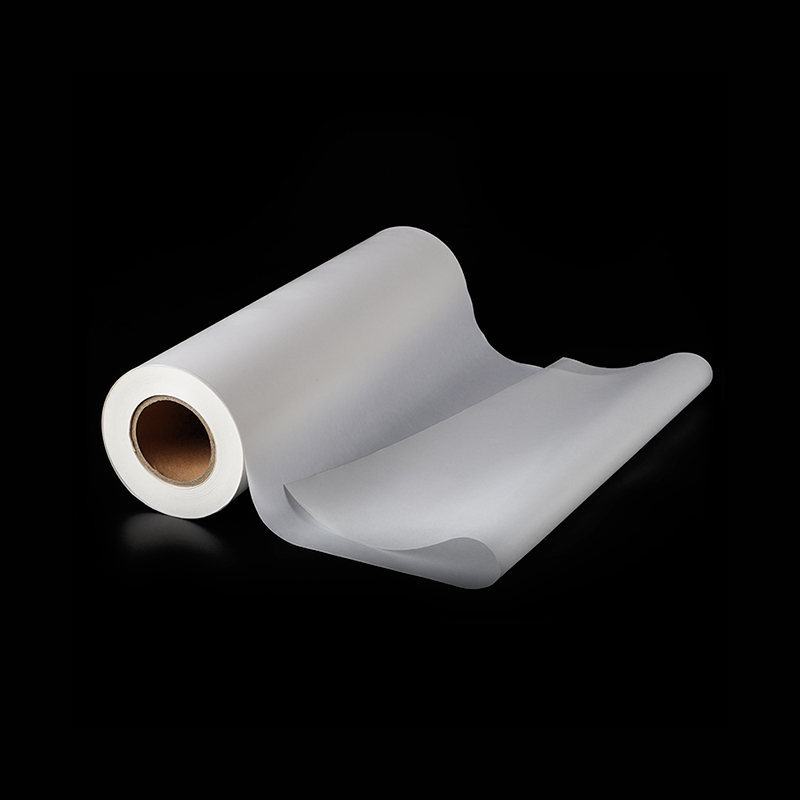
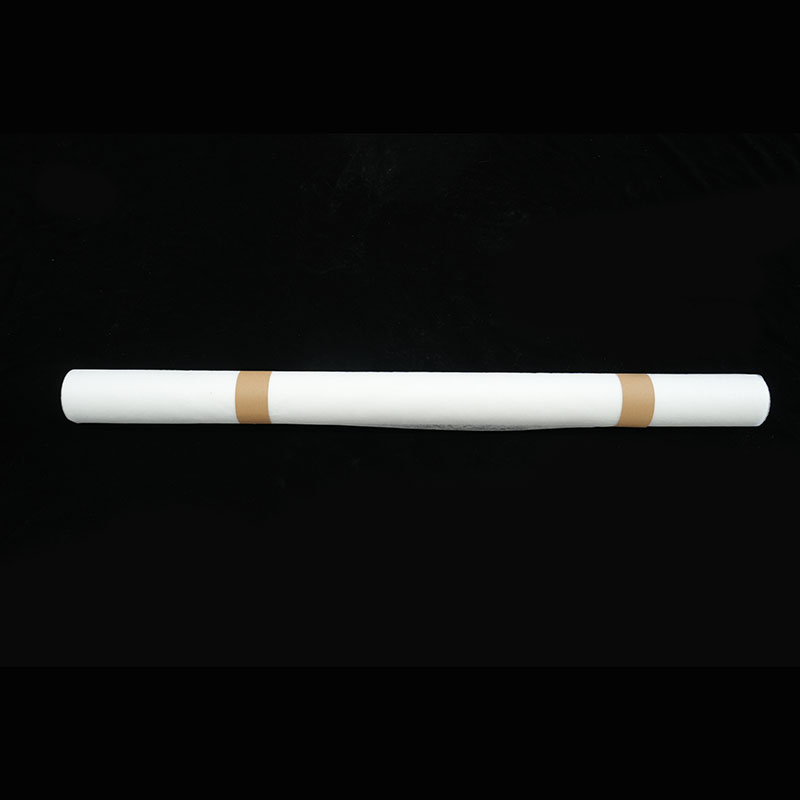
- فيلم لاصق بالذوبان الساخن: ورقة مستمرة وموحدة يتم قطعها أو قطعها بالشكل الدقيق للجزء. يوفر الفيلم تحكمًا دقيقًا في السُمك وخطوط ربط نظيفة، ولهذا السبب يتم استخدامه على نطاق واسع في الإلكترونيات وتصفيح المرشح والألواح الزخرفية. أحد الأمثلة العملية هو طبقة لاصقة تذوب بالحرارة PES مع ورق تغليف
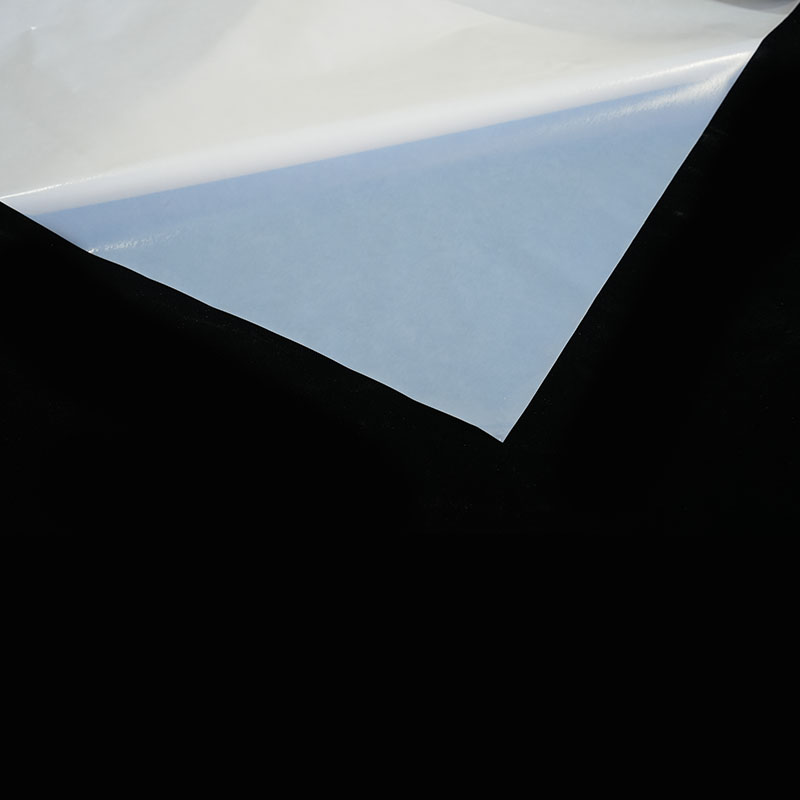 الجملة PES الفيلم اللاصق بالذوبان الساخن مع مورد ورق التغليف والمصنع Nantong Feiang Composite Materials Co., Ltd. هي فيلم لاصق تذوب ساخن PES في الصين مع الشركة المصنعة للورق الداعم وتبيع PES hot me بالجملة... عرض المنتج → مما يبسط التعامل أثناء الوضع اليدوي والضغط الحراري.
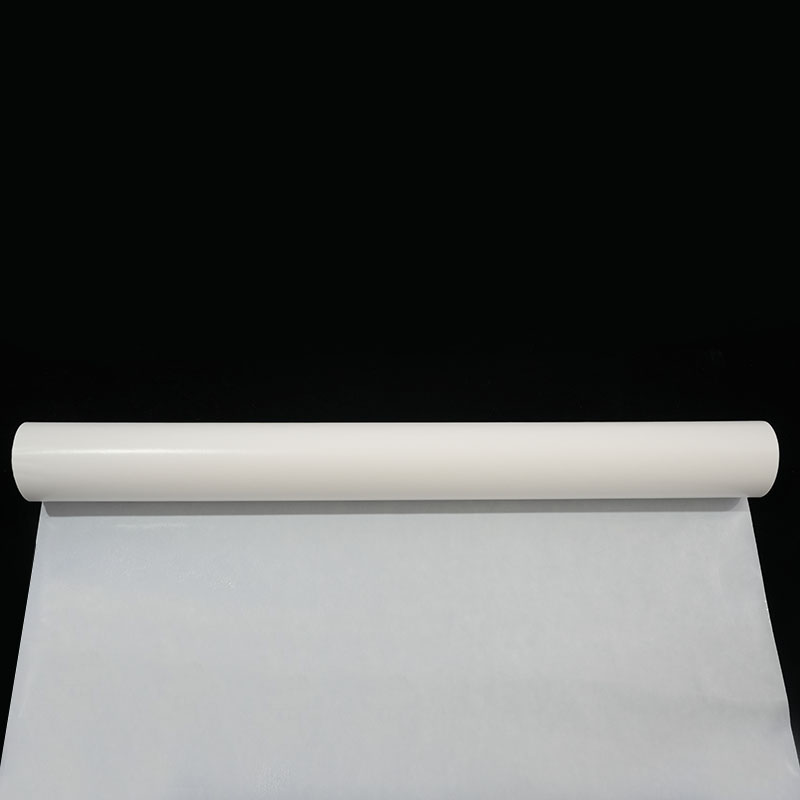
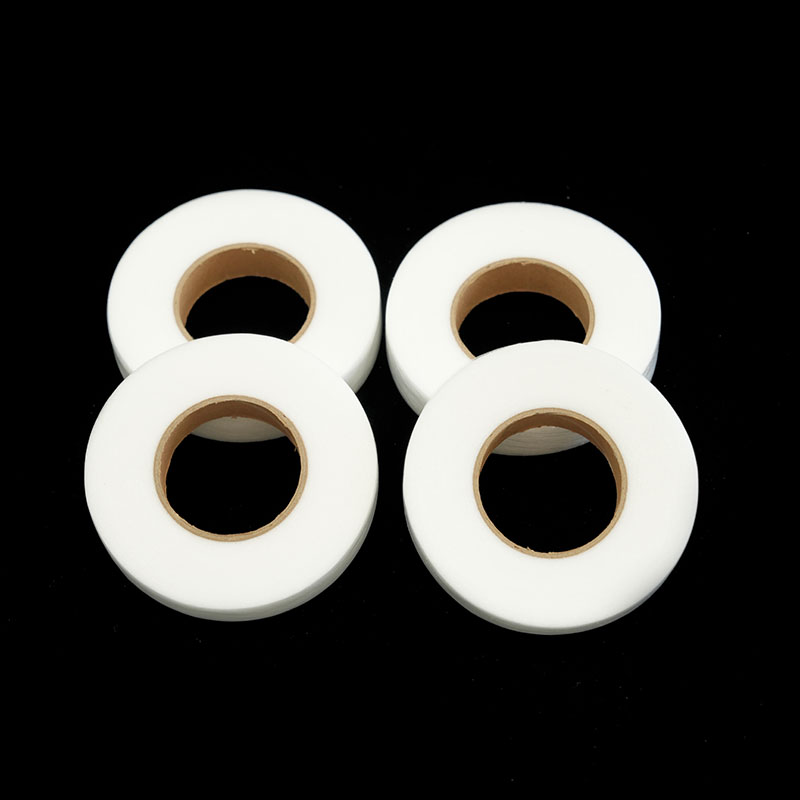
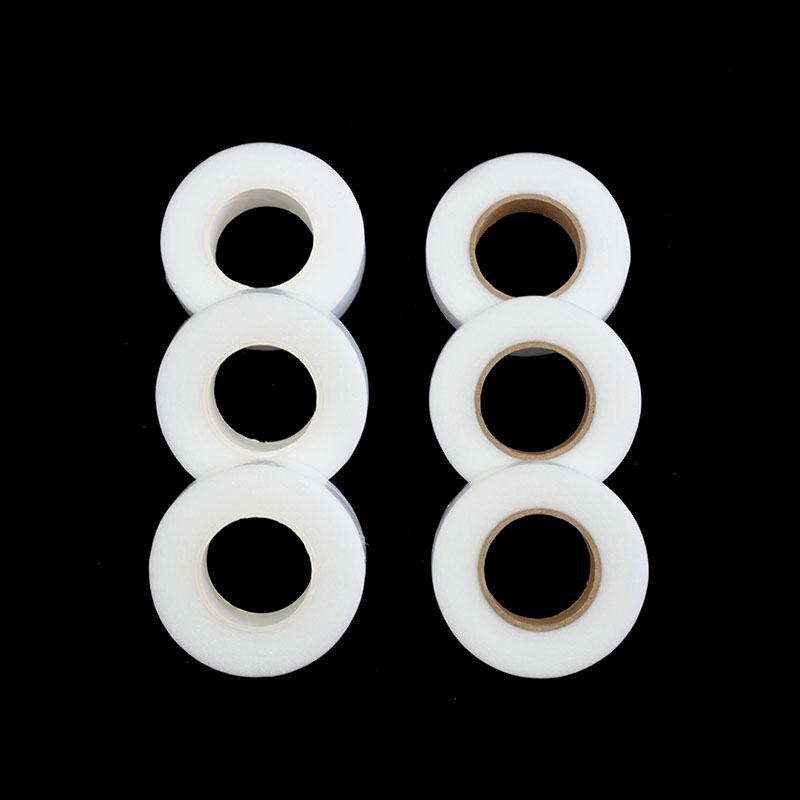
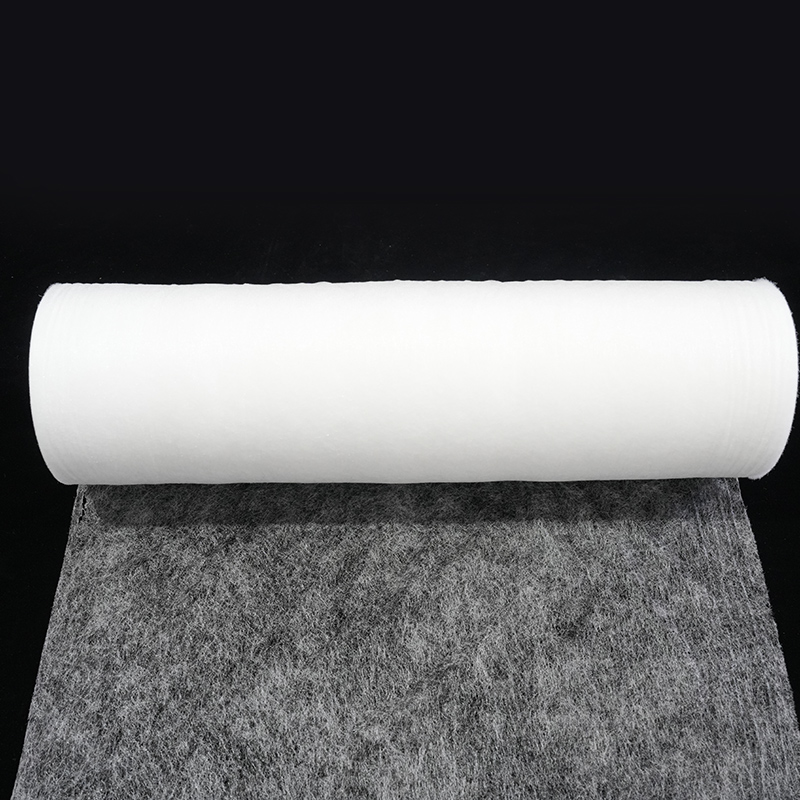
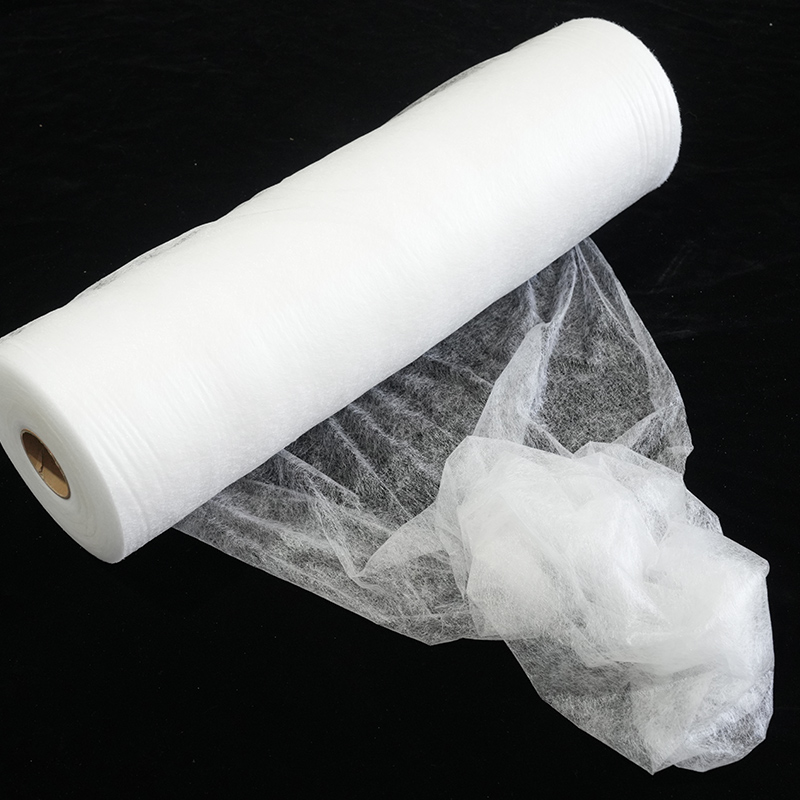
 - شبكة لاصقة تذوب الساخنة: هيكل غير منسوج مسامي يشبه الشبكة يسمح للهواء بالهروب أثناء التصفيح. يعتبر الويب مثاليًا لربط الأقمشة والرغوة والجلود على مساحة كبيرة، ويستخدم بشكل شائع في الملابس والديكورات الداخلية للسيارة والجزء العلوي من الأحذية. للترقق بكميات كبيرة، أ شبكة لاصقة تذوب بالحرارة PA على شكل لفة كاملة
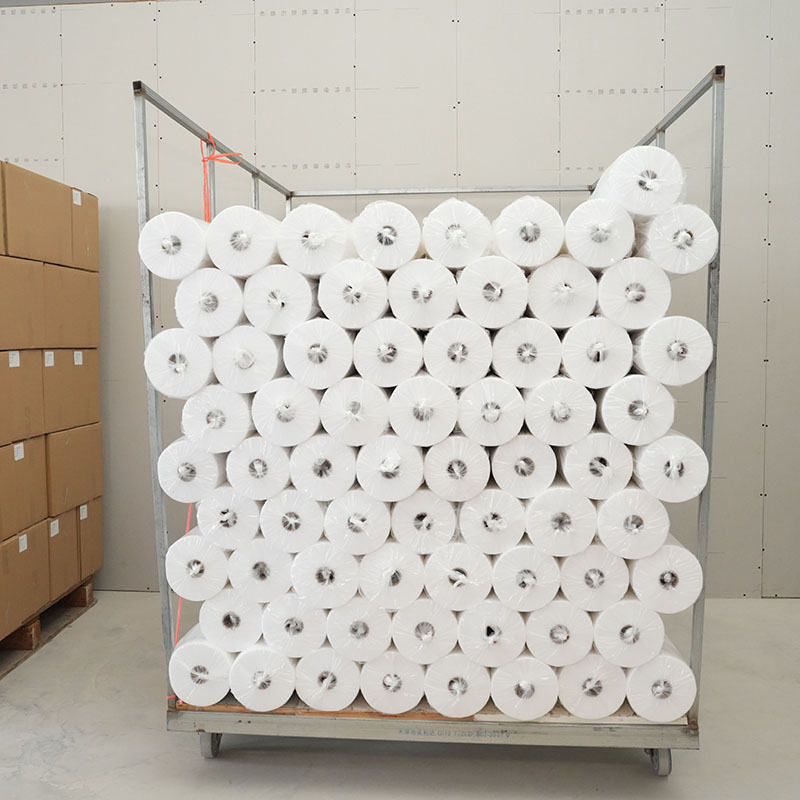 لفة كاملة من مورد الويب اللاصق المذاب بالحرارة PA، المصنع Nantong Feiang Composite Materials Co., Ltd. هي الشركة المصنعة للويب الصيني للمادة اللاصقة المذوبة بالحرارة PA وتبيع لفة كاملة من المادة اللاصقة PA بالجملة. عرض المنتج → يمكن تغذيتها مباشرة في معدات تصفيح الأسطوانة بأقل قدر من النفايات.
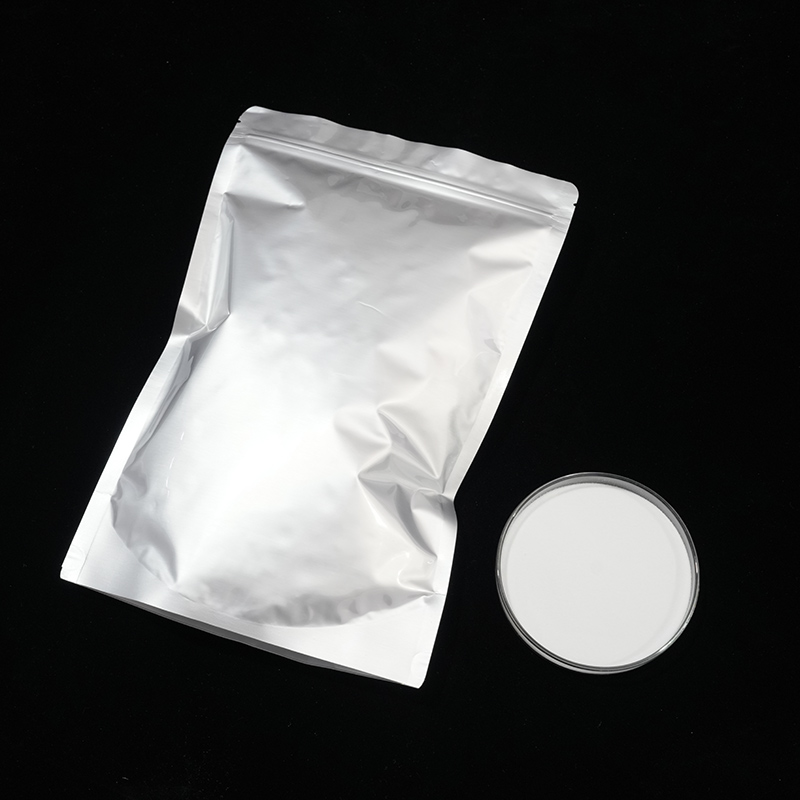
 - مسحوق لاصق يذوب بالحرارة: جسيمات دقيقة يمكن رشها أو نثرها أو تلبيدها على الركيزة. يوفر المسحوق تغطية مرنة ويشتهر بالبطانات الداخلية القابلة للانصهار والترابط غير المنسوج وتدفق المنسوجات. أ مسحوق لاصق يذوب بالحرارة من مادة TPU
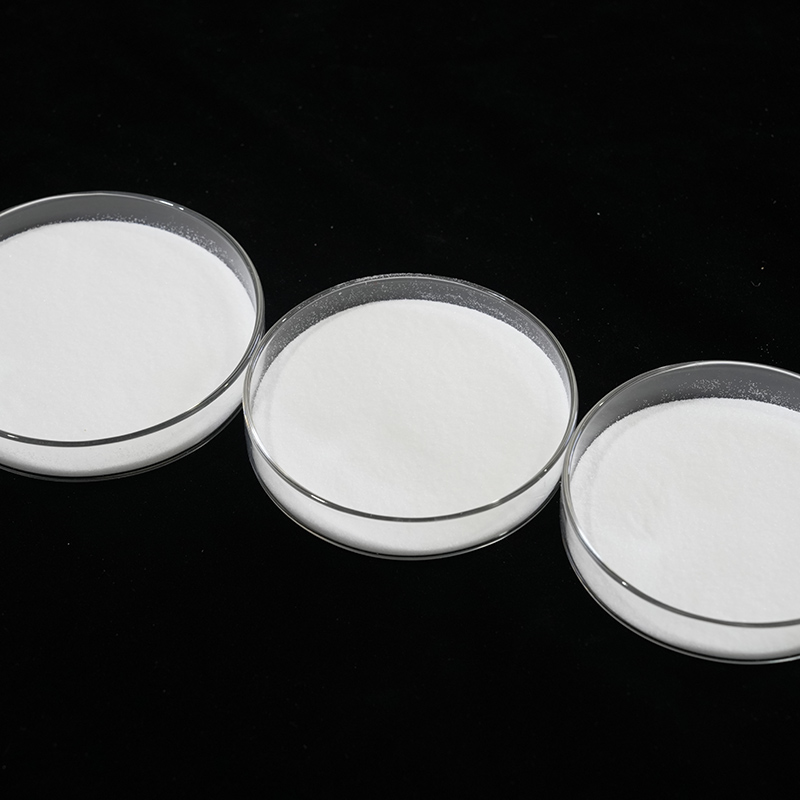 الجملة مسحوق اللصق بالذوبان الساخن TPU المورد والمصنع شركة Nantong Feiang Composite Materials Co., Ltd. هي الشركة الصينية المصنعة لمسحوق المادة اللاصقة المذوبة بالحرارة TPU وتبيع بالجملة مسحوق المادة اللاصقة المذوبة بالحرارة TPU... عرض المنتج → على سبيل المثال، توفر طبقات مرنة تتحمل الغسيل المتكرر، وهو متطلب أساسي في الملابس الرياضية والملابس الداخلية.
 - الحبيبات والكريات: المواد الخام السائبة لخزانات الذوبان الساخن، أو الطاردات، أو بنادق الرش. الحبيبات هي الشكل الأكثر اقتصادا عندما يكون لديك بالفعل معدات الجرعات أو الصهر في الموقع.
مزايا وقيود المواد اللاصقة المذوبة بالحرارة
تعد سرعة المواد اللاصقة المذوبة بالحرارة وطبيعتها الخالية من المذيبات من أعظم نقاط قوتها، ولكن طابعها البلاستيكي الحراري يخلق أيضًا قيودًا حقيقية حول مقاومة الحرارة وإعداد الركيزة.
- الإعداد السريع: تصل الروابط عادةً إلى قوة التعامل خلال 1 إلى 10 ثوانٍ، مما يتيح سرعات عالية للخط.
- خالية من المذيبات والمركبات العضوية المتطايرة المنخفضة: تركيبات صلبة 100% تقضي على أفران التجفيف وأنظمة استعادة المذيبات ومعظم المخاوف المتعلقة بجودة الهواء.
- سد الفجوة بشكل جيد: يمكن للمادة اللاصقة المنصهرة أن تملأ الأسطح غير المستوية وتمتص الاهتزازات.
- عكسها: يمكن في كثير من الأحيان إعادة تسخين السندات وإعادة صياغتها، مما يبسط عمليات الإصلاح وإعادة التدوير.
- مقاومة الحرارة المحدودة: معظم HMAs تلين عند درجة حرارة أعلى من 70-120 درجة مئوية، لذا فهي ليست مثالية للخدمة المستمرة في درجات الحرارة العالية.
- حساسية السطح: قد تتطلب المواد البلاستيكية ذات الطاقة السطحية المنخفضة مثل البولي بروبيلين والبولي إيثيلين معالجة سطحية.
- خطر التدهور الحراري: يمكن أن يؤدي التسخين المطول في خزان الصهر إلى تحلل البوليمر، لذا فإن التحكم في درجة الحرارة أمر مهم.
كيفية اختيار المادة اللاصقة المذوبة بالحرارة المناسبة
ابدأ بمتطلبات الاستخدام النهائي، وليس اسم المنتج. حدد درجة حرارة الخدمة والركائز وعملية الإنتاج أولاً، ثم حدد البوليمر الأساسي والشكل المناسب.
- تحديد الركائز. ترتبط المواد القطبية مثل الخشب والقطن والنايلون والمعادن بشكل جيد مع EVA وPA وPES. تحتاج المواد البلاستيكية غير القطبية مثل PP وPE إلى مادة TPU أو معالجة سطحية لتحقيق التصاق موثوق.
- تحديد بيئة الخدمة. إذا كان الجزء المربوط سيواجه الغسيل، أو الأشعة فوق البنفسجية الخارجية، أو درجات حرارة أعلى من 80 درجة مئوية، فاختر PA، أو PES، أو TPU بدلاً من EVA.
- مطابقة النموذج للعملية. استخدم الفيلم للقطع الدقيق بالقالب، والشبكة لتصفيح مساحة كبيرة، والمسحوق للطلاء المبعثر، والحبيبات لتطبيق الخزانات أو أنظمة الرش.
- تحقق من وقت الفتح وضبط الوقت. يتحكم نوع الراتينج ومحتوى الشمع في مدة بقاء المادة اللاصقة لزجة. يساعد وقت الفتح الأطول في إعادة تحديد الموضع ولكنه يبطئ الخط.
- التحقق من خلال التجارب. قم دائمًا بإجراء اختبار التقشير أو القص على ركائز الإنتاج الفعلية قبل الالتزام بالطلب الكامل، لأن عوامل تشطيب السطح والتحرير يمكن أن تغير قوة الرابطة بشكل كبير.
في التطبيقات الصعبة مثل تصنيع السلع الجلدية ، حتى أن المواد اللاصقة المذوبة بالحرارة قد حلت محل الخياطة التقليدية في بعض التجميعات، مما يوضح مدى تأثير اختيار المواد على تصميم المنتج.
الأسئلة المتداولة
ما هي درجة الحرارة التي تذوب فيها المادة اللاصقة المذوبة بالحرارة؟
تلين معظم المواد اللاصقة المذوبة بالحرارة بين 80 درجة مئوية و180 درجة مئوية. تتدفق تركيبات EVA ذات درجة الحرارة المنخفضة حوالي 80-110 درجة مئوية، بينما تتطلب درجات PA وPES درجات حرارة معالجة أعلى. تعتمد القيمة الدقيقة على نوع البوليمر والشموع الموجودة في التركيبة.
هل المادة اللاصقة المذابة بالحرارة مقاومة للماء؟
معظم المواد اللاصقة المذابة بالحرارة مقاومة للماء ولكنها ليست مقاومة للماء بشكل كامل، لأن الرابطة البلاستيكية الحرارية يمكن أن تلين في الماء الساخن أو تحت التعرض للرطوبة لفترة طويلة. توفر درجات TPU وPES أفضل مقاومة للغسيل والرطوبة.
هل يمكن أن تذوب المادة اللاصقة الساخنة البلاستيك؟
نعم، ولكن النتيجة تعتمد على الطاقة السطحية للبلاستيك. يترابط النايلون وABS والأكريليك والبولي كربونات بشكل جيد. يحتاج البولي بروبيلين والبولي إيثيلين إلى معالجة بالإكليل أو البلازما، أو مادة HMA المعتمدة على مادة TPU المصممة خصيصًا لتحقيق التصاق دائم.
هل المادة اللاصقة المذوبة بالحرارة سامة؟
تعتبر المواد اللاصقة المذوبة بالحرارة آمنة بشكل عام عند استخدامها بشكل صحيح. فهي خالية من المذيبات وتنتج الحد الأدنى من الأبخرة، على الرغم من أنه لا يزال يوصى بالتهوية عند المعالجة في درجات حرارة عالية. تتوفر درجات تغليف المواد الغذائية والتركيبات الآمنة للبشرة للتطبيقات المنظمة.
كم من الوقت يستغرق وضع المادة اللاصقة المذوبة بالحرارة؟
يتراوح وقت الفتح عادةً من بضع ثوانٍ إلى عدة دقائق، وعادةً ما يتم الوصول إلى قوة التعامل خلال 1 إلى 10 ثوانٍ بعد ضغط الركيزتين معًا. يعتمد ضبط الوقت على درجة حرارة المادة اللاصقة، والتوصيل الحراري للركيزة، ودرجة الحرارة المحيطة.
الخط السفلي
المادة اللاصقة المذوبة بالحرارة عبارة عن محلول ربط لدن بالحرارة سريع الإعداد وخالي من المذيبات ومتوفر في كيمياء EVA وPA وPES وTPU والبولي أوليفين، ولكل منها خصائصها الخاصة في مقاومة الحرارة والمرونة والالتصاق. إن اختيار النوع المناسب يعني مطابقة البوليمر الأساسي والشكل المادي مع الركائز ودرجة حرارة الخدمة وخط الإنتاج. بفضل ما يزيد عن ست سنوات من الخبرة في التركيب والاختبار الداخلي، يمكن لمصنع متخصص للمواد الذائبة الساخنة مساعدتك في مقارنة خيارات الأفلام والويب والمساحيق وإجراء تجارب واقعية قبل الالتزام بتشغيل الإنتاج الكامل.


اتصل بنا